Bazzana's Leadoff Power Signals Guardians' Early-Inning Aggression
By Erik Schwartz ·
Cleveland's rookie is now hitting .357 in first-inning at-bats, transforming the leadoff spot from a spark-plug role into a run-production engine.
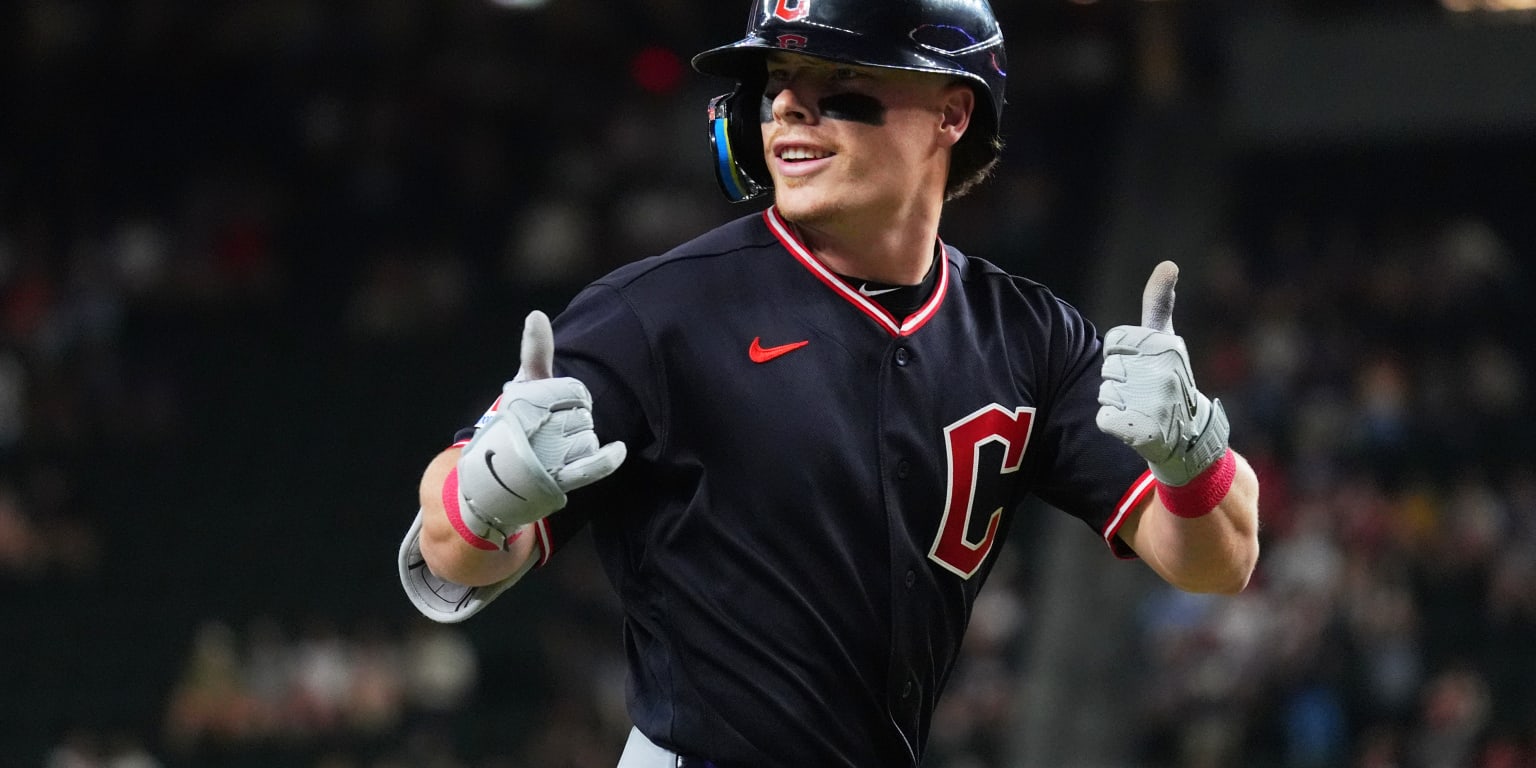
Travis Bazzana launched a 95.4 mph sinker from Kumar Rocker 99.1 mph off the bat and into the right-field seats Friday night, marking his first leadoff home run as a professional. The blast came in the series opener against Texas and handed Cleveland an immediate 1-0 lead—a small moment that distills what's happening in the Guardians' top of the order.
Bazzana moved into the leadoff spot on May 23, a tactical shift born from Steven Kwan's sluggish start to the season. The 2024 first overall pick has seized the opportunity with uncommon aggression. Over 11 games in the role, he's batting .317 (13-for-41) with sustained power production. More telling: in first-inning plate appearances, he's now hitting .357 with a 1.000 OPS—a rate that dwarfs both his season average and the baseline expectation for a leadoff hitter.
That first-inning spike matters operationally. The leadoff spot traditionally calls for on-base ability and speed; teams want a runner in motion to create pressure. Bazzana isn't built for that mold. He's a power hitter learning to coexist with the leadoff role, and instead of suppressing that skill set, the Guardians are letting him hunt. Early-count fastballs in the first—when opposing pitchers feel less pressure and throw harder stuff—are landing in seats.
The prop implication pivots on persistence. A .357/.1.000 OPS rate in a small sample (11 games, roughly 40-45 first-inning at-bats) can sustain if driven by a genuine tactical advantage: pitchers grooved fastballs early, Bazzana's fastball recognition has sharpened, or Cleveland's front office has weaponized early-at-bat scouting. But it can also evaporate if opposing pitchers adjust their pitch sequencing or lower their first-inning fastball percentage. For bettors, the near-term angle tracks Bazzana's first-inning home run prop—currently likely underpriced relative to his .357 average and power-on-fastballs profile in that frame. Once books recalibrate to his 1.000 first-inning OPS, that edge compresses.