Ohtani Pitches Through Knee Inflammation, But Dodgers Bench Him as Hitter
By PropBetEdge Editorial Team ·
A managed compromise between star power and injury caution reshapes the Dodgers' lineup construction and Ohtani's two-way workload for Wednesday's series finale.
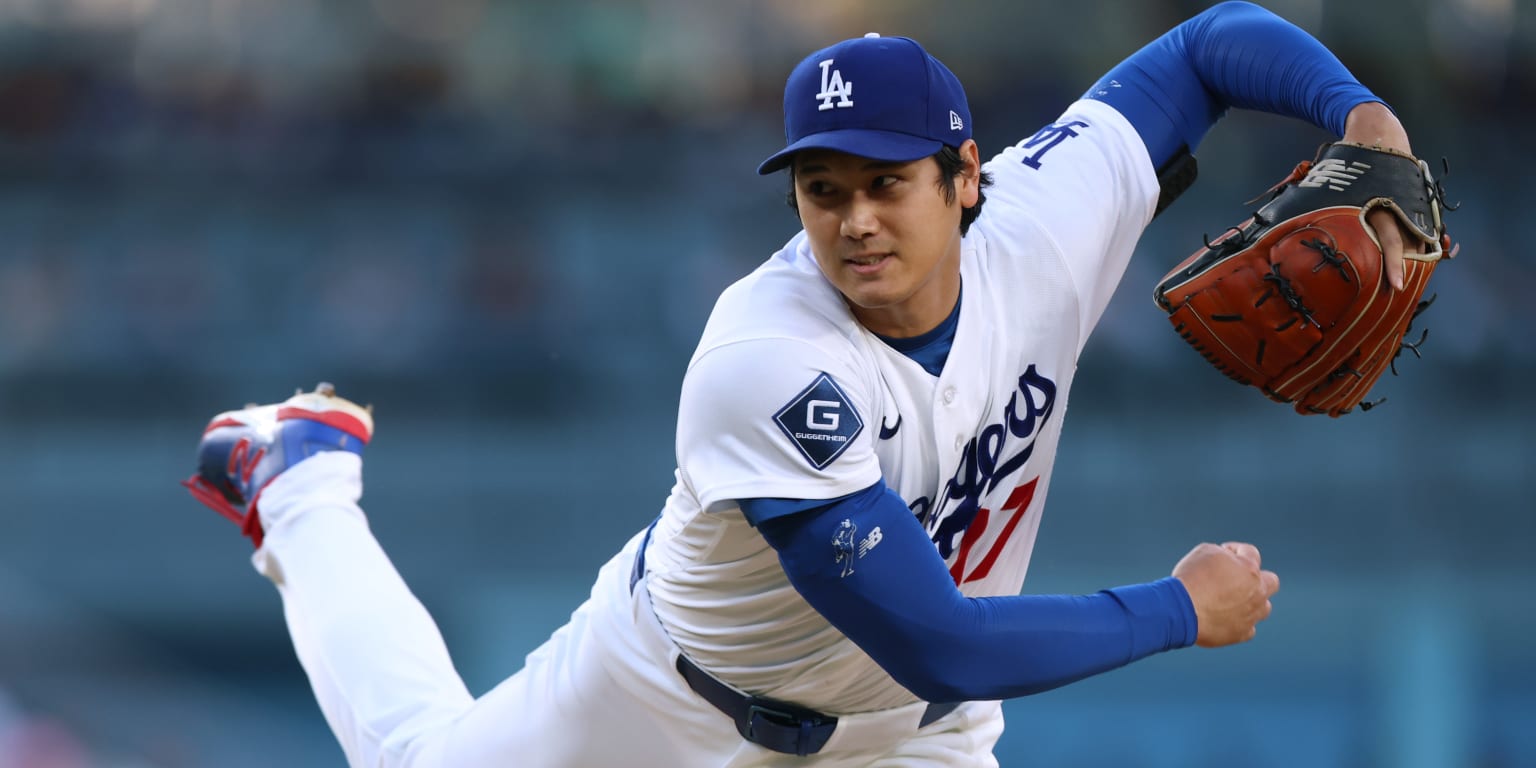
Shohei Ohtani will start on the mound for the Dodgers on Wednesday afternoon against Tampa Bay, six days after left knee inflammation forced him to exit a game in Pittsburgh. The swelling has subsided since the initial flare-up, and Ohtani cleared a light bullpen session on Tuesday. But Los Angeles is drawing a hard line: he will not bat. The decision strips away the two-way flexibility that makes Ohtani historically valuable while acknowledging that pitching mechanics—not hitting—likely triggered the knee issue in the first place.
Ohtani's own assessment points to a mechanical breakdown on the mound. He told the team through an interpreter that his pitching mechanics felt compromised during his last start, a six-plus-inning outing against Pittsburgh where he surrendered four runs and raised his ERA to 1.06, still the best mark among qualified starters. The knee flared the following day. Over five subsequent days of catch play, a light bullpen, and rest, the inflammation subsided enough for manager Dave Roberts to greenlight the start. Roberts framed the decision as cautious confidence: the swelling has cleared, Ohtani has progressed through his activation, and the pitcher himself believes he'll be fine. The calculus is straightforward—Ohtani as a pitcher is replaceable in the batting order; Ohtani as a 1.06-ERA starter is not.
What complicates the picture is that Ohtani is also one of baseball's premier hitters. Yanking him from the lineup to preserve a starting pitcher, even one pitching at historic efficiency, is the kind of decision that would normally trigger organizational hand-wringing. But the mechanism here—that pitching mechanics, not batting, caused the injury—gives the Dodgers operational cover. If the injury had originated from a swing or lateral movement while running bases, you'd see significantly more caution about his start date. The mechanical diagnosis is actually a bullish signal for his availability: a pitcher whose mechanics misfired can sharpen up and return. That's what the next five days of rest and preparation are for.
For bettors, the Dodgers' DH swap for Wednesday introduces a clean operational variable. Los Angeles loses not just Ohtani's bat but also the certainty of his protection in the order; whoever fills his spot won't command the same pitcher respect. The team total for the Dodgers likely moved downward at the books after the benching was announced, pricing in the loss of offensive production. But that move may have overcorrected if Ohtani's start is genuinely healthy and his ERA trend continues to hold. A dominant pitching performance Wednesday—which the mechanics narrative supports—could keep the total from cratering despite the lineup gap. Watch whether Ohtani's strikeout rate sustains near his season pace; if his knee genuinely required no compensatory mechanics changes, his K prop should behave normally.
The deeper angle is velocity and spin consistency. If Ohtani is pitching through minor inflammation, his fastball velocity or command could show micro-degradation even if he completes his start cleanly. Monitor his first-inning fastball velocity against the book's expectation for his K line. A 1–2 mph drop in velocity, undetectable to casual observers, would typically correlate with 0.5–1.2 fewer strikeouts per start in the aggregate data. The market hasn't yet priced in the mechanical reset Ohtani needs, so early-action books may overshoot his strikeout total. The Rays' lineup is not a strikeout-prone group (they rank 18th in K rate against RHP), but Ohtani's elite stuff has taxed them historically. An edge exists on the K prop if his velocity is intact and the market hasn't recalibrated for a first-start-back scenario.