Ohtani's All-Star Coronation Signals Peak Offensive Form—And a Betting Edge on Dodgers Lineup Depth
By PropBetEdge Editorial Team ·
Six weeks before the All-Star Game, Ohtani's top-vote finish arrives as the Dodgers' offense—and their run-production props—hit their stride.
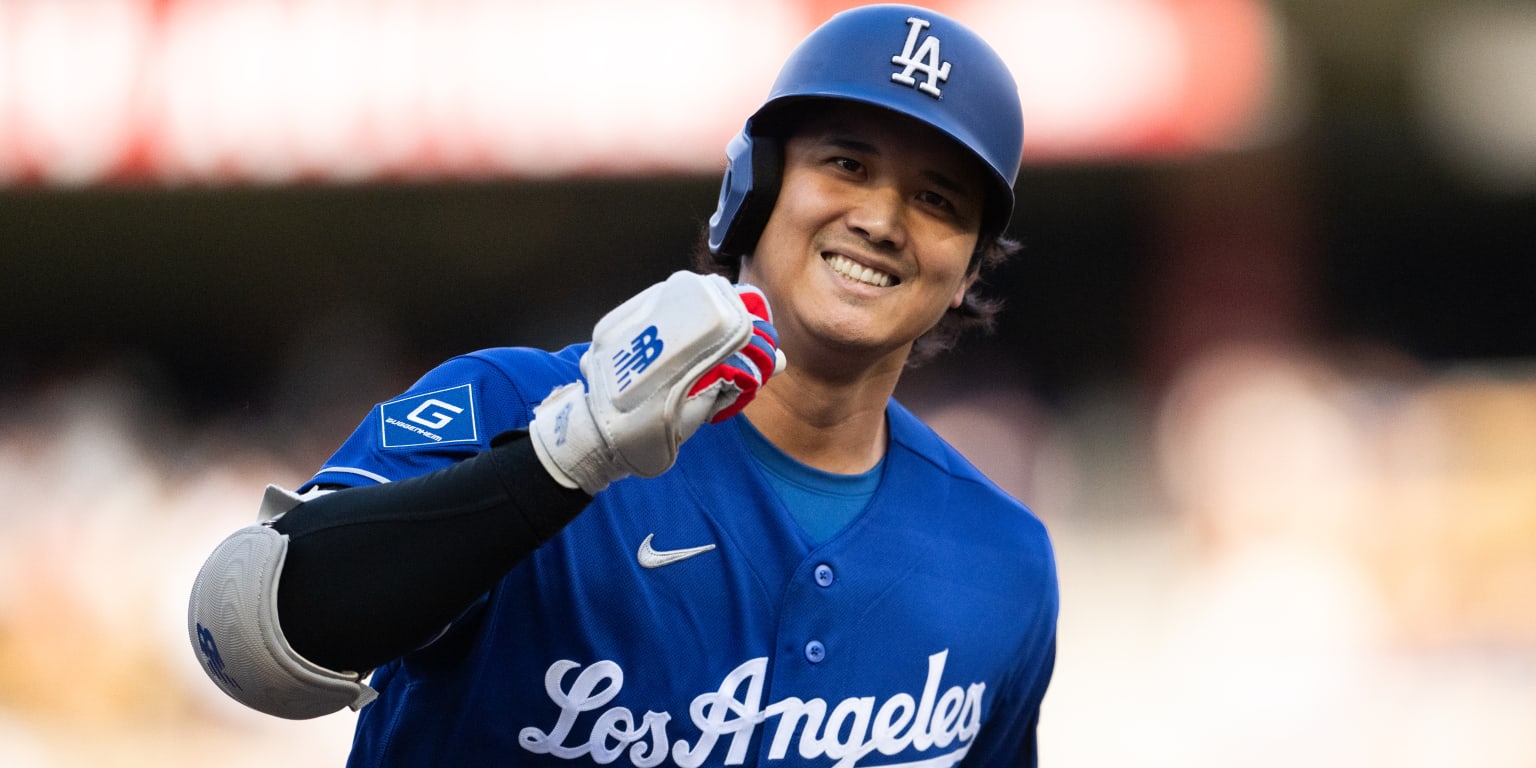
Shohei Ohtani was named the National League's starting designated hitter for the July 14 All-Star Game after commanding the first voting phase with 3.3 million votes, the highest total across both leagues. This marks his sixth consecutive All-Star selection and the first time he's led all of baseball in the primary phase of voting—a distinction that underscores a narrative shift in Los Angeles that extends well beyond individual accolades.
The timing matters more than the honor itself. Ohtani entered the season in search of consistency at the plate after a measured first month, but he's now posting a .963 OPS with a .295/.414/.549 slash line and 17 home runs. That 1.58 ERA on the mound—second-best among pitchers with 50+ innings—turns him into a legitimate two-way threat for the All-Star rosters being finalized over the next week. But the real story is Los Angeles's offensive ecosystem. Six Dodgers advanced to Phase 2 voting: Will Smith, Freddie Freeman, Max Muncy, Mookie Betts, Andy Pages, and Teoscar Hernández. Manager Dave Roberts will guide the NL squad for a second straight year. That's not just depth; it's a statement about the Dodgers' construction.
For betting purposes, Ohtani's emergence as the consensus vote-leader codifies something the market may have been slow to price: Los Angeles's lineup is operating at full capacity, and production is flowing from multiple vectors. Ohtani's 17 homers lead the team, but Freeman and Muncy provide secondary power anchors. Betts remains an on-base machine. Smith behind the plate elevates run-scoring opportunities. When a franchise produces this much offensive talent across a single card, team totals and game totals against sub-standard pitching become vulnerable to undervaluation—especially in home games at Dodger Stadium, where the park factor favors power production. The Dodgers' rank among qualified NL teams in runs scored will likely track higher over the final 17 weeks of the regular season as Ohtani's comfort in the lineup compounds.
The All-Star break itself arrives in exactly 18 days (July 14). Any Dodgers-favorable prop angles built on lineup health and offensive momentum should be exploited now, before the break interrupts rhythm and the second half brings lineup fatigue or deadline roster churn. Ohtani's All-Star nod signals management's confidence in continuity; it's an internal valuation that the core will remain intact. Take overs on Dodgers team totals in the 4.5–5.5 range against middle-tier NL pitching over the next two weeks, before All-Star balloting closes on June 30 and the break begins its cooling effect on regular-season betting edges.