Ohtani's Mechanical Reset Against Minnesota Tests Durability Over Dominance
By Erik Schwartz ·
A knee inflammation and finger blister have exposed chinks in baseball's most reliable arm; Wednesday's matchup with the Twins will clarify whether the issues are cosmetic or structural.
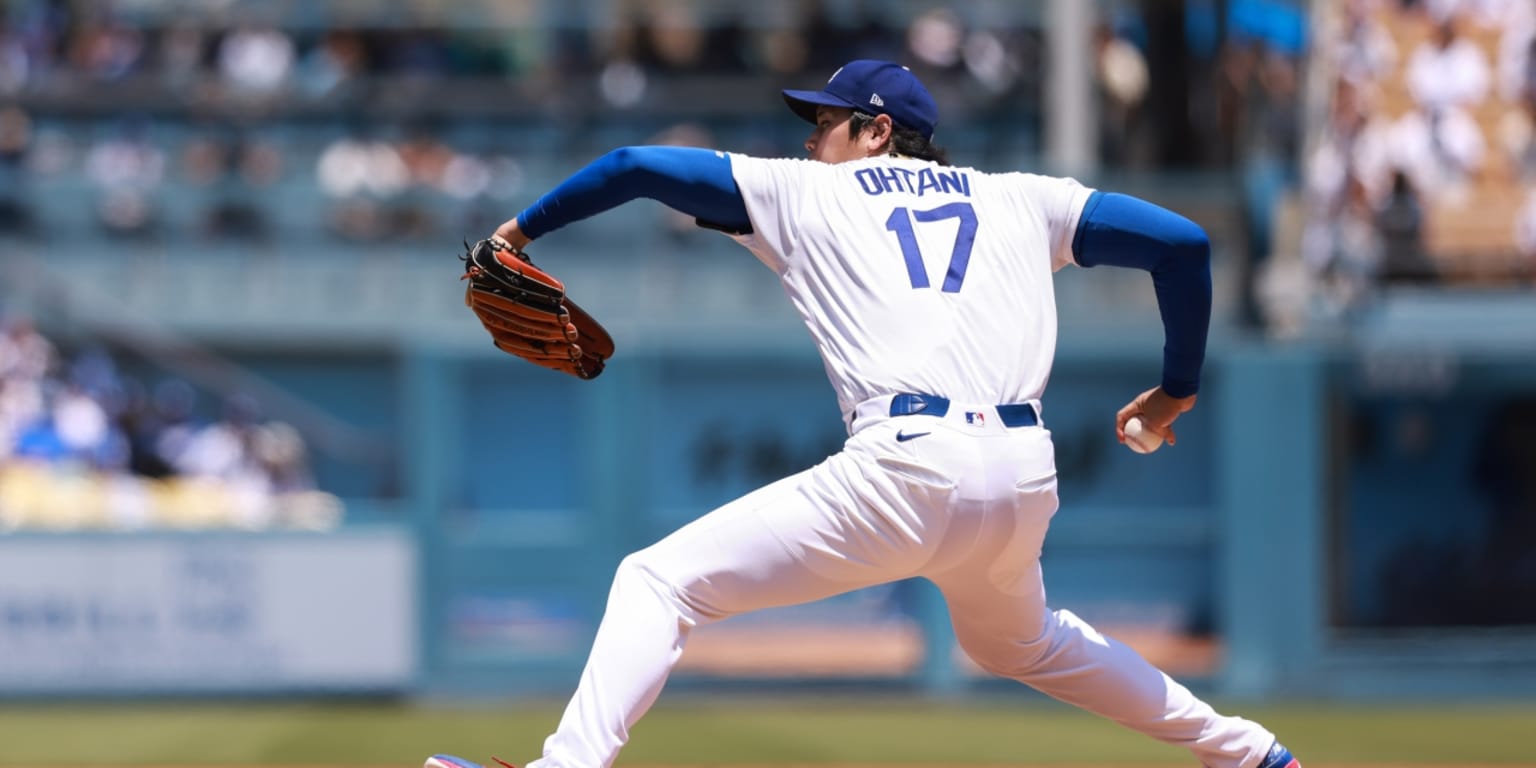
Shohei Ohtani takes the mound at Target Field on Wednesday night carrying the weight of an unfamiliar label: unreliable. Through his first ten starts of 2026, the Dodgers' right-hander allowed five earned runs total—a baseline so pristine it redefined what dominance looks like in real time. Then came June 10 against Pittsburgh and June 17 against Tampa Bay, a two-start window that fractured the narrative. He surrendered seven earned runs across those outings, with the Rays game featuring a season-worst four runs in a single frame. For context, that's as many earned runs as he'd yielded across his prior 67 innings.
But the performance dip tells only half the story. Ohtani navigated the Pirates start while managing left knee inflammation that may have subtly altered his release point and follow-through. Four days later, mid-start against Tampa Bay, a blister on his right middle finger—the controlling digit on his breaking ball—aggravated during a 26-pitch fifth inning. Neither injury is catastrophic on its surface. Both are manageable with rest and tape. Yet their convergence in adjacent starts raises a mechanical question the market hasn't fully priced: Is Ohtani's recent control collapse (walk rate jumped to 3.8 per nine innings in those two games versus 1.9 prior) a temporary byproduct of pain-altered mechanics, or a sign that the knee issue runs deeper than the team publicly stated?
Wednesday's opponent, Twins right-hander Joe Ryan, presents a useful data point but not a favorable one for oddsmakers banking on regression. Ryan was scratched Tuesday with illness and pushed back to Wednesday—a 24-hour delay that actually helps him more than Ohtani, as an extra day of rest neutralizes any advantage the Dodgers might have extracted from facing a fatigued arm. More importantly, Ohtani has faced Ryan five times as a hitter and managed just one hit, suggesting no platoon advantage exists in the other direction. The Twins' defense is middle-of-the-pack by most measures; they won't mask mechanical sloppiness.
For bettors, the operative question isn't whether Ohtani returns to his first-ten-starts form—that's a false binary. The real edge lies in the strikeout prop and total innings pitched. If the knee inflammation persists and his mechanics remain compromised, his fastball velocity will dip, his command will stay erratic, and strikeout rate will compress. Ohtani's K/9 rate through 10 starts was 11.7; in his last two outings it's dropped to 9.2. That's not random variance—that's a mechanical signal. Oddsmakers may have already adjusted his strikeout line downward slightly, but they may not have fully internalized the gap between a "physically healthy Ohtani" line and a "Ohtani pitching through inflammation" line. If his knee is genuinely resolved, take the over on strikeout props. If soreness lingers—and Wednesday's performance will tell you immediately, within the first two innings—the under carries material value through his next 2-3 starts.
The pitch-count management also matters. The Pirates outing required 102 pitches for 6 2/3 innings; the Rays game featured that costly 26-pitch fifth. If Ohtani's mechanics are still off, look for him to hit 90+ pitches by the fifth inning again, signaling an early exit and an under lean on team total runs. The Dodgers' bullpen behind him has been solid but is not a straight upgrade to healthy Ohtani innings. That's a structural prop angle that persists beyond this single start.