Ohtani Stays on Track for Friday Start as Workload Management Enters Critical Phase
By Ty Whitney ·
A biceps tweak and accumulated fatigue threaten Ohtani's final pre-All-Star pitching appearance, but the Dodgers remain committed to letting him take the ball against Arizona.
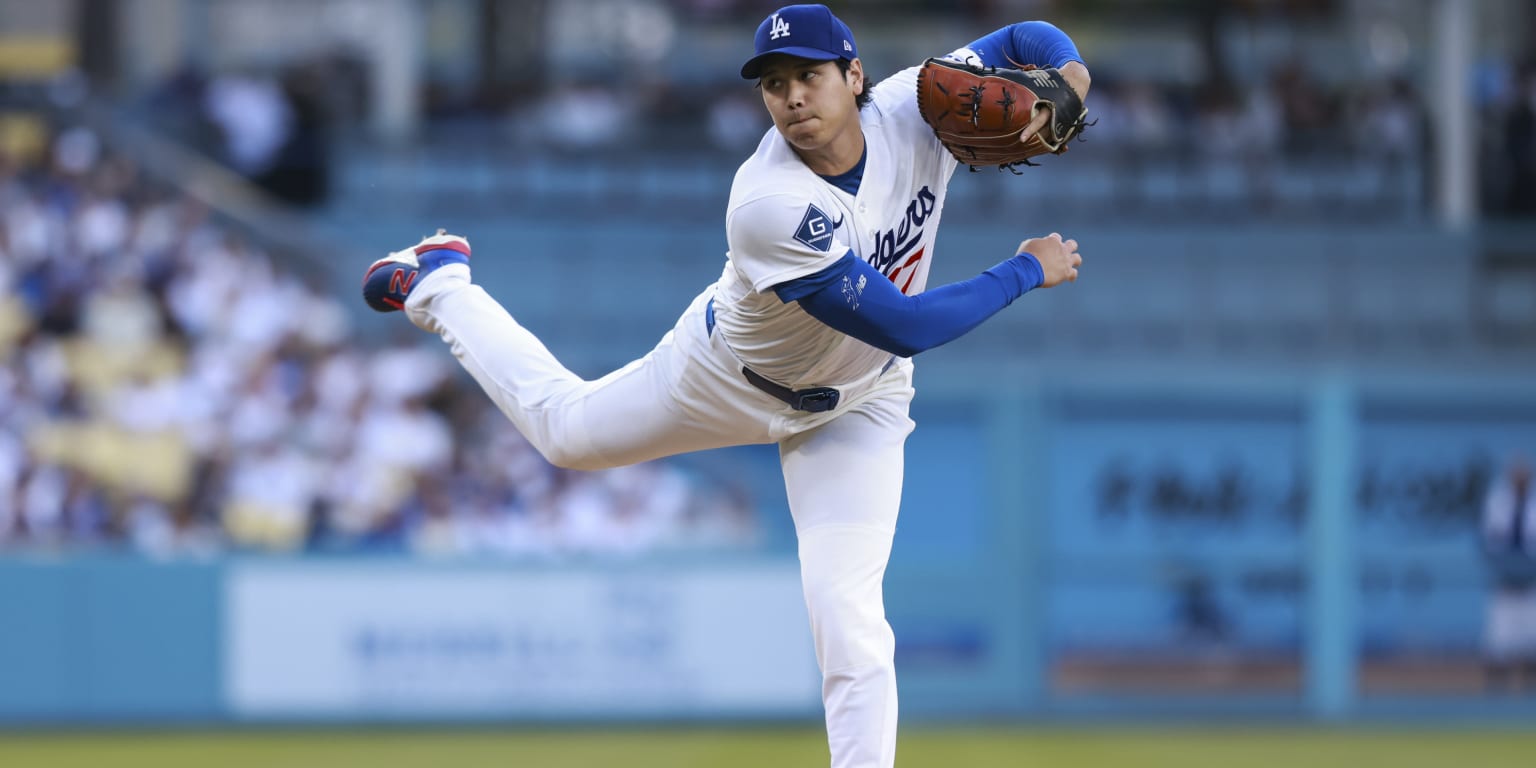
Shohei Ohtani will make his final first-half pitching start Friday night against the D-backs at Dodger Stadium, manager Dave Roberts confirmed Tuesday, despite a right biceps issue that surfaced during his last two-way outing. The injury itself proved minor—Ohtani felt it only while hitting and recovered within days—but it arrives amid a month-long accumulation of smaller physical concerns: lingering left knee soreness, a right hand blister, and the sheer metabolic toll of operating as a full two-way player for the first time since 2023. Roberts left the door open for a pivot if Ohtani's condition deteriorates over the next 48 hours, but signaled no intention to bench him absent a clear regression.
The timing matters. The All-Star break arrives in one week, and Ohtani will participate as the National League's starting DH in the Midsummer Classic on July 14. Roberts ruled out his appearance in the Home Run Derby and any All-Star Game pitching duties, preserving the break as a genuine reset window. That said, a player of Ohtani's profile doesn't get to fully sit; the competitive obligation and spotlight gravitational pull make complete rest impossible. The real question is what condition he arrives at the break in—and Friday's start against Arizona becomes a referendum on whether he can still pitch deep into games.
Ohtani's early-season performance set a historically high bar. He entered the weekend sitting 8-2 with a 1.79 ERA, ranking second league-wide among qualified starters behind only Jacob Misiorowski (1.69 ERA). But the underlying trajectory has flattened. Through his first 10 starts, Ohtani allowed seven runs across 61 innings; in his most recent four outings, he's been tagged for 14 runs (12 earned) over 24⅔ innings. Quality starts have kept the damage contained—the Dodgers won three of those four games—but Roberts noted the sharp decline in efficiency. Against San Diego last Friday, Ohtani struck out nine but needed six innings just to allow three runs, falling short of the depth Roberts expected from a pitcher of his caliber. Fatigue, not declining talent, appears to be the culprit, but the distinction doesn't matter if he can't execute when it counts.
The prop angle centers on strikeout expectations and innings pitched. Ohtani's K-rate remains elite—9 strikeouts in six innings last time—but the innings ceiling has contracted as his physical issues accumulate. He hasn't pitched beyond six innings in any of his last four starts. Against Arizona, he holds a favorable history: six scoreless innings with five hits allowed in an earlier Chase Field meeting, a performance that suggests the matchup itself tilts in his favor. However, the blister, knee soreness, and accumulated workload create downside volatility that a market pricing him based on early-season form hasn't fully absorbed. Over 5.5 innings, Ohtani's strikeout rate (9.2 per nine) should deliver value on the under if the Dodgers yank him early—a scenario growing likelier as the break approaches and Los Angeles prioritizes his availability for the second half over maximizing first-half win-totals.
The real edge lies in fading the projection that assumes a return to his earlier depth and efficiency. Ohtani will pitch Friday; that's locked in. But he won't look like the 1.79-ERA ace who worked 61 innings through ten starts. The All-Star break and physical wear have rewritten the expectation. Any line priced as if this is a routine Ohtani outing—strikeout totals set as if he's getting seven clean innings—misses the structural shift in how the Dodgers are managing him down the stretch into the break.