Ohtani's Efficiency Paradox: Dominant Result, Control Concerns
By Ty Whitney ·
A leadoff home run and six no-hit innings masked control issues that signal volatility ahead for Dodgers pitching props.
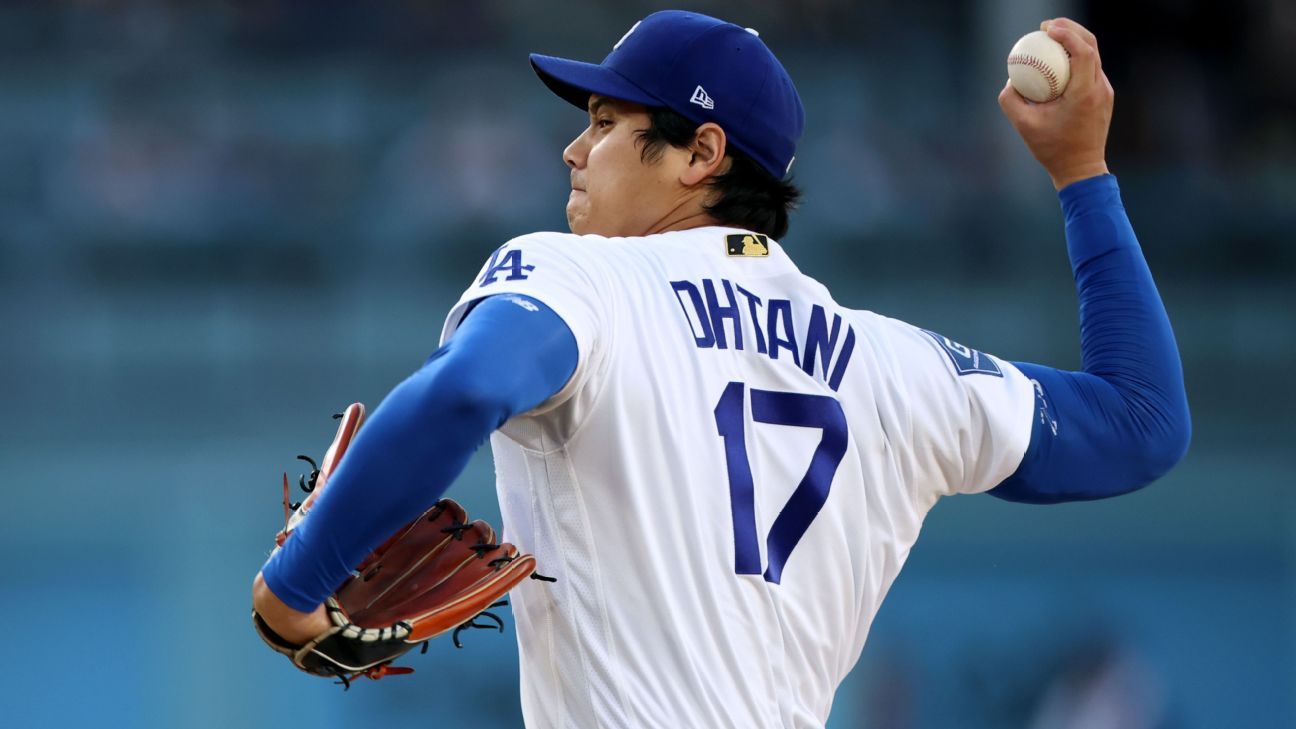
Shohei Ohtani threw six scoreless innings Wednesday against Colorado, ceding just one hit after relievers finished off a near-combined no-hitter. The line sheet looks pristine: one run allowed, 0.82 ERA. But Ohtani's own assessment after the Dodgers' 4-1 win exposed the friction beneath the surface—four walks and a hit batsman on a 56.6% strike rate, his second-lowest of the season.
This is the second consecutive start where Ohtani has delivered a clean result while internally flagging control as a problem. Seven days earlier against San Diego, he threw five scoreless innings with similar walk volume and a matching strike-rate dip, then griped about his feel for the baseball. The outcome each time obscures the mechanism: when Ohtani's command erodes, he's leaning on stuff alone to survive. Against weaker offenses like Colorado, that works. Against playoff-caliber lineups with patience, it doesn't.
Dave Roberts drew a comparison to Clayton Kershaw—suggesting Ohtani shares that obsessive perfectionism—but the betting market hasn't internalized the warning flags embedded in these performances. A 56.6% strike rate isn't sustainable, and the walk rate will eventually find runs once Ohtani faces an opponent that can punish the free passes. His ERA sits at 0.82; regression isn't coming because of randomness, it's coming because control issues are a mechanical problem, not noise.
For prop players, this creates a layering opportunity. Ohtani's next start carries elevated over risk on strikeouts (fewer strikes in the zone means fewer swings and misses), and any team total under for the Dodgers should be viewed cautiously—his dominance is masking the fact that he's pitching on thinner margins than his numbers suggest. The near no-hitter was a result, not a process. Lean against the pitching efficiency props that assume Wednesday's control profile repeats.