Ober's 89-Pitch Shutout Rewrites the Velocity Script—and What It Means for Twins Pitching Lines
By Ty Whitney ·
Bailey Ober threw a complete-game shutout on 89 pitches with an 88.8 mph average fastball, the first Maddux by a Twins starter since 2017—a performance that exposes how market pricing still lags behind command-over-velo baseball.
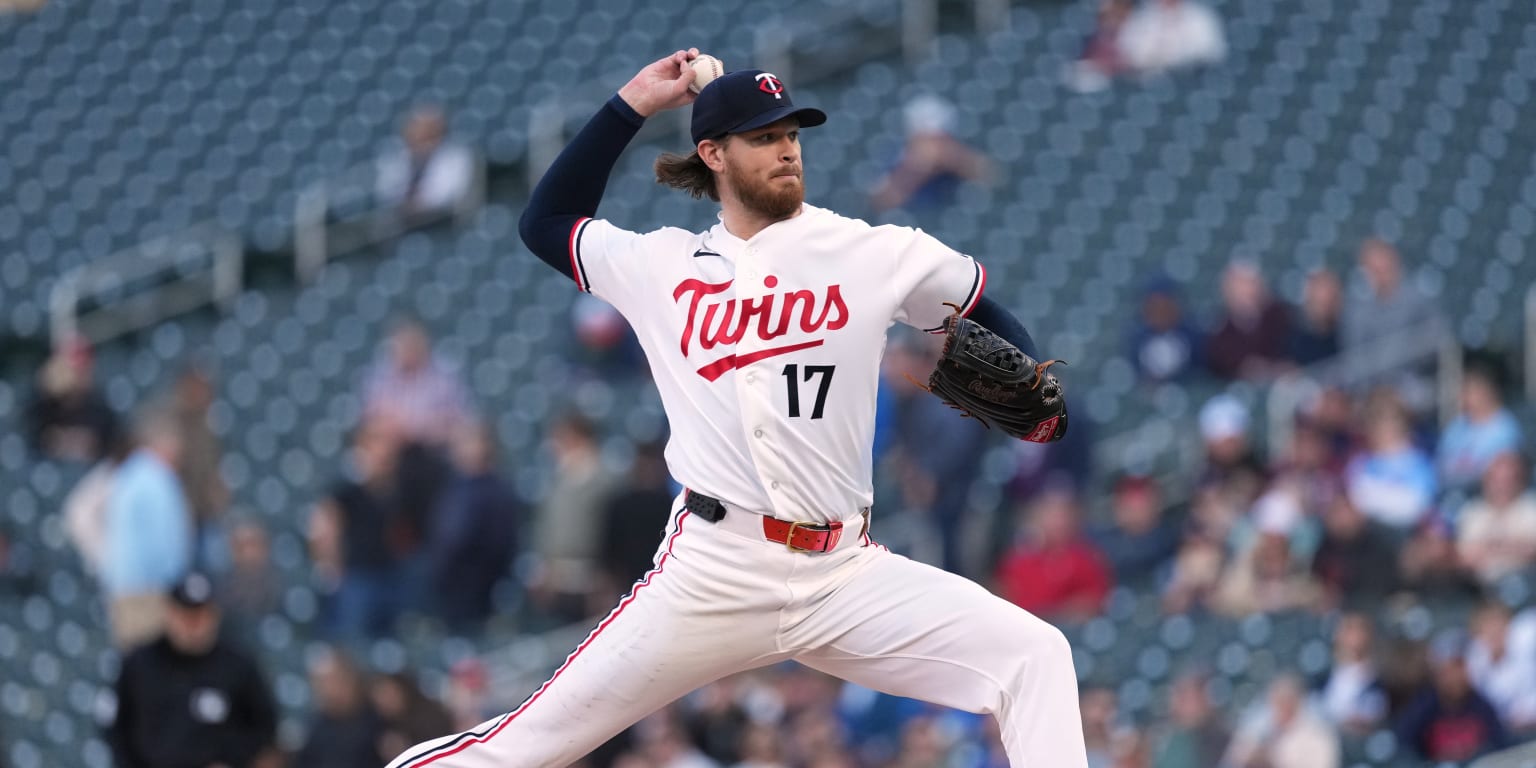
Bailey Ober threw a Maddux on 89 pitches Tuesday night at Target Field, his fastball averaging 88.8 mph, the Twins shutting out Miami 3-0 on two hits and zero walks. It was the first complete-game shutout of his career and the Twins' first Maddux since Ervin Santana's 2017 outing—a relic in an era when velocity is the market's default assessment of pitcher quality. Ober struck out seven, tied for his second-best of the season, and did it by mixing his fastball, changeup, slider, and sweeper with surgical precision. Early-count soft contact and popups dominated the batters' box. The narrative shift here matters: Ober had stumbled in his previous start against Washington, allowing five runs on six hits and two walks. He'd also gone three consecutive starts with three or fewer strikeouts before Tuesday. The conventional read would have been a pitcher in decline, fighting his mechanics. Instead, he produced one of the cleanest outings of the Twins' season.
Manager Derek Shelton credited the work: command "elite," the ability to execute fastballs and off-speed pitches against both handedness, early-count sequencing that generated weak contact. This wasn't a velocity showcase—Ober's fastball sat below 89 mph, a number that would trigger under-the-radar status at most sportsbooks. But the consistency of location, the effectiveness of his changeup against righties, and the slider-sweeper mix created a mathematical impossibility for the Marlins' hitters: no hard contact, no walks, nowhere to land a barrel. Catcher Ryan Jeffers summed it up: "He was just under control. He was executing pitches." The performance parallels Ober's June 22, 2024 complete game against Oakland, also on exactly 89 pitches. In that one, he gave up two home runs. Tuesday, he gave up two hits total.
For prop markets, this creates a timing problem. Ober's strikeout line will likely tick down following a seven-K night that came on the heels of a cold stretch. The market will see the April 19 double-digit strikeout game (10 Ks vs. Cincinnati) as his ceiling, the recent Nationals outing as his floor, and Tuesday as noise—a spot where everything aligned. That's incomplete. What Tuesday revealed is that when Ober's mechanics stabilize, his floor is higher than recent volatility suggested. He's a control pitcher first, a strikeout pitcher second. Against lineups that chase early-count fastballs (as Miami did), he doesn't need 11 strikeouts to dominate. Six or seven strikeouts with a 3-0 scoreline is the more reliable outcome profile. The Twins' bullpen also didn't pitch, a cascading value signal: teams that trust their starter to go nine innings in a blowout context reduce reliever workload, which creates downstream edge in the bullpen usage props over the next 24-48 hours.
Where the edge sits: Ober's strikeout line will open or move higher after Tuesday's seven-K game, because that's the surface-level recency anchor. But a 89-pitch shutout on command, not velocity, is a different kind of catalyst. It signals sustainability of the mechanics work, not a one-off performance. His next three-to-five starts should carry lower strikeout volatility than the market prices, because command-driven pitchers generate consistent weak contact regardless of the opponent's walk-up song. If his K line opens at 7.5 or higher in his next start, that's a lean under; the market is pricing a strikeout pitcher when Tuesday proved he's a control pitcher. The distinction carries into team total overs: Twins games where Ober is on the mound and allows two or fewer hits should become small-play over bets on the Twins' team run total in future starts, because low hit-rate performances often correlate with offense-friendly bullpen usage in the latter innings. Tuesday wasn't a fluke. It was Ober's actual ceiling when his mechanics lock.