Brewers' Prospect Standoff at the Deadline: Why the Farm System Is Their Real Defense
By Erik Schwartz ·
Milwaukee's historic season gives them rare leverage to resist overpaying for rentals, but the market for controllable arms keeps climbing.
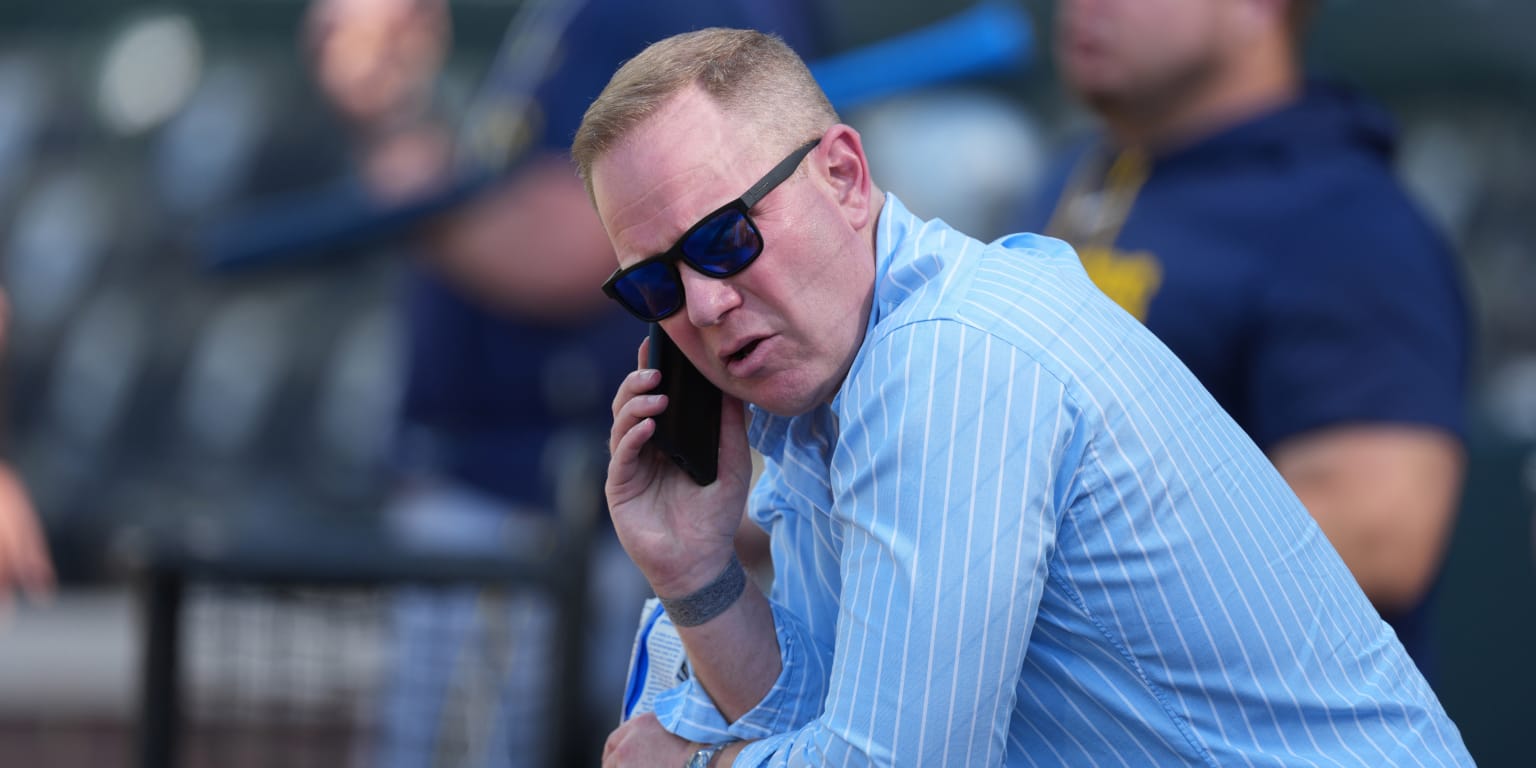
The Brewers arrived at the trade deadline on August 3 with the best record in franchise history and a division lead stretched to 6.5 games over the Cubs—the kind of position that typically makes a front office reach. Instead, Milwaukee is doing the opposite. President of baseball operations Matt Arnold has confirmed the team is "definitely active" in exploring trades, including conversations with Detroit about starter Tarik Skubal and San Diego about closer Mason Miller. But the Brewers have also drawn a clear line: they will not cannibalize their farm system to chase a rental or overpay for a mid-tier starter, no matter how much the fanbase pressures them.
That constraint reflects a strategic fact about the Brewers' construction. Unlike franchises that lean on free agency to reload, Milwaukee stockpiles prospects as their primary path to sustained talent. Their Top 100 system includes shortstop Jesús Made at No. 1 overall, fellow infielder Luis Peña at No. 18, and outfielder Josh Adamczewski at No. 90—all players the front office has told competing teams are off-limits except in extraordinary circumstances. The market is testing that resolve. The Tigers are asking a king's ransom for Skubal, a controllable starter; the Blue Jays' Kevin Gausman, the Mets' Freddy Peralta, and arms like Reid Detmers and José Soriano from the Angels are all generating interest at prices that reflect sellers' awareness that contenders are desperate. The Brewers' counter-message is explicit: our prospects are worth more to us than your rental is to you.
This positioning matters for how the team's remaining 60 games will unfold. Milwaukee's pitching staff will likely enter the stretch without a blockbuster ace acquisition, which means their bullpen depth and starting rotation stability become the operative edges. The offense has carried them this far—the 4-3 win over the Mets on July 23 exemplifies a pattern of close, manageable contests rather than blowouts. That efficiency under pressure is the real quality to project forward. If the Brewers' front office holds firm on prospect valuations and the market doesn't move dramatically, expect continuity in the lineup and a bullpen that skews toward depth acquisitions (mid-relief upgrades, fringe closers) rather than singular star power.
For bettors, the implication is straightforward: Milwaukee's team totals and game spreads should be approached with the assumption that their competitive edge is operational discipline and roster continuity, not last-minute impact talent. The market will likely reprice them upward if they make a surprise splash at the deadline, but that move conflicts with their stated philosophy. Instead, track their performance in close games (which they've shown an ability to win) and view their pitching matchups through a lens of depth and consistency rather than ace superiority. If you're fading the Brewers, the angle isn't "they're missing a star"—it's whether depth pitching and situational offense can sustain a pace over 60 games that has no margin for injury or decline. Their refusal to sacrifice prospects is a bet on their existing roster, not a weakness to exploit.