Nootbaar's Heel Surgery Timeline Shadows Diamondbacks' Playoff Push
By Erik Schwartz ·
A mid-season trade for depth masks a depth concern: the new outfielder won't reach full athleticism until October 2026, compressing his window to impact a Wild Card race.
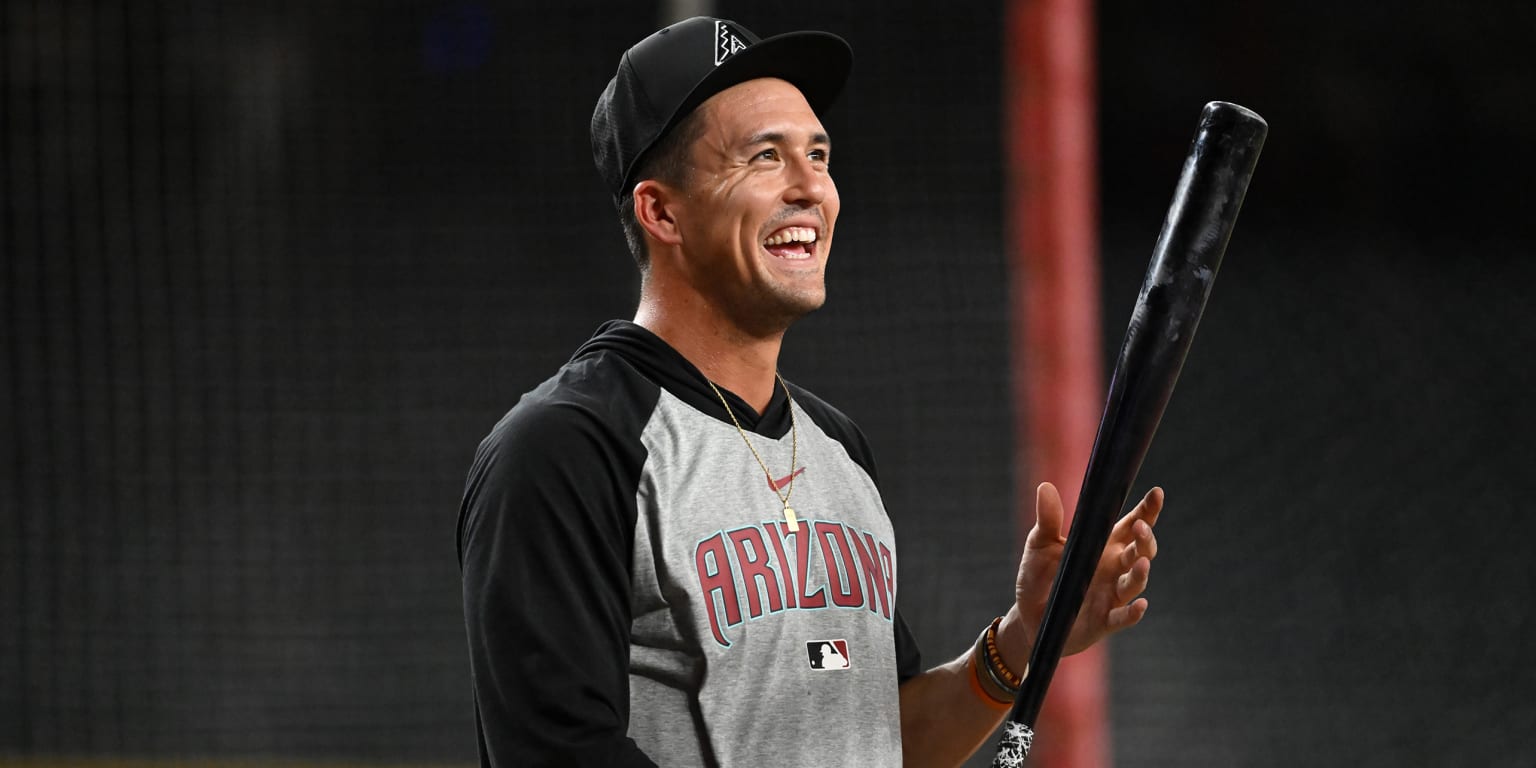
The Diamondbacks acquired Lars Nootbaar from the Cardinals on Monday for two minor-league arms and a player to be named later, positioning the 28-year-old outfielder in left field and designated hitter roles ahead of Tuesday's game against the Padres. On the surface, the move looks sensible—Arizona holds a Wild Card slot with two games clear of San Diego and Miami—and Nootbaar arrives with established chemistry (former Cardinals teammate Nolan Arenado plays third for the D-backs) and regional roots (USC grad, Arizona Fall League alum). The complication sits in his medical file.
Nootbaar underwent bilateral haglund's deformity excision—bone-spur removal from both heels—on October 7, 2025, requiring a lengthy rehab arc that included wheelchair confinement, dual walking boots, and crutches. That's now approximately nine months into recovery. He does not expect to reach full mobility until one year post-op (October 2026), meaning his late-season and playoff ramp remains constrained. Manager Torey Lovullo framed the role diplomatically: Nootbaar will DH initially, transition to left field, and eventually prepare for center-field work, with assistant coach Dave McKay managing the conditioning progression. The language—"get comfortable," "no setbacks," "tracking the gains"—signals the club is managing expectations around his availability and burst capacity through the stretch run.
This is not a trade-deadline reinforcement disguised as depth. Nootbaar's baseline production (career .241 average, .234 this year across 48 games with three homers) sits below replacement level. His value accrues from defensive versatility when healthy and a disciplined pitch-recognition profile that, if the heel deformity has suppressed his ability to drive and accelerate, may not be visible yet in box-score form. The Cardinals shipped him out in part because his on-field contribution didn't justify roster space; Arizona's front office is betting that a new environment, known leadership, and the absence of organizational turnover reverse that trend. The timeline argument cuts the other way: if Nootbaar doesn't recover his athleticism until mid-October, the Diamondbacks are storing a placeholder in an outfield roster slot during their most critical games.
For prop bettors, the angle is not Nootbaar himself—his volume and upside are too constrained to sustain individual player lines—but Arizona's team total and spread exposure. The D-backs entered as a 88-win pace franchise banking on internal growth and deadline acquisitions to push past .500 into postseason contention. Nootbaar's arrival codifies a philosophy: win now with available depth rather than incubate emerging talent. That strategy compresses margin for error. If Arenado or another core positional player sustains injury, the D-backs lack bench depth to absorb it. Conversely, if Nootbaar's heel heals faster than his one-year prognosis and he finds rhythm in mid-August and September, Arizona gains a legitimate fourth outfielder and pinch-hit option entering October. The smart market move is to monitor Arizona's team totals week-to-week: if Nootbaar's first two weeks yield positive sample (consistent AB, minimal DL activity), overs on D-backs run line and team total tighten; if he shows hesitation in left field or needs repeat IL stints, unders gain value. The edge is not on his individual stat line but on how his presence or absence reshapes the team's ability to protect its Wild Card seat.
The narrative around Nootbaar—"perfect fit," homecoming, chemistry with Arenado—is emotionally coherent and operationally reasonable. The medical reality—not at full strength until October—is a constraint that will define how much this trade moves the needle. Arizona's front office is threading a needle: add depth without sacrificing positional flexibility, and hope the outfielder's recovery trajectory accelerates under new surroundings. For now, Nootbaar is a low-volume bench piece with high contextual uncertainty. Treat any prop spike tied to his arrival as a correction opportunity, not a forecast.