Orioles Lock in Booth at Slot Value, Signal Long-Term Outfield Rebuild
By PropBetEdge Editorial Team ·
Baltimore's aggressive draft strategy under Mike Elias continues to prioritize elite athleticism in the outfield, with the 18-year-old speedster now signed and heading into the system.
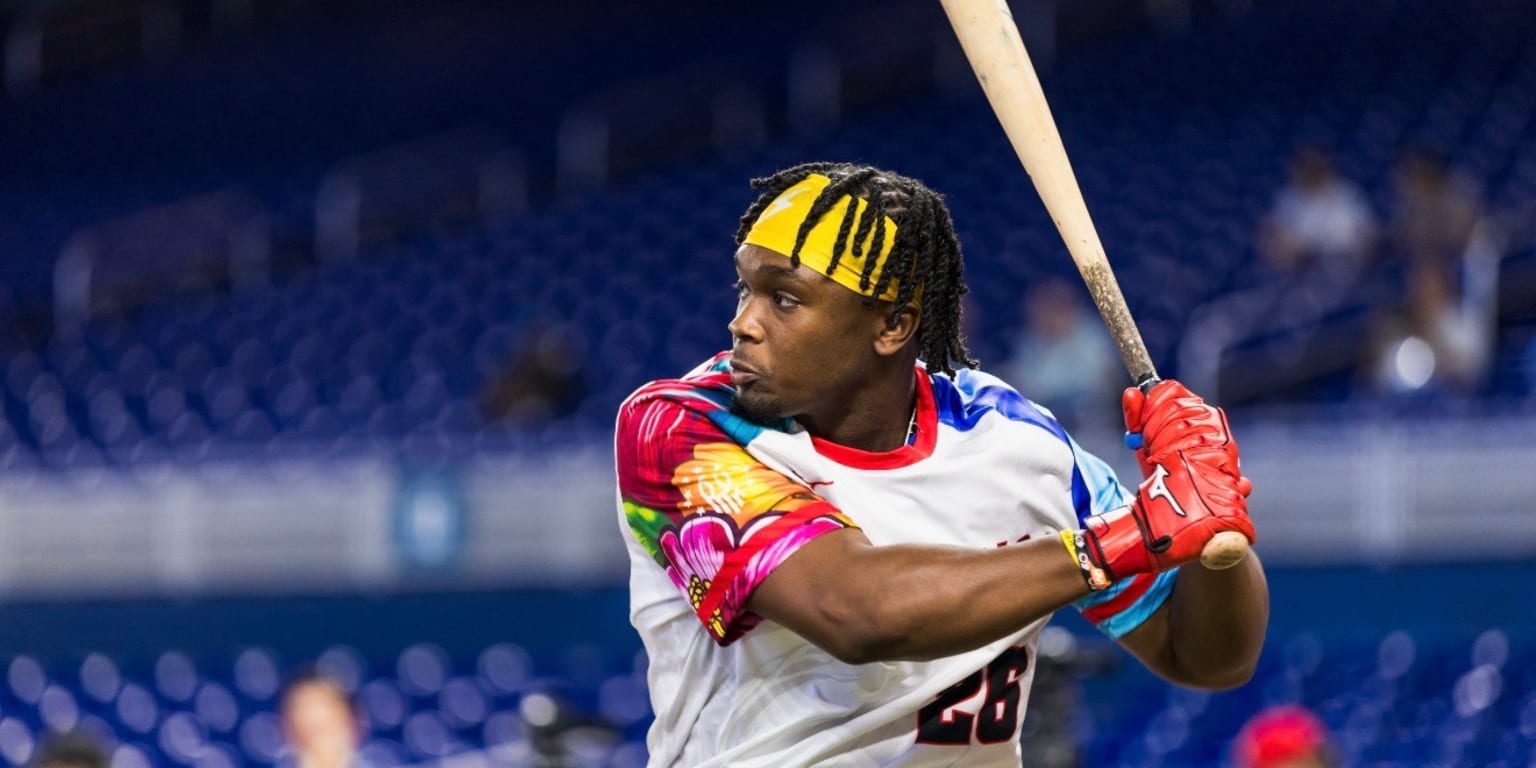
The Orioles signed Eric Booth Jr., their No. 7 overall pick from this year's draft, for $7,324,700—just $2,500 under slot value. The decision to meet full compensation signals Baltimore's confidence in the prospect and its willingness to invest in the upper tier of its international bonus pool. Booth, an 18-year-old left-handed hitter from Oak Grove, Mississippi, was the top-ranked outfielder in the 2026 class and carries rare elite athleticism: a 70-grade run tool, the fastest recorded at the draft. His four-year high school slash line of .441/.612/.803 reflects both plate discipline and raw power, and Vanderbilt's loss is now Baltimore's development challenge.
What's notable about Booth's addition is the Orioles' institutional commitment to outfield development. This marks the sixth consecutive draft—seven of the last eight—where Baltimore used its top pick on an outfielder. Under president of baseball operations Mike Elias, this isn't accidental. The team is systematically building depth and speed at the position, betting that elite athleticism, even when unrefined at the high school level, compounds over a multi-year development window. Booth joins a cohort of recent Orioles outfield prospects working through the minors, all selected with similar athletic profiles: elite speed, plus raw tools, and years of refinement ahead.
Booths signing bonus ranks third in franchise history behind Jackson Holliday (2022) and Adley Rutschman (2019). Both of those prospects have since materialized into major league impact—Rutschman is a Rookie of the Year candidate and cleanup hitter; Holliday is a core position player. The Orioles' track record on premium outfield picks, however, is less clean. That historical variance matters for projection: elite speed and power tools age well, but the probability of any individual high schooler becoming a plus major league producer hovers around 15-20% league-wide. Booth's combination—top athleticism, strong amateur hit tool, plus power—pushes his ceiling higher than average, but the risk profile remains high.
For prop bettors, the impact is indirect but real. Young positional prospect signings don't drive immediate market movement, but they do signal organizational resource allocation and confidence. The Orioles' outfield-heavy draft strategy over the past seven years suggests the front office believes either current major league outfield depth is temporary, or internal development will outpace external acquisition. If Booth and his peer prospects accelerate toward major league readiness over the next 2-3 seasons, the Orioles' projected outfield makeup could shift materially. That shapes long-term team total and win projections. For now, Booth is a future piece; his presence doesn't alter 2026 or 2027 betting lines. But organizations that deploy draft capital with this consistency and tier-one compensation are often the same ones that construct deeper, more resilient rosters in three to five years. The Orioles' draft philosophy is increasingly readable, and prospect capital concentration is a leading indicator of future payroll flexibility and lineup construction.
Booths $7.3 million bonus sits near the league's standard premium allocation, a vote of confidence rather than a discount gamble. The organization is betting that his elite run tool and left-handed power stroke compound faster than the typical high school prospect. Whether that works out depends entirely on development variables beyond the Orioles' control—coaching, injury avoidance, hitting instruction progression. For bettors, the story isn't Booth himself yet; it's the Orioles' systematic bet on a particular type of prospect and the organizational depth it implies.