Mason Miller's Closer Role in Limbo as Padres' Collapse Deepens
By PropBetEdge Editorial Team ·
San Diego's All-Star closer is underused in a losing streak, raising questions about deployment strategy and what happens when your best reliever can't rescue a sinking team.
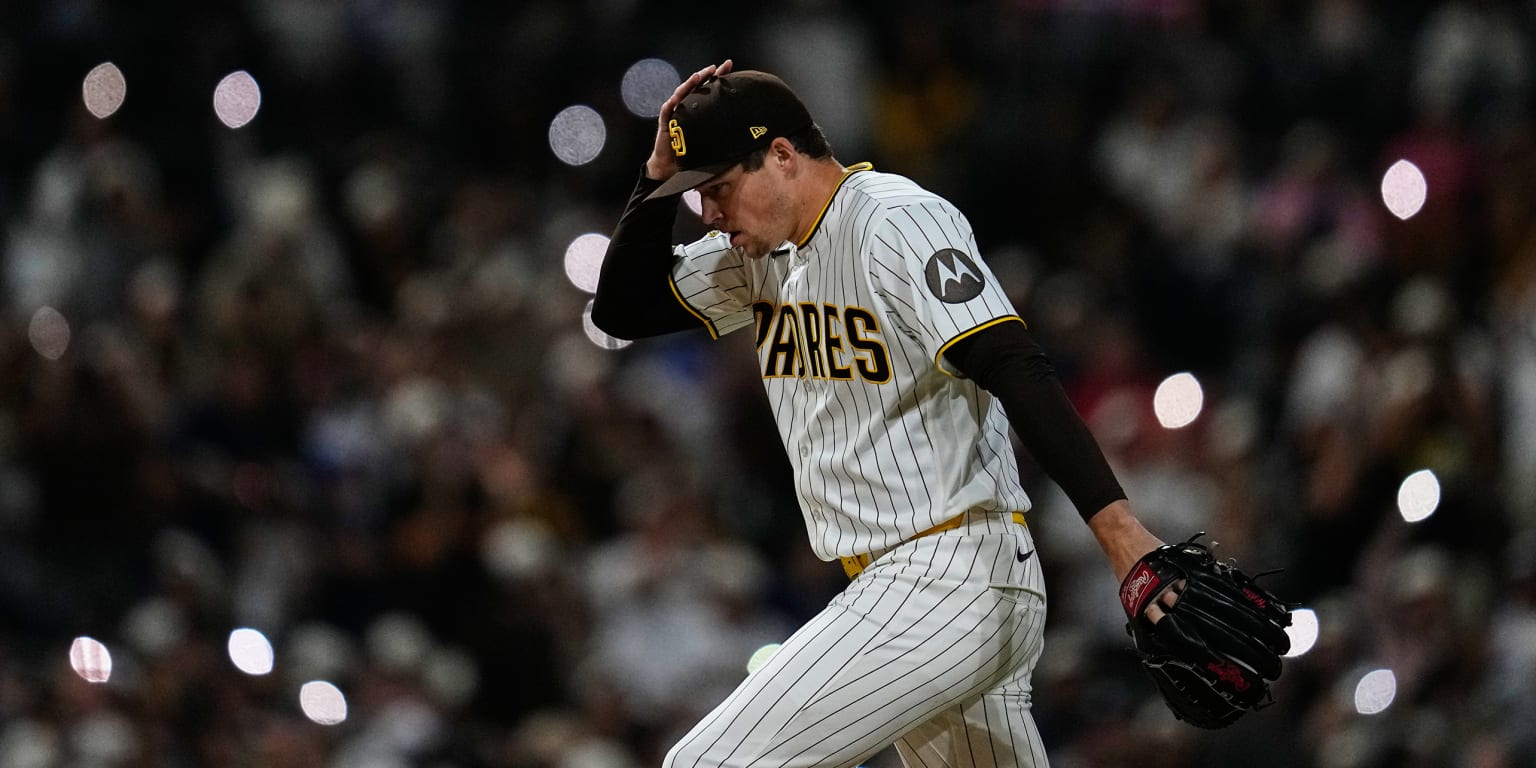
Mason Miller was named to the National League All-Star roster on July 4th—San Diego's lone representative to the Midsummer Classic—while his team completed a seventh consecutive loss, the franchise's worst streak since 2013. The irony is structural, not cosmetic. Miller, acquired last year for prospect Leo De Vries and a crown jewel in San Diego's bullpen, has pitched just six games over the past three weeks as the Padres descended below .500 and fell to the fringe of Wild Card contention. On Saturday night against the Dodgers, Miller entered a 2-0 deficit in the eighth inning and looked underdone: he hit the first batter and gave up Freddie Freeman's RBI single. Manager Craig Stammen defended the usage—"We've got to use that weapon"—but the calculation no longer holds when a team isn't winning.
The Padres' month-and-a-half slide has exposed a hard truth about roster construction. An elite closer is only as valuable as the games his team puts him in position to finish. Earlier in the season, there were legitimate concerns about Miller's workload; he was available almost every game, and the durability question circled. Now the problem is inverted. The Padres can't afford to rest him because they're losing, yet they're losing so consistently that his availability doesn't matter. Miller himself called it the "ebbs and flows" of a back-end reliever—sometimes elite teams and bad teams alike see their best relievers pitch less frequently. But context matters. A contender can survive a stretch where the closer sits; a team fighting for playoff positioning cannot.
The data sharpens the angle further. Miller has appeared in only two of San Diego's last three games heading into a critical Arizona series this week. His strikeout rate (12.8 K/9 over his career) makes him a high-leverage asset when deployed, yet leverage requires opportunities. The Padres' bullpen ERA has ballooned as the team's losing streak extended, partly because Miller's limited workload means other relievers absorb more high-leverage spots they're not equipped for. When San Diego does get healthy offensive output and generate scoring chances late, the question becomes whether Miller's rust—evident against LA—costs them games that are essentially must-wins going forward.
For prop bettors, the angle is not Miller's individual performance (his strikeout prop will remain sharp when he takes the mound) but rather the team's betting trajectory. Padres team totals and moneylines have compressed as the losing streak calcified, but the underlying cause is deeper than variance: San Diego is functionally built around a closer who is too valuable to use in blowouts and too underutilized in close games to stabilize a collapsing roster. This mismatch—elite reliever on a non-contending team—doesn't resolve quickly. Until the Padres either ignite offensively or accept a sellers' mentality and rest Miller entirely, his availability will remain a game-to-game question mark with no clear deployment strategy. Teams below .500 don't win with bullpen scarcity; they need their closers for every single save opportunity, and San Diego isn't generating enough of them.
The All-Star selection is a personal validation for Miller. What it exposes for his organization is a much darker picture: the Padres paid a premium prospect for a weapon they're now unable to use effectively. The problem isn't Miller. It's that no closer—no matter how elite—can salvage a team that can't score and can't stay healthy enough to compete.