Nationals Overperformance Sets Up a Deadline Choice: Buy or Bail on CJ Abrams
By PropBetEdge Editorial Team ·
Washington's unexpected competitiveness has turned a presumed seller into a potential buyer, but trading Abrams would undermine the culture shift Toboni is building.
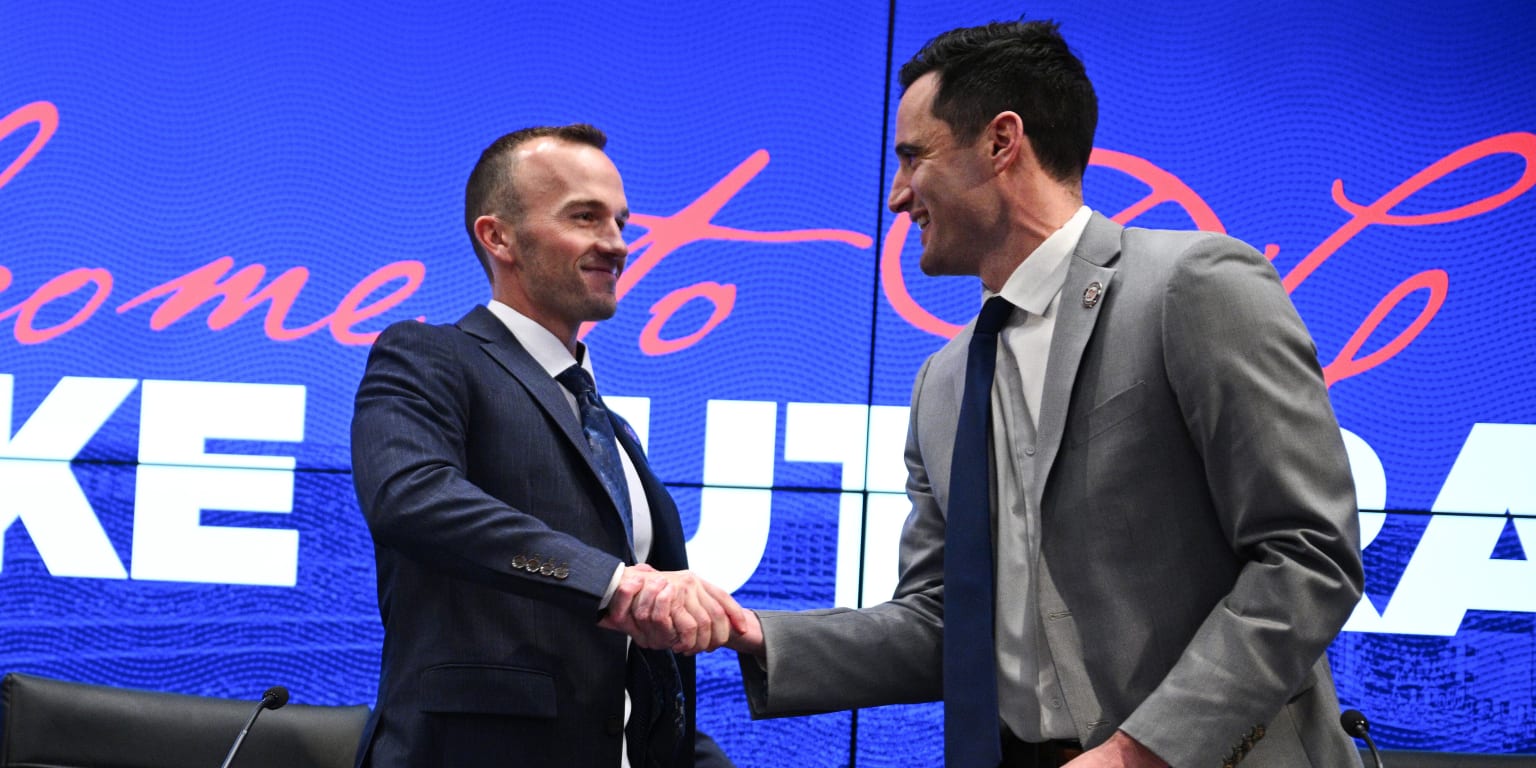
The Nationals entered 2026 as a fringe lottery team. Vegas pegged them to win 60 games. Blake Butera's first season as manager and Paul Toboni's inaugural year running the front office were supposed to be foundation-laying exercises in a multiyear rebuild—a word Toboni pointedly refuses to use. Instead, Washington sits 31-32 through early June with a legitimate Wild Card path still open: only 2½ games back, and the first time they've remained competitive this deep into a season since July 2021. The margin is razor-thin, but the implications are sharp. Come Aug. 3, Toboni will face a decision that wasn't supposed to exist.
The catalyst for Washington's outperformance has been CJ Abrams. The shortstop is putting together a career year—12 home runs, 47 RBIs, and a .903 OPS across 62 games—and he's doing it as the fulcrum of a Nationals offense that leads all of MLB in runs scored. Abrams is arbitration-eligible through 2027, giving him roughly a year more of team control than most Nationals core pieces. On paper, he's the obvious trade asset if the Nationals fall out of contention. His ceiling, as Toboni noted, remains remarkably high; his floor has already been validated. Teams will call. The return could be substantial.
But there's a strategic problem baked into that logic. The Nationals aren't just competing for a playoff spot—they're competing to cement a new organizational identity under new leadership. Trading your best offensive player mid-surge, even if he's positioned as a future free agent, sends a corrective message to a roster that has already proven it can exceed low expectations. The Nationals moved MacKenzie Gore to Texas in the offseason, extracting a haul of prospects. That was prudent asset management in a tank year. Abrams is different. He's performing now. A deal sends the roster the signal that front-office ambition has a short shelf life.
From a betting lens, Abrams' offensive profile benefits from Washington's ability to stay in contention. If the Nationals remain within two games of the Wild Card through July, his RBI and run-scoring props will track the team's offensive volume and leverage. Washington's offense isn't built on superstar carrying capacity—it's distributed. Abrams is the conductor, but the orchestra has depth. His 47 RBIs in 62 games (0.76 per game) sits above his career rate and reflects sustained offensive productivity, not a hot streak. If Toboni holds Abrams and the Nationals stay competitive, expect his RBI and HR props to remain elevated because the team's win probability remains consequential. If Abrams is traded, those props crater—not because his production falls, but because he lands on a new team mid-season with truncated role definition. The market may initially price Abrams props as if he stays; any deadline deal execution creates a repricing volatility window of 24-48 hours. Early positioning on Abrams RBI totals (currently likely 4.5–5.5 per game) should account for the real possibility that his context shifts sharply in early August.