Dylan Crews Gets a Second Chance: What the Nationals' Recall Means for Washington's Lineup
By Ty Whitney ·
The Nationals are calling up former second-overall pick Dylan Crews, signaling organizational patience with a prospect whose early MLB stint didn't land as expected.
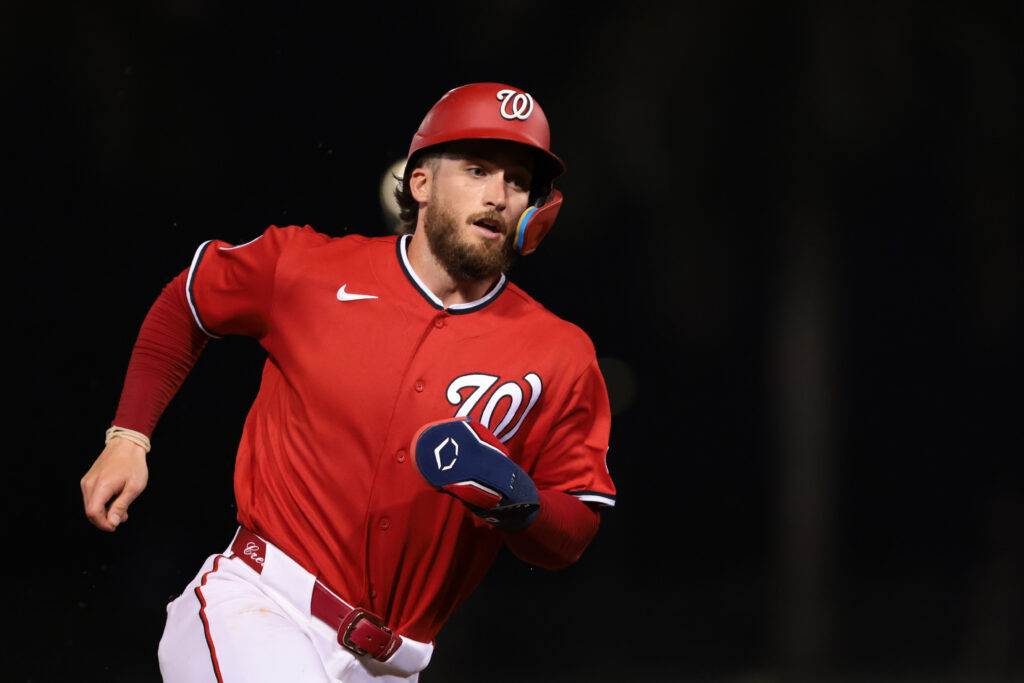
The Nationals will recall Dylan Crews from Triple-A Rochester to face the Mets, per Mark Zuckerman. The 23-year-old outfielder gets another opportunity to establish himself at the major league level after a rough first exposure. The timing is independent of roster moves from tonight's game—this is a planned reinsertion, not a panic swap.
Crews' trajectory tells a familiar prospect story with a twist. The former LSU standout arrived at the 2024 draft as a generational talent, the kind of prospect who looked like a future All-Star on video. His college performance backed it up: elite contact rates, plus power, advanced plate discipline relative to his age. The leap to MLB, though, has been humbling. His initial stint featured the classic rookie wall—swing-and-miss percentile above league average, struggles against off-speed pitches, and an inability to translate his advanced metrics into consistent at-bat results.
Recall windows matter in prospect development, particularly for young hitters who've hit mechanical or confidence walls. Crews spent time grinding in Triple-A, the environment where adjustments usually crystallize. The Nationals are gambling that repetition and refinement at the minor league level have smoothed his approach enough to function against big league velocity. This isn't organizational panic—it's deliberate patience, the kind that suggests Washington still sees the LSU pedigree and draft capital as predictive.
From a betting lens, Crews' return presents an interesting volatility wrinkle for Nationals team totals and offensive props. His upside, if unlocked, is genuine—he has 25-homer, 80-RBI projection potential if the adjustments stick. But volatility is the operative word. Early returns on young hitters called back for "second chances" usually trend toward high strikeout rates and cold stretches before anything clicks. In the near term, expect Nationals offense to be less predictable, not more explosive. Team total overs become riskier until Crews settles into a consistent role and approach—typically a 2-3 week acclimation period. His own hit and RBI props should be treated as high-variance plays; the ceiling is real, but so is the basement.
Washington's willingness to invest developmental capital in Crews also signals they're not abandoning the youth movement, despite mediocre near-term results. That's relevant context for how aggressively you want to lean on Nationals team totals or individual bats around the lineup. If Crews produces early, it unlocks upside. If he struggles again, it confirms that the roster has deeper issues than a single prospect. For bettors, that's a stay-sober signal: wait for clearer directional data before stacking on Nationals offense, even if the pedigree whispers upside.