Murphy's Bullpen Triage: Pirates Pitching Staff Starts to Show Structure
By Erik Schwartz ·
Bill Murphy arrives in Pittsburgh with a proven Astros blueprint, and early interviews reveal the Pirates are engineering a measurable count-management fix that could tighten their bullpen ERA before the trade deadline.
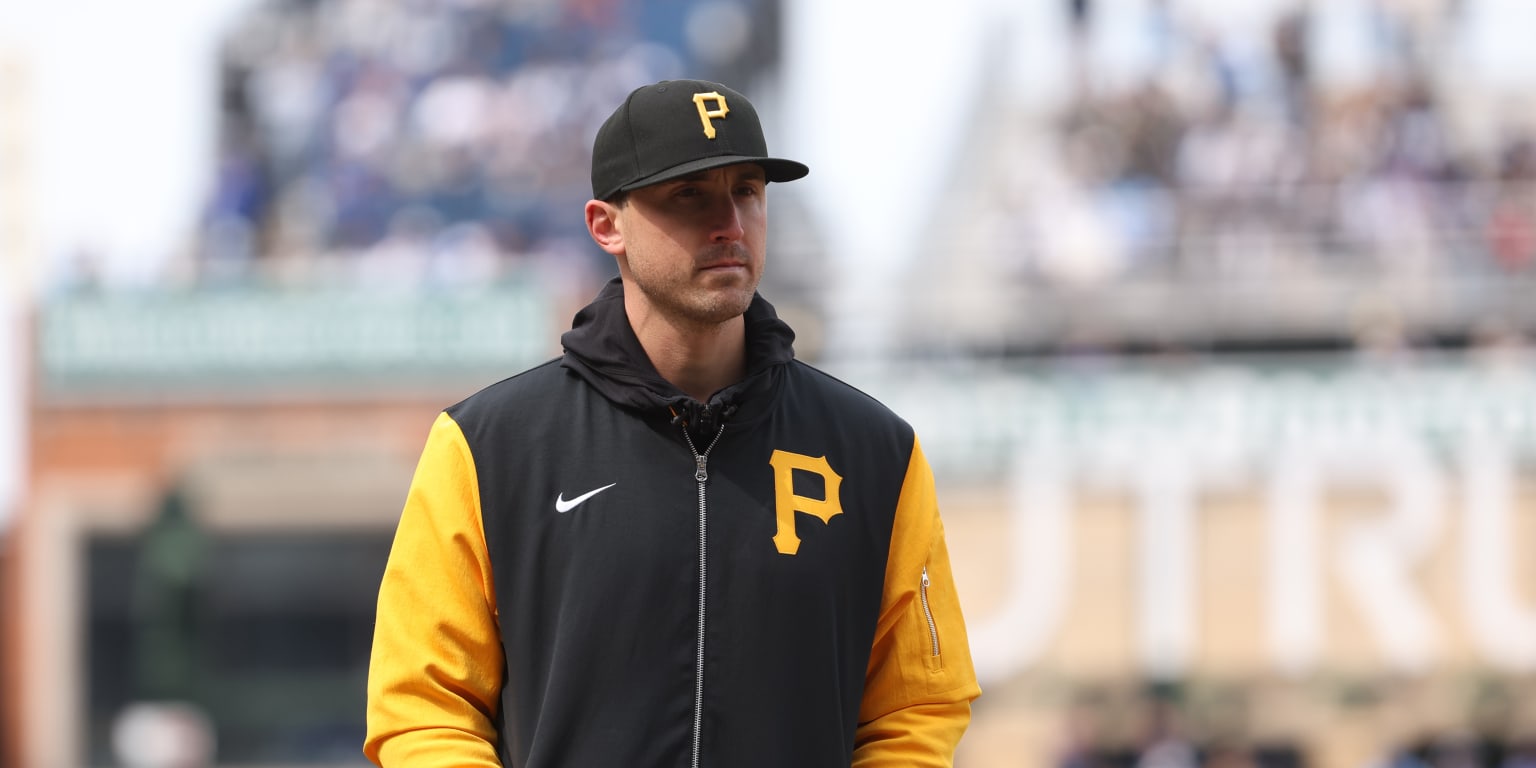
Bill Murphy is four weeks into his first season as Pittsburgh's pitching coach, and he's already diagnosed the Pirates' core problem: they're walking too many hitters. Per the source interview conducted June 14, Pittsburgh has issued 287 walks this season—the ninth-most in baseball—and Murphy's philosophy centers on aggressive strike-throwing to shrink those counts before they spiral into leverage situations. This isn't theoretical. Murphy built Houston's 2.80-ERA bullpen in 2022, the second-best in baseball over the prior five-year window, then watched the Astros throw a combined no-hitter in the World Series. He knows what tightness looks like.
The Pirates' rotation has regressed from a 3.71 ERA last year to 3.96 this season, but the real liability is the bullpen's 4.43 ERA—sitting outside the top 10 in the National League. Murphy is working with a mixed inventory: he's identified left-handed reliever Mason Montgomery (4.71 ERA, 26 years old) as a candidate to unlock elite strikeout stuff; pinpointed Dennis Santana as a right-hander improving incrementally; and sees Carmen Mlodzinski, moved from starter to reliever mid-season, as a flexible high-leverage asset if stretched correctly. Gregory Soto occupies a closer role Murphy views as overstretched—a trade-deadline acquisition of a shutdown reliever would shift Soto to setup duty and relieve pressure on the back end. Anchoring it all is Cy Young winner Paul Skenes, whose consistent routine and mental approach Murphy wants fans to appreciate each time he takes the ball.
The count-management angle is where the mechanical improvement lives. Pirates pitchers aren't trying to walk batters; they're falling behind and failing to execute in specific counts, then either walking or elevating fastballs. Murphy's daily process—he places red raffle tickets on lockers after strikeouts to reward execution—is designed to build pitcher-by-pitcher discipline. For ground-ball pitchers, he tracks ground-ball rates. For strikeout artists, strikeout rates. The goal is incremental daily improvement that compounds into run prevention by season's end.
From a prop perspective, this Murphy framework carries real implications for Pirates strikeout totals and team ERA trends. If Pittsburgh's pitchers reduce their walk rate from the current nine-most-in-baseball standing toward league average (around 260 walks for a full season), they inherently throw fewer pitches in extended counts, reduce bullpen usage frequency, and lower stress on mid-to-late-inning arms. That translates to measurable improvements in individual reliever strikeout props—Montgomery and Santana, if they stay healthy and stay deployed—and should dampen Pirates team total unders for the second half. The rotation's 3.96 ERA sits above-league-average, but strikeout volatility within that ERA is often where the swing trades live. Skenes' strikeout rate is a floor; the bullpen's is an upside play if Murphy's count discipline takes hold.
Murphy's optimism is grounded in precedent, not hope. Houston overcame similar bullpen stretches under his watch. The Pirates won't reverse a 4.43 ERA overnight, but the structural work is visible—and it's the kind of coaching philosophy that usually tightens numbers in the second half, not loosens them.