Murakami's Hamstring Exit Scrambles White Sox Lineup; Gonzalez Call-Up Adds Speed but Signals Offensive Reprieve
By PropBetEdge Editorial Team ·
Chicago loses its rookie velocity spark mid-win, forcing a prospect swap that may cool offensive expectations just as the club hits its stride.
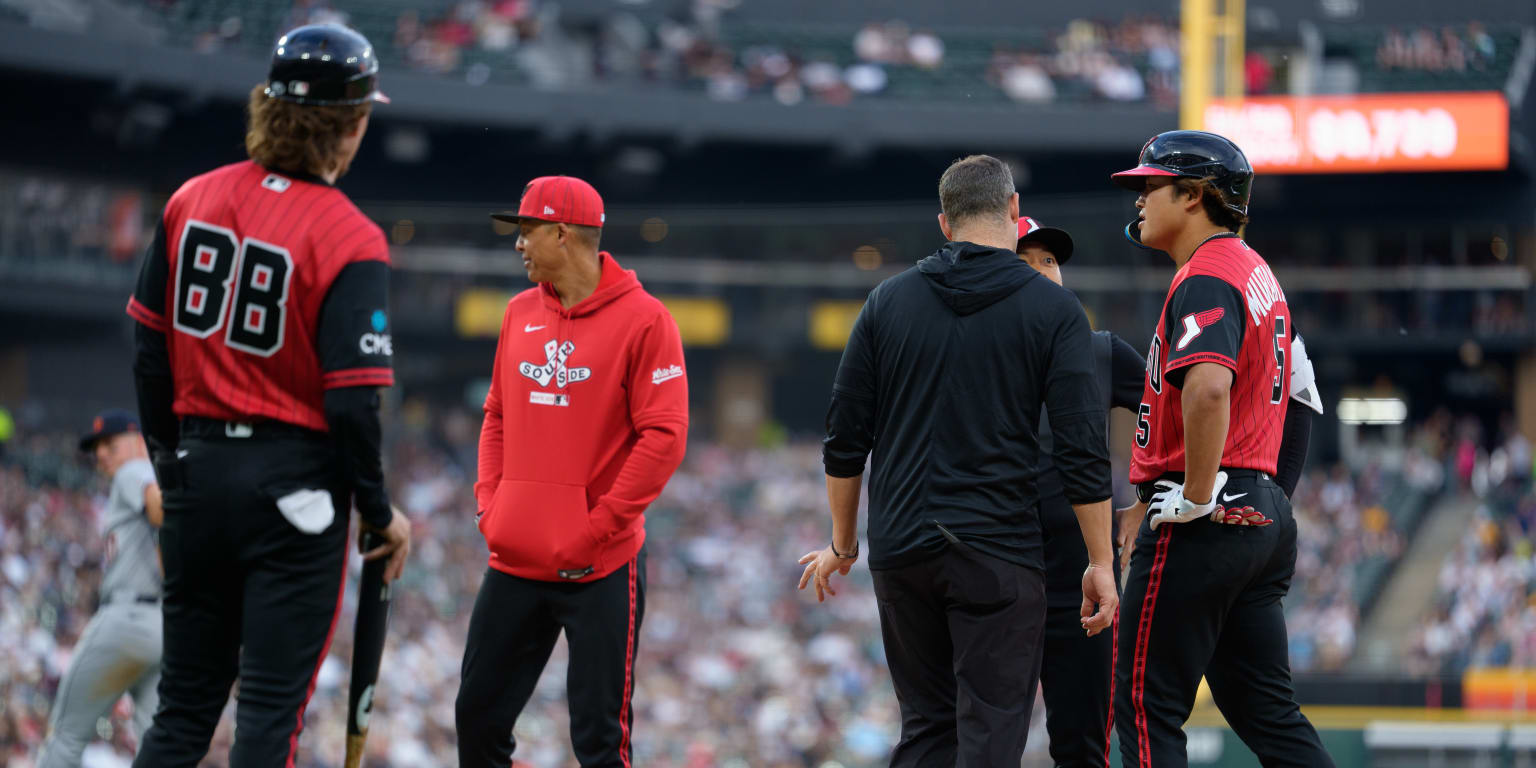
Munetaka Murakami exited Friday's 4-3 victory over Detroit in the third inning with right hamstring tightness while beating out a fielder's choice grounder, and the White Sox placed him on the injured list Saturday. The timing punctures what had been a rare bright spot in a rebuilding roster—Murakami's rookie season has been one of the few consistent offensive drives for a club that has otherwise limped through most of 2024. The insertion of Jacob Gonzalez, the organization's No. 23 prospect from Triple-A Charlotte, marks a downward shift in offensive profile, even as it addresses an immediate roster gap.
Gonzalez arrives with legitimate minor league credentials: a 1.087 OPS, 19 homers, and 62 RBIs for Charlotte this year represent his best output in the White Sox system. He covers second, short, and first base, giving manager Pedro Grifol positional flexibility alongside Vargas and Montgomery. But the substitution is functionally a step backward in batting talent. Murakami had become a velocity-and-athleticism player the market was pricing for regular at-bats; Gonzalez is a prospect still proving sustainability, not a like-for-like offensive replacement. The White Sox are 14-3 in their last 17 games at home and 9-3 in AL Central play—early indicators of a team finding structural footing—but losing Murakami's bat into their run against Minnesota next week removes offensive certainty they'd been building.
The hamstring strain is not a major structural injury, but the mechanics matter. Murakami was caught on a speed play—a fielder's choice grounder he had to sprint out—and hamstring injuries in early-season baseball often linger longer than initial optimism suggests. If he's out for 10-14 days rather than the minimum 10-game stint, the White Sox' offensive profile flattens noticeably. Gonzalez's speed and contact approach may help in scoring from first or third, but he won't match Murakami's consistent run-production rate or the behavioral element of fear a young, quick hitter adds to opposing defenses.
For betting purposes, this tilts the needle toward unders on White Sox team totals over the next two weeks. The club's recent 14-3 home stretch and 9-3 division record have been underpinned by multiple offensive contributors; losing Murakami removes one of their few high-leverage bats in mid-lineup situations. Books have likely already adjusted Friday's lines to price in the Gonzalez swap, but the depth of impact—a prospect stepping in for a player the market had begun to build daily fantasy and prop models around—may not be fully reflected in game totals. Look for White Sox team runs to trade 4.0-4.5 depending on opponent pitching quality; that range becomes vulnerable, particularly in the Minnesota road trip where the Twins' bullpen volatility historically allows variance. If the number creeps toward 4.5 or higher, lean under.
Jordan Leasure's simultaneous move to the 60-day IL (from an initial disabled-list designation) is a secondary signal that the pitching staff is managing durability concerns. It's not a catastrophe, but it compounds the message: this White Sox club remains in flux, talent-wise, and the illusion of consistent offensive firepower that sustained their home record is thinning.