Murakami's Hamstring Recovery Enters Active Phase, but White Sox Offense Already Priced In
By Erik Schwartz ·
The White Sox star is hitting off a tee, but his absence has not dented their run production—a signal that the market may be overvaluing his return impact on team totals.
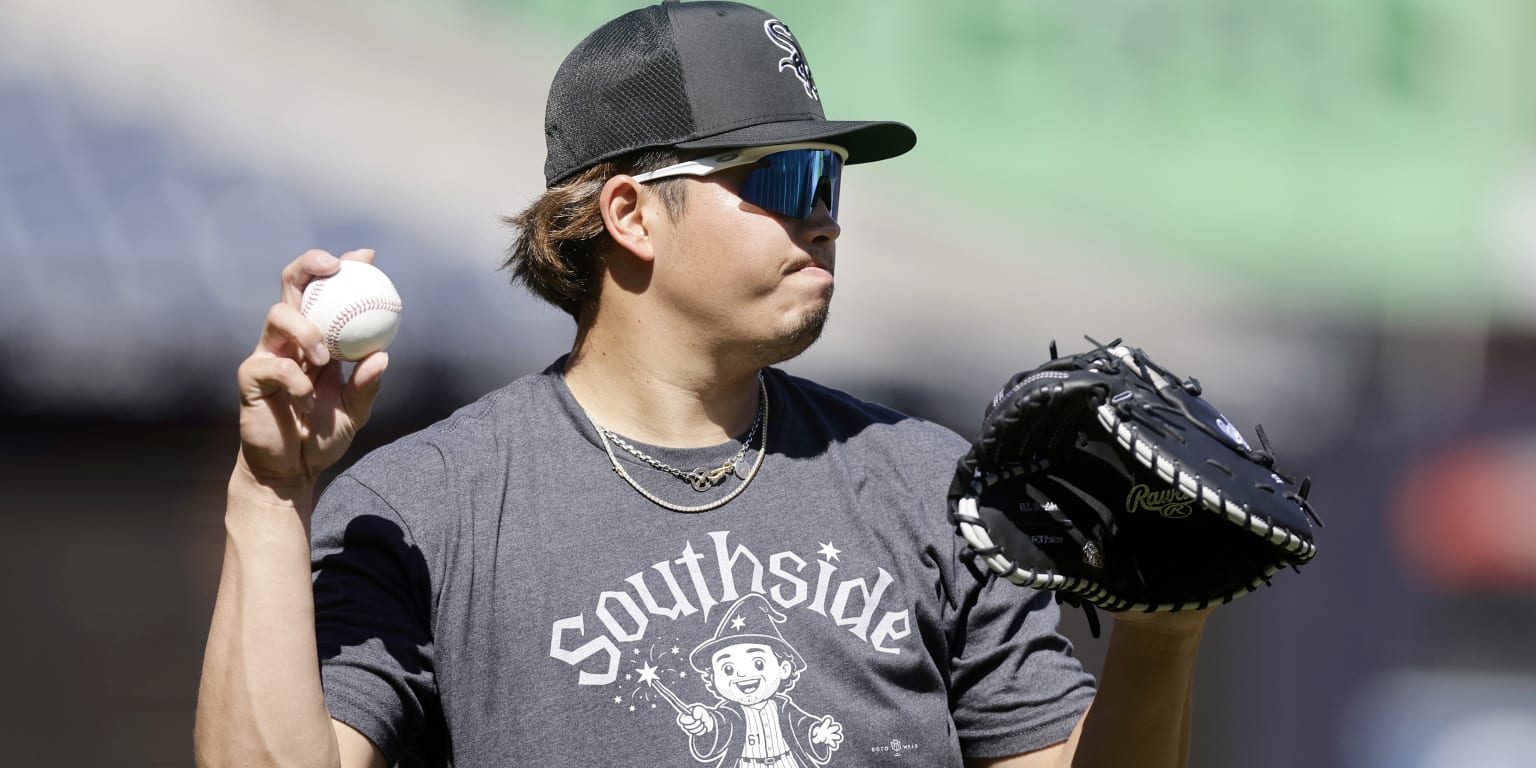
Munetaka Murakami began baseball activities this week after suffering a right hamstring strain on May 29, per White Sox manager Will Venable. The first baseman is progressing through running, throwing, and cage work, though no return timeline has been established. This marks the transition from injury rehabilitation to sport-specific conditioning—a necessary but early step in what could be a multi-week absence.
The timeline matters less than what has happened in Murakami's 19-day absence. Since May 30, the White Sox have averaged 4.93 runs per game, ranking 15th across baseball during that window. That's not a collapse. For context, their season average entering the injury was competitive enough to keep them in contention; the offense has simply maintained that baseline without their cleanup hitter. Venable acknowledged the resilience: contributions have spread across the roster, and the lineup is not the shell version some might expect.
Here's the prop-betting implication: if Murakami's return were a transformational event—a +1.5 run-per-game upgrade—you'd see the White Sox team total market price in that upside preemptively. Instead, the fact that the offense has stayed flat suggests either the market already accounts for his production, or his value is baked into individual-game conditions rather than season-long juice. The risk for bettors is chasing a "return" narrative that inflates expectations beyond what the actual data supports. A player returning from a soft-tissue injury at six weeks out typically eases into full availability over 2–3 weeks; you don't get day-one peak performance.
The more durable angle is fade: when Murakami returns and the market spikes the White Sox team total on optimism, the early-return games carry elevated volatility (players shaking off rust, reduced DH flexibility, pinch-hit substitutions). Wait for him to log 10+ consecutive games at full speed before trusting team-total overs. The market will price him as a 1.0–1.2 run-per-game upgrade on day one; the real number over his first month back is closer to 0.3–0.6 as he rebuilds availability.