Murakami Exits 30-PA Drought in Explosive Fashion, Signals White Sox Power Shift
By Ty Whitney ·
After 30 plate appearances without a homer, Murakami's two-home-game performance against the Cubs reveals how quickly hot-and-cold volatility can override season-long trends in rookie power hitters.
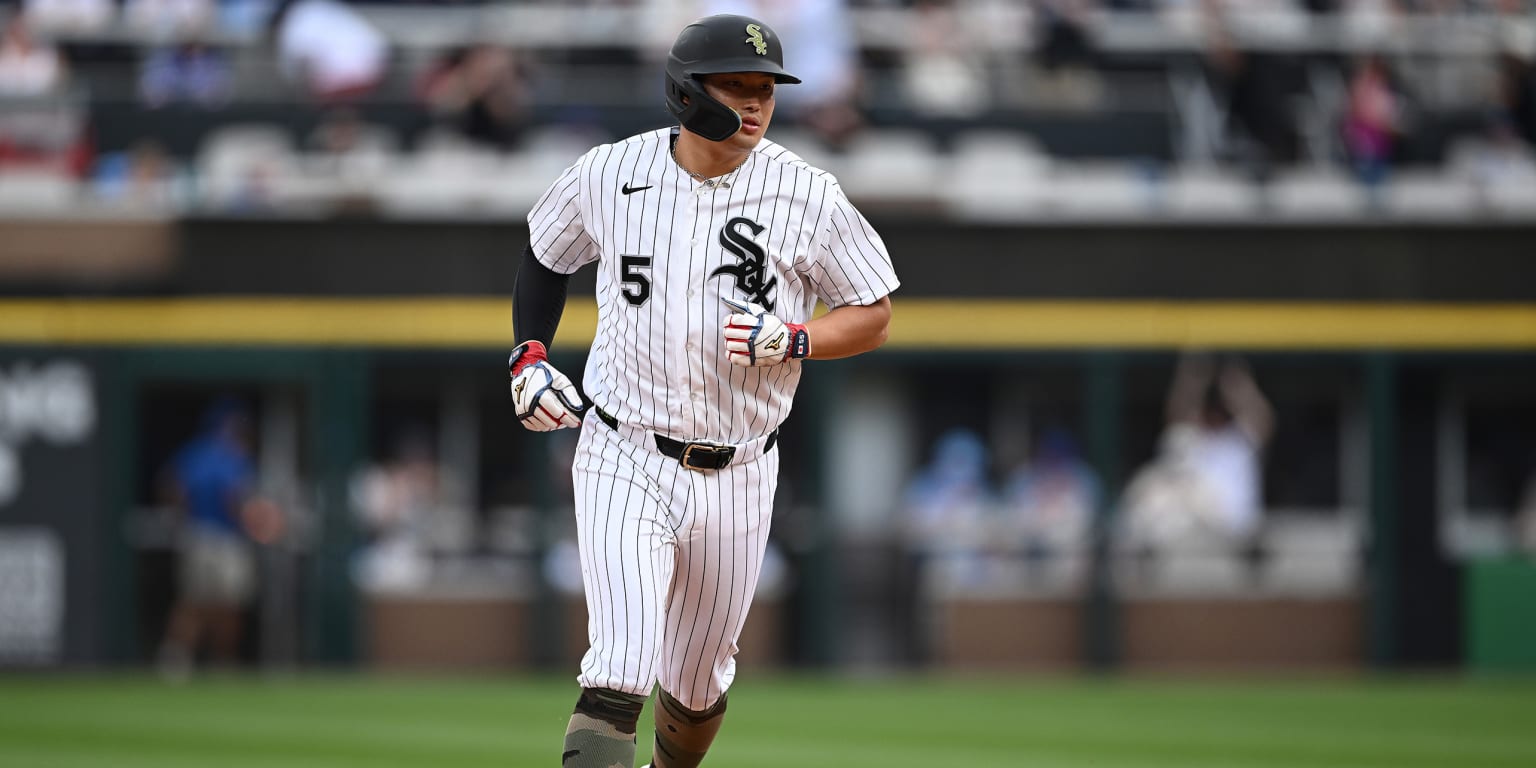
Munetaka Murakami snapped a 30-plate-appearance homer drought Saturday night at Guaranteed Rate Field, belting back-to-back home runs in the same game for the first time in his MLB career. A solo shot in the third inning off Jameson Taillon, followed by a two-run blast in the fifth, carried the White Sox to an 8-3 victory over the Cubs and vaulted Murakami to 17 homers in his first 45 career games—a pace that ties him with Yordan Alvarez, Cody Bellinger, and Wally Berger for third all-time in that milestone window.
The performance underscores a critical dimension of Murakami's rookie arc: extreme periodicity. After opening the season with early power, he entered a stretch without a homer, drawing questions about sustainability. Then he answered by hitting eight homers in 10 days. Saturday's outburst—part of his eighth multi-homer game this season alongside Colson Montgomery (a White Sox team record for teammate duo frequency)—signals that the question is not whether Murakami can hit power, but whether his absence-to-explosion cycle will persist through the season. For bettors, this creates a timing problem masked by a single-game narrative. Multi-homer nights are variance events, not indicators of sustained elevation. Taillon was the victim here, but so too were bettors who saw one night's fireworks and extrapolated forward without accounting for Murakami's established rhythm: burst, drought, burst again.
The White Sox offense itself benefited from the clustered power display. Five home runs in one game against one starter (including a three-run shot by Miguel Vargas and a solo by Benintendi) reveal less about the offense's baseline and more about a pitcher's inability to execute when facing elevated exit velocities. Taillon's removal after five innings and 86 pitches confirms the dynamic: he was beaten, not that the Chicago lineup has found a new gear.
For prop bettors, the immediate lesson is caution on Murakami's next multi-game slate. A 30-PA drought followed by a two-homer night is precisely the kind of outlier event that invites false consensus. His season ISO (isolated slugging percentage) remains strong, but Sunday and Monday's matchups against the Cubs will draw inflated totals on Murakami home run lines, priced as if Saturday's explosion reflects his new floor rather than a release of accumulated volatility. The market will overcorrect upward on his individual props within 24 hours; early positions (from before Saturday's game) offer better value than looks taken Monday morning. Conversely, fading Murakami HR props at 1.5+ odds for the next two games is not a contrarian move—it's a regression to his established 30-PA baseline, which includes stretches of power silence even in a historically strong rookie season.