Muncy's Power Stroke Ties Dodgers History—and Exposes Wheeler's Vulnerability to the Long Ball
By Erik Schwartz ·
Max Muncy's 228th career homer as a Dodger moved him into fifth all-time franchise history while showcasing a repeatable edge: the Dodgers have now tagged Zack Wheeler for eight runs across two regular-season meetings this season, both powered by elevated fastball placement in the zone.
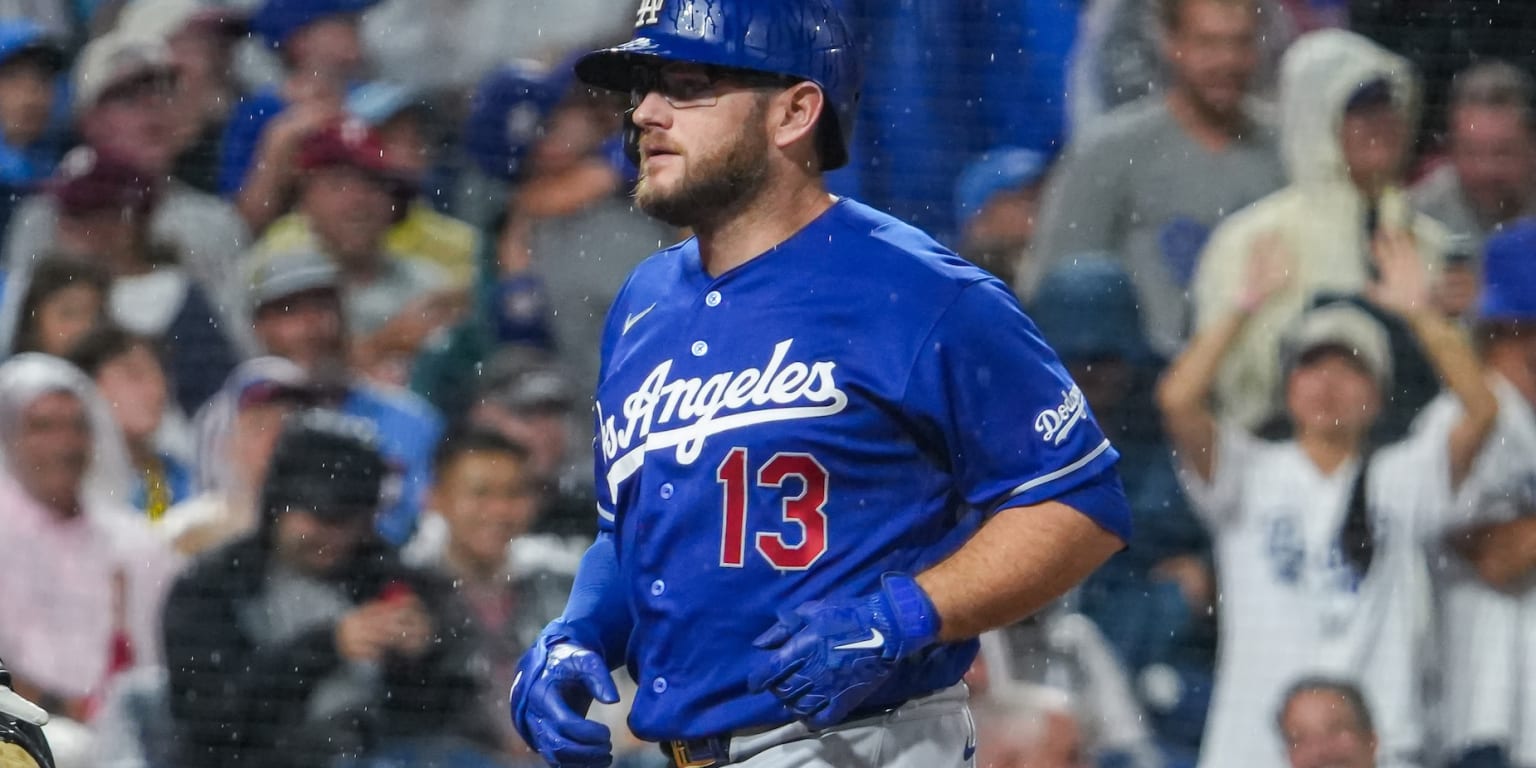
Max Muncy hit a 421-foot two-run homer off Zack Wheeler in the fourth inning Tuesday night at Citizens Bank Park, tying Ron Cey for fifth on the Dodgers' all-time home run list with 228 career blasts in Dodger blue. The blast held up as the game-winner in a rain-delayed 2-1 Dodgers victory that kept the series even. The home run itself was a clinic in pitch recognition: Wheeler, operating at elite command all evening with nine strikeouts across seven innings, left a first-pitch cutter middle-in to Muncy with a runner on first, and Muncy's 102.4 mph exit velo translated to straightaway center-field damage.
What matters more than the historic milestone is the pattern underneath it. The Dodgers have now faced Wheeler twice in 2026 regular-season play, and they've combined to score eight runs against him—four solo homers on May 29 at Dodger Stadium (one by Muncy), then two more Tuesday. For a pitcher who has been among baseball's best this season, that's a notable vulnerability. Wheeler's release point sits just 3 feet from the catcher's box, giving him rare command of the strike zone, but against Los Angeles specifically, he's shown a tendency to elevate fastballs in the zone when ahead in counts. That's not a dead-fastball pitcher bailing out hitters; that's a precision command guy finding the same mistake twice against the same offense.
The larger context: Muncy continues to be the Dodgers' most versatile offensive weapon and, as the franchise's longest-tenured player, a centerpiece of their lineup construction. At the plate, he's hitting his 19th home run of the season (early July, well on pace for a 35+ homer year). On defense, he made the game's final play—orchestrating a wild rundown with J.T. Realmuto and Justin Crawford that became a game-ending double play with runners in scoring position and one out in the ninth. That dual impact (offensive production plus high-leverage defense) is why the Dodgers keep him in premium situations.
For betting purposes, the Wheeler angle is actionable but time-sensitive. The Dodgers' success against Wheeler is built on a two-game sample within a single season, not a multi-year pattern, so the edge is vulnerable to regression or market adjustment if they face him again. However, the mechanism—elevated fastballs in hittable zones against a lineup that can barrel velocity—is traceable and specific enough to justify a lean on Dodgers team total overs the next time Wheeler starts against them. If the Dodgers get a third meeting against Wheeler later this season, expect the sportsbooks to have already baked in the first two games' results, and the line should tighten. The real value is in early-week games where sharp money hasn't yet priced the repeat pattern.