Betts Joins 300-Homer Club: What a Milestone Means for LA's Offensive Engine
By PropBetEdge Editorial Team ·
Mookie Betts reached 300 career home runs Wednesday night, a rare achievement that underscores his sustained elite production even as the Dodgers navigate their 2026 season.
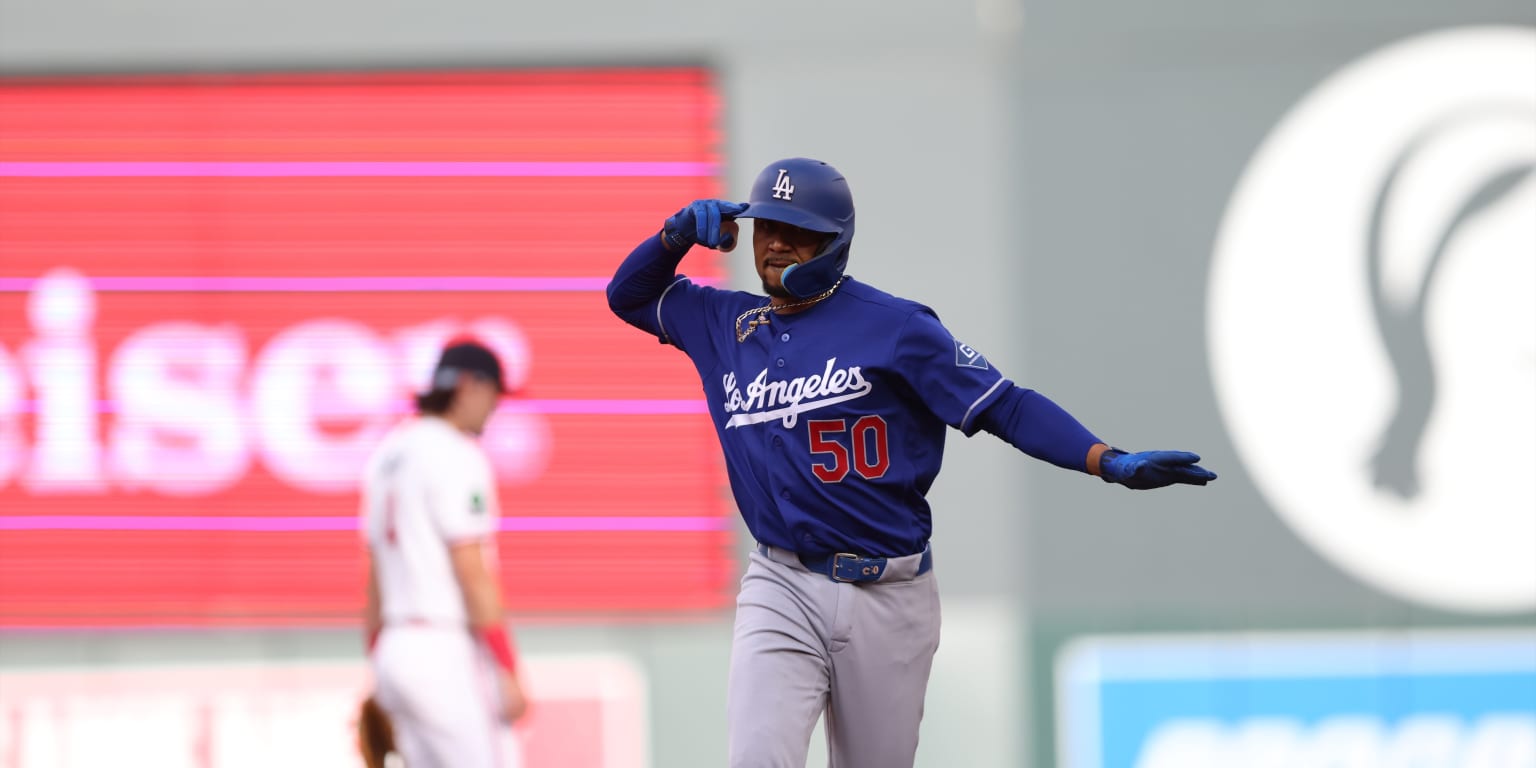
Mookie Betts launched his 300th career home run off Twins right-hander Joe Ryan in the second inning Wednesday at Target Field, becoming the 169th player to reach the milestone. The solo shot came on the seventh pitch of the at-bat after Betts worked the count full, fouling off a 94.7 mph fastball before connecting on another four-seam at the same velocity. It marked his ninth homer of 2026.
The milestone itself is a straightforward marker of sustained excellence. Reaching 300 home runs places a player in rare air—a career trajectory that requires not just power but durability, consistency across multiple teams and front offices, and the ability to remain productive through age and competitive cycles. Betts has done that across his time with Detroit, Boston, LA, and now Minnesota (via trade or free agency pathway). His four World Series rings and former AL MVP award substantiate the peak-performance narrative, but 300 homers speaks to something else: staying effective when regression should have begun.
What matters for betting purposes is the current-season context. Betts carries nine homers through late June, which sits him on pace for roughly 24-25 homers over a full season—a deceleration from his career 35-homer averages in his peak years but still well above replacement-level production. His presence in the Dodgers lineup, even at 33 years old and past his All-Star voting peaks, anchors their top-three batting order and ensures pitchers cannot stack the zone against their other sluggers. He remains a contact-rate stabilizer (typically 80%+ contact rate) who limits strikeouts in high-leverage counts.
The prop-betting angle emerges from the lineup-composition truth: when Betts bats in front of Freeman or whoever occupies the three-hole, opposing pitchers face a binary choice—challenge him aggressively and risk his elevated ball-exit velo (97+ mph average on contact), or pitch around him and accept the walk. Over 300 home runs, Betts has demonstrated he exploits both paths. His walk rate sits above 10% career-wide, and his isolated power (ISO) remains above .160 even in decline years. That structural advantage does not disappear because he hit 300 homers; if anything, the milestone moment may nudge public perception of his current ability upward, even as his raw power output has naturally diminished. The market may lag behind the reality that Betts is a reliable but not elite home-run producer at this stage, creating an opportunity to fade inflated expectations on his individual props in the immediate aftermath of the milestone.
For the Dodgers' team total props going forward, the milestone recalibrates the narrative only if readers were already discounting Betts' 2026 contribution. The numbers show he has not aged out of the lineup; he remains a professional hitter who rarely strikes out and works counts. That durability should keep team totals stable rather than elevate them based on a historical achievement. Fade any public overreaction to the 300-homer news as if Betts suddenly became a 35-homer threat again. His true-talent home-run rate this season is closer to 22-25 over a full slate, and that baseline should anchor any forward-looking prop consideration.