Pitch Tipping, Catcher Upgrades, and Late-Season Bullpen Depth: Three Trade Deadline Moves Set Up Prop Edges
By PropBetEdge Editorial Team ·
The Cubs fixed Imanaga's mechanical leak with an unconventional catcher signal; Toronto bet millions on framing quality; and relief depth enters a new phase as the postseason race tightens.
The trade deadline passed last week, and the league's moves are already reshaping October odds. Beyond the headline acquisitions—Braxton Garrett, Kevin Gausman, and Clay Holmes to Chicago; José Soriano to Toronto—lie three specific mechanisms that will govern September performance and prop markets through the playoffs.
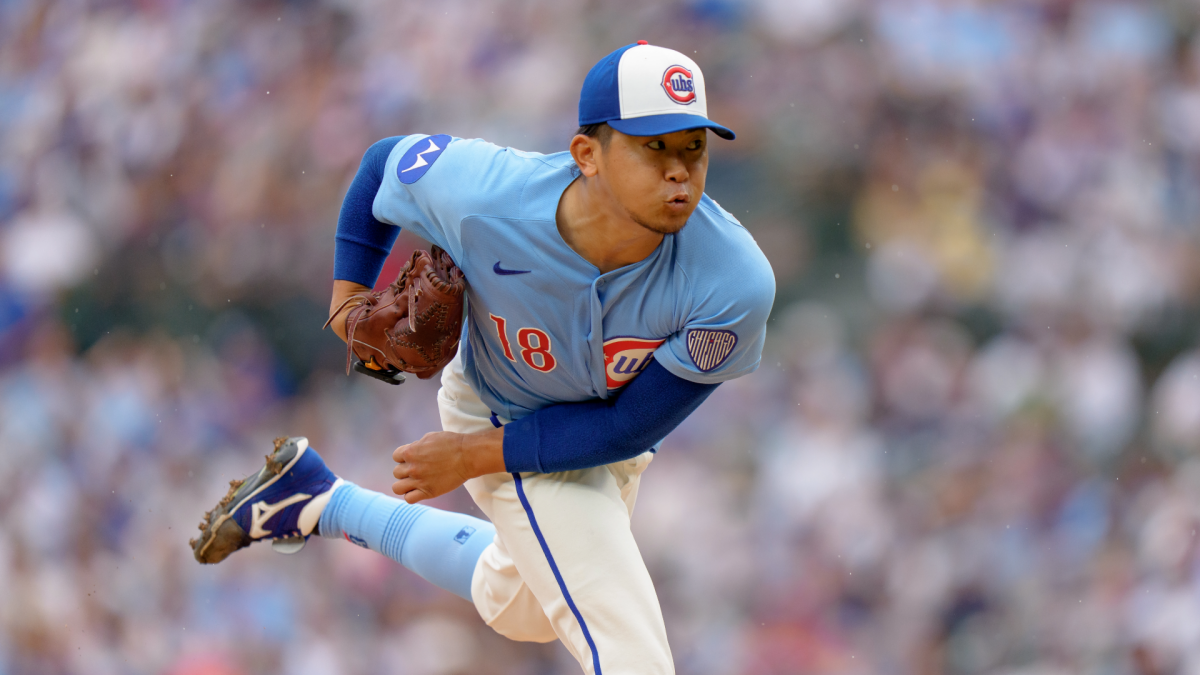
Shota Imanaga's correction is the oddest and most measurable. The Cubs left-hander was tipping his pitches early in the season, a mechanical leak so obvious that the Mets tagged him for four runs and three home runs in 5⅓ innings on June 24, specifically targeting his fastball. The visual tell—almost certainly related to glove positioning—cost him multiple swings and misses converted into barrels. Rather than rebuilding his entire motion, catcher Miguel Amaya found a workaround: set the target abnormally high in the zone, a constant visual cue to keep Imanaga's glove stable. It worked. Since that Mets start, Imanaga has posted a 1.99 ERA over his last six starts and 35⅔ innings, yielding just four home runs total. The tipping hasn't vanished; the Cubs simply neutralized its edge. This matters for prop betting because Imanaga's strikeout rate (8.4 K/9) remains steady, but his home-run rate has collapsed from unsustainable levels. Expect his ERA to stabilize in the 3.50–3.75 range for the remainder of the season, making overs on team totals in Cubs games more vulnerable to regression than they were two weeks ago.
Toronto's bet on José Soriano reveals how much catcher framing can reshape a pitcher's outcomes. The Blue Jays surrendered top prospect Arjun Nimmala and two others to acquire Soriano, a calculated move to pair him with the league's elite framing duo in Alejandro Kirk and Brandon Valenzuela. The numbers justify the gamble: Toronto's catchers rank first in MLB with 15 framing runs and a 50.1 percent shadow-called strike rate, while the Angels catchers Soriano just departed ranked 30th in framing runs (minus-12) and 30th in shadow strikes (45.2 percent). That five-run framing advantage compounds over a full season. Soriano's curveball generates near-50 percent whiff rates; with better pitch recognition at the plate and more favorable zone calls, his 4.64 ERA over his last 16 starts should tighten considerably. The regression from his 0.24 ERA start was inevitable, but Toronto's catcher infrastructure offers a floor that Arizona's did not. For prop purposes, Soriano's strikeout line should be monitored closely against his new team's pitches; expect elevated swinging-strike rates and fewer walks as Blue Jays catchers frame his best stuff in cleaner counts.
The broader implication is that bullpen and defensive infrastructure—long treated as ambient context—now carry explicit prop value. Clay Holmes, acquired by Chicago, thrives when infield defenses convert balls into outs; the Cubs' all-world defense (they ranked in the top five in defensive runs saved last season) will amplify his sinker's ground-ball tendency. That filters directly to opponent home-run prop lines: teams facing Holmes in Wrigleyville, especially early in games when the infield is fresher, should see tighter under-thresholds than his career averages suggest. Conversely, Soriano in Toronto creates an asymmetric edge on strikeout props. His curveball was already elite; elite pitch-framing moves it from a swing-and-miss pitch to a phantom-strike pitch, enlarging his effective arsenal.
The market will price Imanaga's corrected form within 48 hours of today. His next start against a competent offense will reset expectations; lean his unders only if the line reflects pre-correction volatility (3.50+ ERA implied in moneyline or total movement). Soriano's edge persists longer because framing advantage is durable across months and playoffs—Kirk and Valenzuela won't regress. If his strikeout line opens in the 7.5–8.5 range, that's value on the over, particularly in games against fastball-heavy lineups that chasers shorter pitches when they recognize early zone attacks.