72 Hours to Deadline: Peralta and Arraez Odds Tell You Where Smart Money Already Moved
By Ty Whitney ·
With the trade deadline closing Monday at 6 p.m. ET, betting markets are pricing in which contenders will actually pay for proven talent—and the numbers reveal stark gaps between favorites and dark horses.
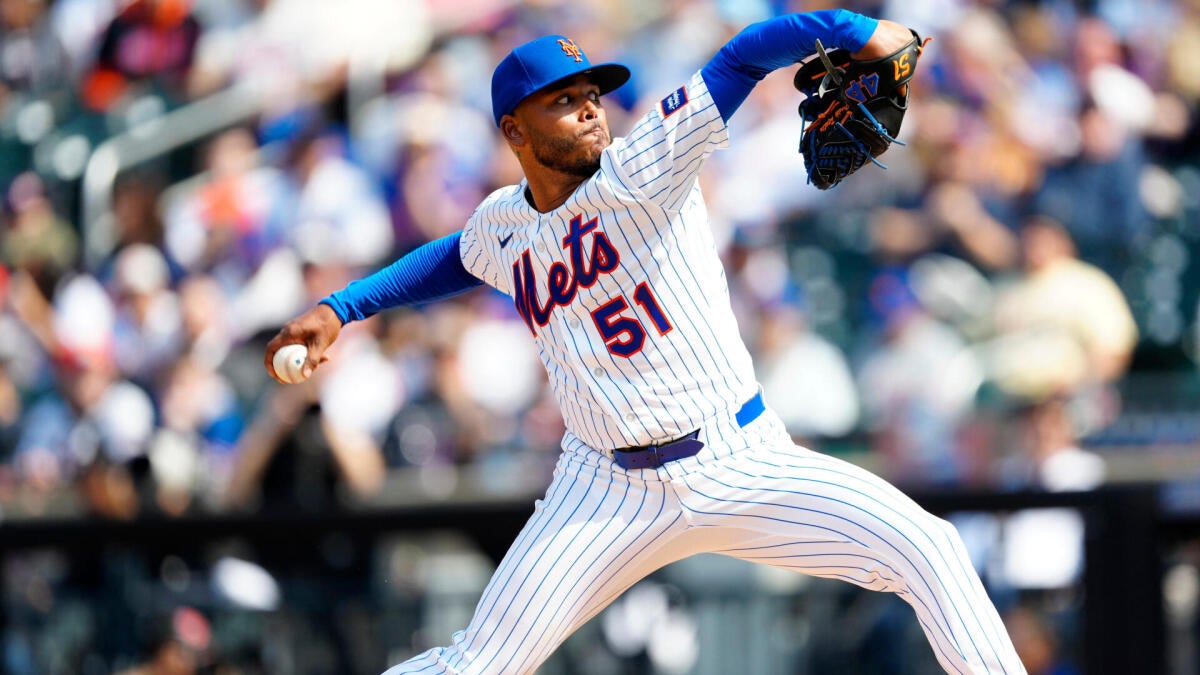
The MLB trade deadline closes in 72 hours. Teams have until Monday, August 3 at 6 p.m. ET to complete any deal, and the market for star assets—particularly Freddy Peralta and Luis Arraez—is already settling into distinct patterns that betters should understand before the final bell.
Peralta's next-team odds tell a clearer story than his 4.99 ERA suggests. The Mets acquired him this offseason as a front-line starter; instead, he's underperformed and New York has pivoted to seller mode. The betting board has White Sox as the heaviest chalk at +285, followed by Brewers and Cubs at +425 each. The market is pricing in organizational reality: the White Sox have young arms (Sean Burke, Davis Martin) who need a proven anchor, and they have the farm assets to move. The Brewers, Peralta's home for eight seasons before this year's trade, represent a natural fit for a reunited path. Cubs manager Craig Counsell managed Peralta in Milwaukee—a detail that matters because contending teams often trade within an ecosystem of trusted baseball people, not just salary cap math. The Dodgers sit at +750, and the source material hints they're chasing Tarik Skubal harder, meaning Peralta is a secondary target if the rotation depth remains a concern post-Skubal acquisition.
Arrayez's market is tighter and more consensus-driven. The Rays sit at +320 favorites, which reflects both genuine need (second base has been barren) and the team's consistent ability to move for contact bats despite payroll constraints. Yankees at +450 and Rangers at +500 show contenders positioned to add a DH or complement their existing lineup architecture. Giants remain +900 to keep him, which is essentially the market saying "Arraez moves 10 to 1 odds." That's certainty. A 29-year-old pending free agent with elite contact rates and improved power on a rebuilding roster doesn't stay home in the final 72 hours.
The prop angle here is subtler than "pick a winner." These odds are live tells of which front offices have the capital, farm depth, and internal conviction to move. Teams that appear as heavy chalk—White Sox for Peralta, Rays for Arraez—have already signaled their hand. By extension, any prop involving these players' performance after the deadline becomes directionally sensitive to destination. A Peralta trade to the White Sox (the betting favorite) means a move from a Mets rotation that's imploding to a young Sox team building around its young core—a context shift that matters for Strikeout props. An Arraez deal to Tampa (also the favorite) keeps him in a smaller market with less offensive firepower around him, which could suppress RBI and Runs totals relative to, say, a Yankees scenario where he slots into a loaded batting order.
The real edge isn't picking the trade destination—that's volatile and line-sensitive. The edge is locking in player prop lines before the deadline, then using the trade outcome to shape in-season exposure. If your book has Peralta K's priced for a Mets pitcher (lower strikeout environment due to team context), and he lands in a White Sox rotation anchoring young arms (higher volume), that's a persistent positive. Conversely, if Arraez props assume a mid-tier offensive team, a Yankees trade reprices him lower (more plate appearances devoted to run production, fewer standalone hit opportunities). The smart move is identifying which props are destination-agnostic (his hit rate doesn't materially shift) versus which ones are destination-dependent (strikeouts, run support, RBI floors). The market hasn't fully separated these yet. That gap closes Monday at 6 p.m. ET.