Gray's No-Trade Clause and Nashville Geography Create Braves Opening; Alvarez Contract Lock Closes Houston Window
By PropBetEdge Editorial Team ·
With the deadline 22 days away, Atlanta's pitching injuries make a starter acquisition inevitable—and Gray's willingness to consider the Braves could tip the market.
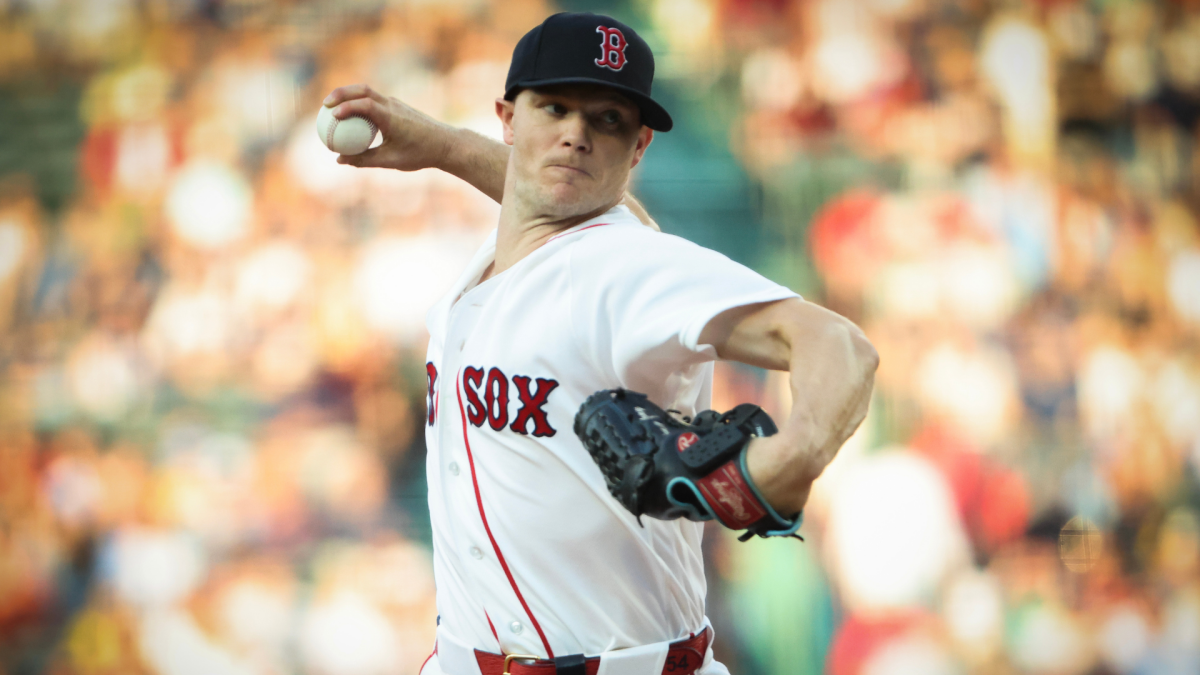
The Red Sox ace Sonny Gray sits atop Atlanta's trade wish list, and unlike most deadline targets, he holds the leverage. Gray's full no-trade clause is the nominal blocker, but The Athletic reports the Braves believe his Nashville roots make a move south palatable. That's not a small detail: at 36 with a 2.61 ERA over 89.2 innings, Gray carries legitimate contention equity, and the Cardinals are subsidizing $20 million of his $35 million salary. The Braves' pitching rotation has fractured mid-season—enough that adding a starter isn't a luxury, it's a necessity. Boston's recent surge (five consecutive wins, 10 of 12) has kept them in wild-card position, but the market knows the Red Sox's window for selling is closing by the day.
The mechanics here matter for deadline modeling. Gray's salary structure and the Cardinals' willingness to carry half the freight makes him cheaper than his performance suggests. Atlanta can acquire a genuine mid-rotation anchor without gutting the farm system—and the no-trade clause, paradoxically, may work in their favor by reducing his market value. Teams with lesser negotiating positions pay premiums. Meanwhile, the Braves' injury pile and recent underperformance create urgency that the marketplace hasn't fully priced yet.
On the flip side, Houston is signaling the opposite posture. The Astros have explicitly told Yordan Alvarez they will not trade him, regardless of deadline chatter. Alvarez, batting .310 with 29 home runs and a contract paying him $26 million through 2028, is the franchise cornerstone—not a pawn. Houston's messaging is corporate-speak for: we're buyers, not sellers. The AL's best record since May 22 and a climb back toward wild-card contention mean the Astros will pursue complementary talent, not trade their MVP candidate.
For bettors, these postures create asymmetric information. Gray's availability and the geography favorability narrow the buyer pool, which could suppress what he fetches on the open market—but that suppression already reflects in his single-season value. The real angle sits elsewhere: teams aggressive on the deadline (Atlanta included) tend to upgrade mid-rotation arms, which improves team total overs through the stretch. A Braves pitching addition doesn't immediately spike their team total, but it removes a catastrophic downside risk that's been priced into unders. Houston's stated buyer stance suggests elevated spend and lineup depth that favors their own overs.
The prop surface most sensitive to these moves involves team totals and winning percentage forecasts in late August and September. Gray to Atlanta would lower future Braves pitching variance (fewer implosion games), making their overs more reliable. Alvarez staying put eliminates Houston's only distraction—the organization can focus on contention without internal upheaval, which historically correlates with +2% to +4% win-rate improvement in the final 50 games.