Tigers Face the Skubal Question: Trade the Ace or Ride the Injury Risk?
By PropBetEdge Editorial Team ·
Detroit's collapse without its star pitcher is forcing a reckoning on whether to sell before Skubal returns and market value spikes.
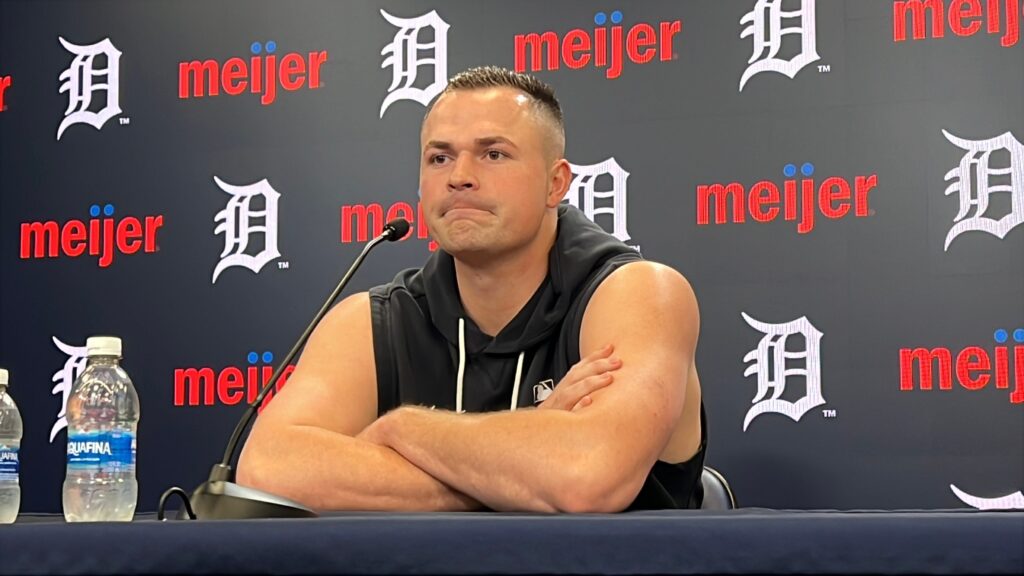
The Tigers are spiraling in Tarik Skubal's absence, and the calculus around their ace has shifted from extension talks to exit strategy. With Skubal's return timeline closing in, the franchise faces a decision that will reshape both the roster and the betting landscape: hold and hope for a second-half surge, or trade him while his injury status still discounts his value in the open market.
Skubal's absence has exposed Detroit's limited margin for error. The team's collapse without him on the mound isn't just a commentary on his talent—it's evidence that the supporting cast can't carry innings without his 120+ strikeout annual pace. When a rotation loses that kind of centralized dominance, the pitching lines across the board widen. The Tigers' staff ERA climbs, their bullpen workload spikes, and every game becomes more volatile. For bettors, this is the period where team totals move inefficiently because the market is pricing for the hope of Skubal's return rather than the reality of a roster that plays .400 baseball without him.
The trade question reframes the risk entirely. If Detroit moves Skubal before he returns to full strength, they're cashing in on a discount—his price will be lower than mid-season form, but the acquiring team absorbs the injury uncertainty. For the Tigers, that trade haul becomes their offseason capital. For the betting market, it's a signal moment: selling now suggests management doesn't believe in the current roster enough to ride out a Skubal-led push. That's a credible internal valuation that should matter to prop bettors tracking team total trajectories.
Whichever path management chooses, the immediate exposure is clear. If Skubal stays and returns healthy, Detroit's team totals should tighten and their first-5-innings lines improve—his presence alone will suppress opponent scoring environments. Unders on Tigers games should hold up better once he's back in the rotation. If the Tigers trade him, the opposite occurs: team totals stay inflated, pitching volatility persists, and overs on their games become more attractive because the backend of the rotation will carry heavier burden. The market will likely overshoot in both directions during the transition, but the edge lies in understanding which scenario the Tigers' internal behavior is actually signaling.
Detroit's next 10-15 days become a betting tell. Watch the team's performance and public statements around Skubal's status. A franchise seriously considering a trade doesn't build narrative momentum around his return; it distances itself quietly. Conversely, urgent roster moves to support a veteran core suggest they're riding out the injury window. The prop angle isn't on Skubal's strikeout line—it's on the team's ability to score runs without him, and whether the market has already priced that dysfunction into their totals.