Harris's Breakthrough Season Masks a Plate Discipline Problem That Limits His Ceiling
By PropBetEdge Editorial Team ·
Atlanta's outfielder is posting career-best numbers through 38 games, but his walk rate remains the structural flaw keeping him from elite consistency.
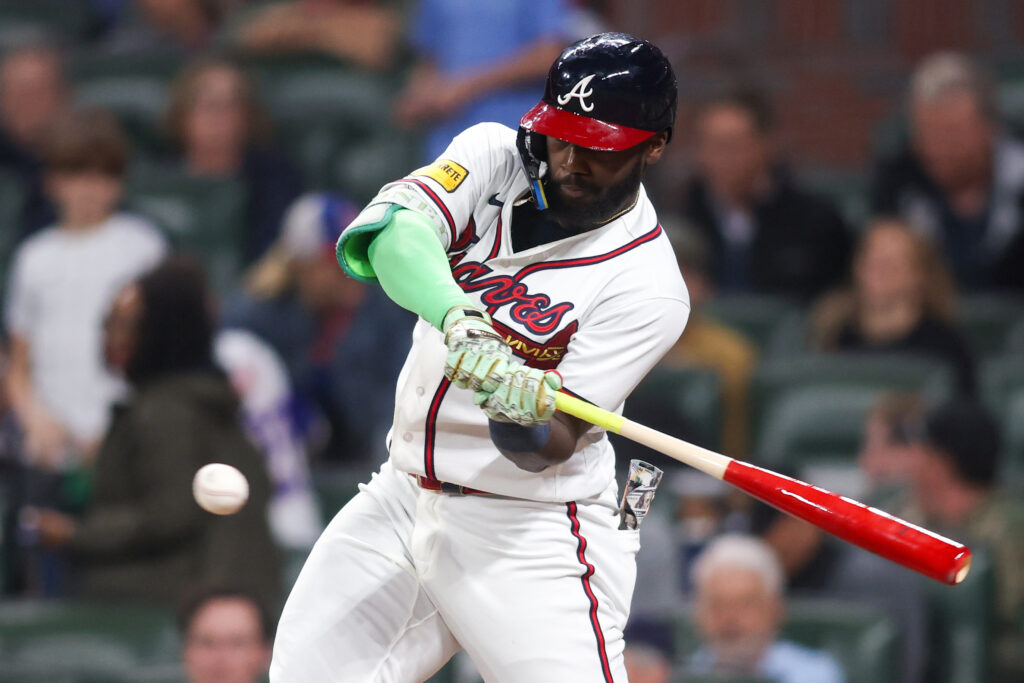
Michael Harris II went 4-for-4 against the Dodgers on Friday, extending his batting average back above .300 and cementing what looks like the best offensive season of his career. Through 38 games, the 25-year-old Braves outfielder is running a 139 wRC+—a meaningful step forward from his career trajectory and a sign that his prospect pedigree is finally translating into sustained production at the big-league level.
The numbers confirm the offensive improvement is real. Harris is making more consistent contact and driving the ball with authority; his exit velocity and barrel rate have both moved into respectable territory. For a player entering his fifth season with persistent questions about whether his tools would ever materialize, the breakthrough carries weight. Atlanta invested years developing him, and the payoff window is now.
But the foundation of his success—the surface-level batting average and power output—masks a material flaw that separates him from genuinely elite hitters. Harris's walk rate remains depressed. He's chasing pitches outside the zone at a rate that keeps his on-base percentage artificially suppressed relative to his batting average. This is not a new problem; it's been the through-line of his career. Even as his barrel contact has improved, his selectivity hasn't moved in tandem. That gap matters because it constrains his ceiling. Elite offensive seasons aren't built on batting average alone—they're built on the ability to punish mistakes AND avoid chasing. Harris does the former at an ascending level but continues to fail at the latter.
For prop bettors, this creates a specific angle: Harris's hit and batting average props should trade at a slight premium to his true underlying quality because his surface numbers are still inflated by good fortune on contact. When his BABIP normalizes—and it will—his batting average will compress. Meanwhile, his walk props should be heavily faded. His strikeout rate has stayed relatively flat even as his contact quality improved, meaning his K prop should track closer to his season average (around 4.2 per 9 innings) rather than dip in sympathy with his offensive surge. The disconnect between his hit streaks (which cluster around high-BABIP variance games) and his walk-rate consistency (which doesn't improve with confidence) suggests the market is pricing his recent success as a permanent skill upgrade when it's partly a timing phenomenon.
The Braves are getting real production from Harris right now, and that's valuable. But any bettor riding his hit or BA props into the longer term is buying into a version of Harris that his own approach—his refusal to take pitches and accept walks—won't sustain. His breakthrough is legitimate; his discipline limitation is real.