Senga's Rehab Ramp Begins: What a Controlled Return Tells Mets Bettors
By PropBetEdge Editorial Team ·
Kodai Senga's first minor-league appearance Friday marks a staged rebuild after lumbar inflammation, not an imminent rotation anchor.
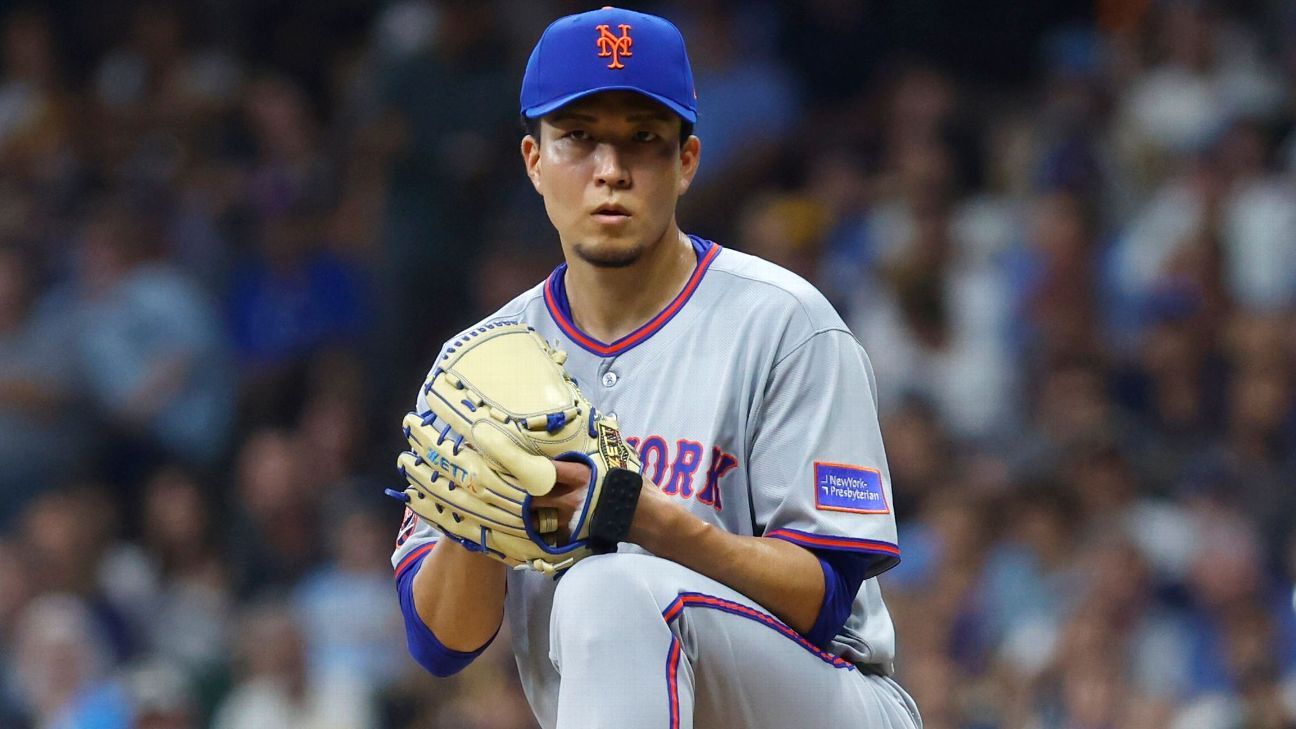
Kodai Senga makes his first minor-league rehab start Friday for Class A St. Lucie after a month away from competition due to lumbar spine inflammation. The Mets right-hander, per manager Carlos Mendoza, will throw between 50 and 60 pitches with a four-inning cap—a conservative pitch allotment that signals the team is prioritizing durability over velocity recovery. Senga hasn't pitched since April 26 and has posted a 9.00 ERA across five starts this season, a stark departure from his 3.39 career mark with the organization.
The timeline matters here. A 50-60 pitch outing against minor-league hitters does not correlate with a return to major-league games within a week or two. Mendoza's language—"he feels really good and he's ready to go in competition"—is permission to pitch, not a readiness timeline. Lower back inflammation in a pitcher is a structural vulnerability that teams rehab deliberately. A one-inning cameo Friday means Saturday and Sunday extensions, then likely another week of minor-league ramp-ups before a big-league activation is even discussed. The Mets will stretch Senga's workload methodically because a re-aggravation costs more than patience.
This methodical approach creates operational clarity for rotation construction. Jared Young (first base, meniscus tear) and A.J. Minter (left lat surgery) are described as "close to returning," which carries more immediate weight—Minter threw in back-to-back rehab games and is scheduled for another Syracuse appearance Saturday. But Senga's initial 50-pitch outing Friday is not a harbinger of Opening Day reliability. His stuff is present—a live-BP session confirmed it—but tournament-tested endurance after inflammation is distinct from regular-season workload. Mets bettors pricing Senga's return into rotation win totals over the next 10-14 days are borrowing trouble.
For prop purposes, Senga's absence continues to weigh on Mets pitcher-strikeout lines and team totals. The organization has leaned on secondary arms in his absence; when he does activate, he'll need a minimum three-start sample before his strikeout prop becomes reliable again. His 2023 All-Star season established a 9.2 K/9 baseline, but a pitcher emerging from inflammation-related rest doesn't recover strikeout capacity on schedule. The market will price a return aggressively the moment Mendoza confirms a date. Fade that urgency. Senga's first three starts carry execution risk that inflates strikeout volatility; the edge arrives in weeks 4-6 of his return, when both his usage and the books' respect for his health have aligned.
The Mets' bullpen will carry more rotation burden until Senga stabilizes. Bettors should monitor secondary-starter whip and relief-appearance clusters closely—innings compression increases both the injury risk and the run-suppression variability that blurs team-total analysis. Senga Friday is a data point, not a catalyst.