MLB · transaction
Mets Bet on Continuity With Green: What a Three-Year Manager Deal Signals for Roster Volatility
The Mets' move to lock in Andy Green through 2029 suggests ownership has accepted a rebuild timeline, not a quick fix—a structural shift with implications for next season's win totals and player development curves.
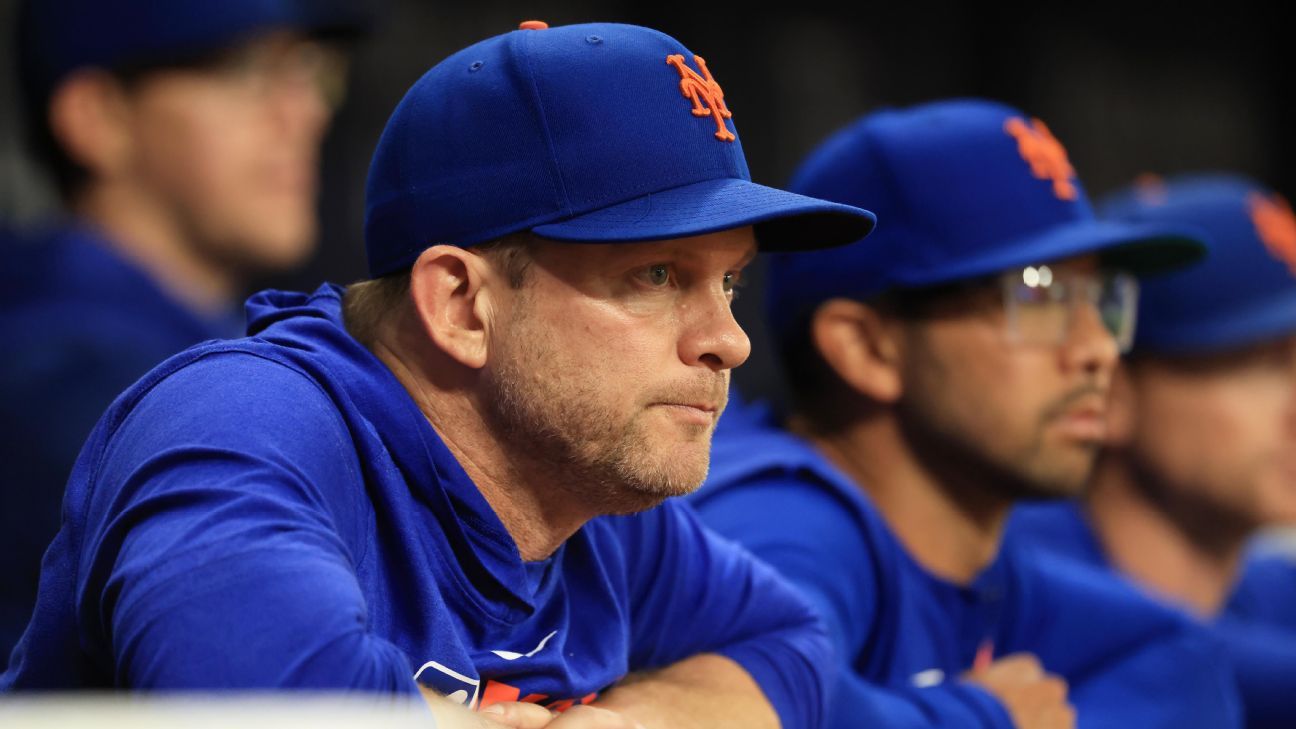
The New York Mets removed the interim tag from Andy Green on Tuesday, awarding him a three-year contract through the 2029 season. The timing underscores both the depth of this season's collapse and management's willingness to pivot toward process over panic. With six games remaining and a record that will finish well below .500, the Mets are cementing a managerial choice that, by traditional September-hiring logic, would have been premature. But the structure of the deal—three years, not one—tells a different story about how ownership now views the path forward.
Green inherited a 34-47 team in late June after Carlos Mendoza's dismissal. Since then, he's posted a 37-38 record against varied competition, including multiple playoff-caliber opponents in the second half. That .493 winning percentage over a compressed sample is the surface stat, but the real signal comes embedded in context: the Mets traded eight major leaguers at the deadline and deployed a largely reconstructed roster. Green's ability to maintain competitive balance amid turnover—and to develop young talent like right-hander Nolan McLean and outfielder Carson Benge into Rookie of the Year contenders—convinced ownership that continuity in management could accelerate a rebuild. Steve and Alex Cohen's statement cited "discipline, accountability and positivity," language that points to cultural repair rather than in-season heroics.
For bettors tracking organizational direction, this contract is a bet against 2026-2027 volatility. A three-year deal locks in a stable clubhouse authority through a period when the Mets will likely remain in payroll flux and continue cycling through prospects and reclamation projects. That stability has downstream effects on team totals and win expectancy. A team with constant managerial churn—firing after one season, hiring desperation candidates—produces wider variance in outcomes. A team with a stable, process-oriented manager running a rebuild tends toward more predictable underperformance early (lower team totals) followed by steeper improvement curves as prospects mature. The market will likely price 2027 Mets totals conservatively, anchored to this season's record and the continued absence of Juan Soto-level anchors. But if Green's development infrastructure bears fruit—if McLean and Benge accelerate into impact contributors—those totals could offer value at single-digit improvements. The edge isn't immediate; it's a multi-year arbitrage between a market pricing uncertainty and a front office betting on process.