Mets Lose Taylor to Hip Flexor Strain; Young, Minter Return to Shore Up Depth
By PropBetEdge Editorial Team ·
Tyrone Taylor's mid-game exit leaves the Mets scrambling to replace production from a struggling corner outfielder, while two roster moves inject fresh arms and contact into a lineup running thin.
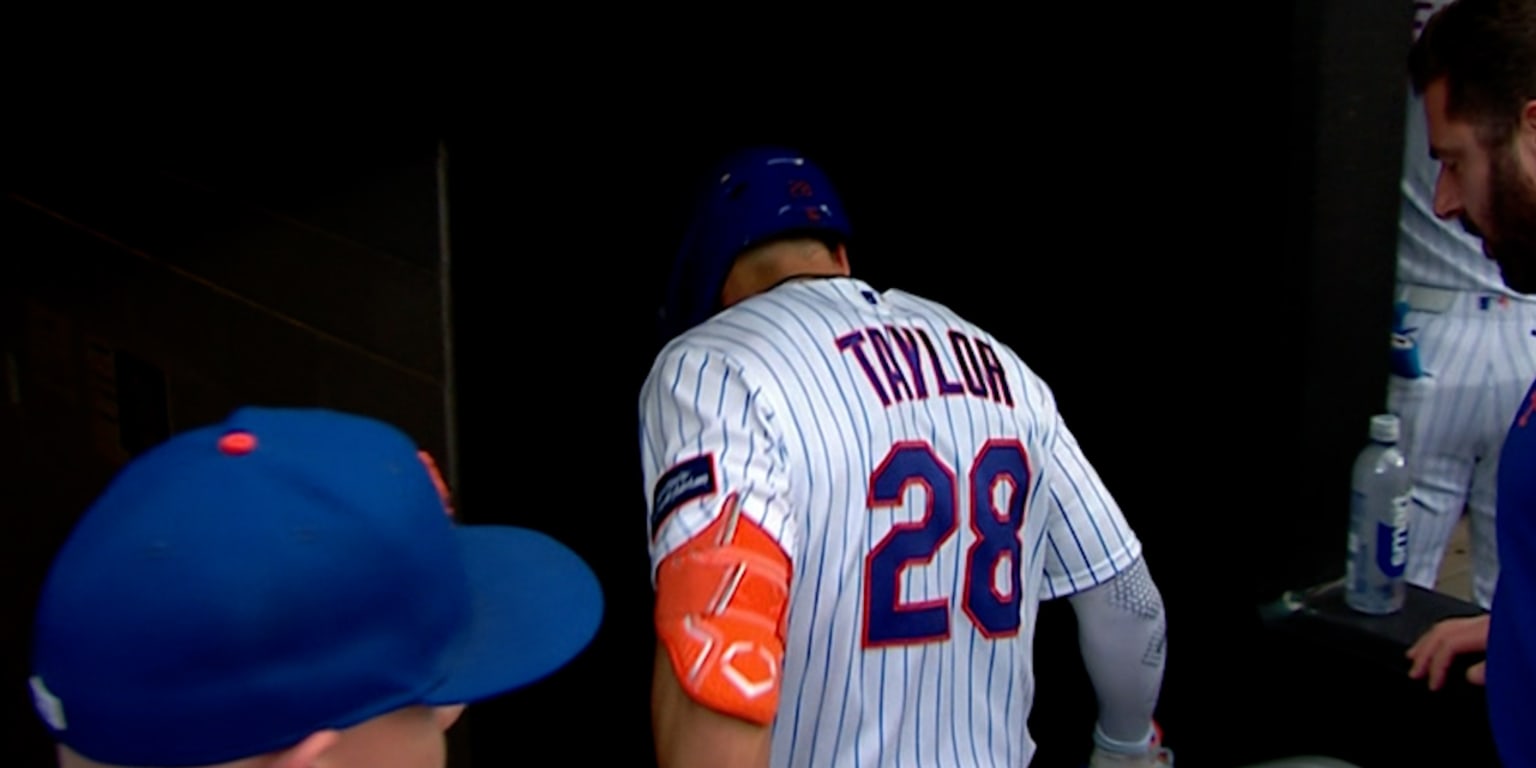
Tyrone Taylor exited Monday's loss to Cincinnati in the sixth inning after straining his right hip flexor on a groundout to third—a low-impact play that exposed a soft tissue issue enough to land him on the 10-day injured list before Tuesday's series continuation at Citi Field. The Mets responded with a flurry of roster adjustments: outfielder Nick Morabito was optioned after going hitless in 11 major league at-bats, A.J. Minter activated from lat surgery, and Jared Young returned from a meniscus tear with early-season momentum still in his favor.
Taylor's absence removes a player already operating far below baseline production. At .186 with a .530 OPS, he's been a black hole in the Mets' middle-order flexibility—a versatile defender who can line up at any outfield position but hasn't translated that utility into runs produced. His 14 RBIs across what appears to be regular playing time ranks among the lowest for corner outfielders in qualified at-bats. The hip flexor strain will sideline him for at least 10 days, meaning he misses a crucial stretch of games against a Reds team the Mets have already shown vulnerability against.
Minter's season debut—delayed by offseason lat surgery—represents the more significant move. A power arm out of the bullpen, his return should shorten the Mets' relief workload down the stretch, reducing the innings leaned on lesser-used relievers. Young's activation is a lower-leverage adjustment: he posted a respectable .350 batting average in April (7-for-20 with two doubles) before the meniscus injury and enters as a bench bat with upside if the Mets face a spike in injuries.
For bettors, the Taylor injury has minimal direct impact on moneyline or spread positioning—he wasn't a core component of the Mets' win probability anyway given his offensive output. The more subtle angle is on Mets team totals and scoring props in games where Young sees elevated at-bats due to injuries cascading through the outfield. Young's April performance suggests he hits left-handed pitching more effectively than Taylor does; if Cincinnati or future opponents send out southpaws, Young's presence should marginally improve the Mets' run projection. That said, the baseline expectation is that the Mets replace Taylor with bench depth, not a net offensive upgrade. Bettors leaning Reds unders in the series should avoid overcorrecting on a single injury; the Mets' offensive struggles predate this strain, and one reserve activation doesn't reset that equation.