Bichette's Four-Hit Night Doesn't Erase the Contract Problem
By Erik Schwartz ·
One explosive game against Seattle won't fix what's become a persistent pattern: momentum spikes followed by immediate collapse.
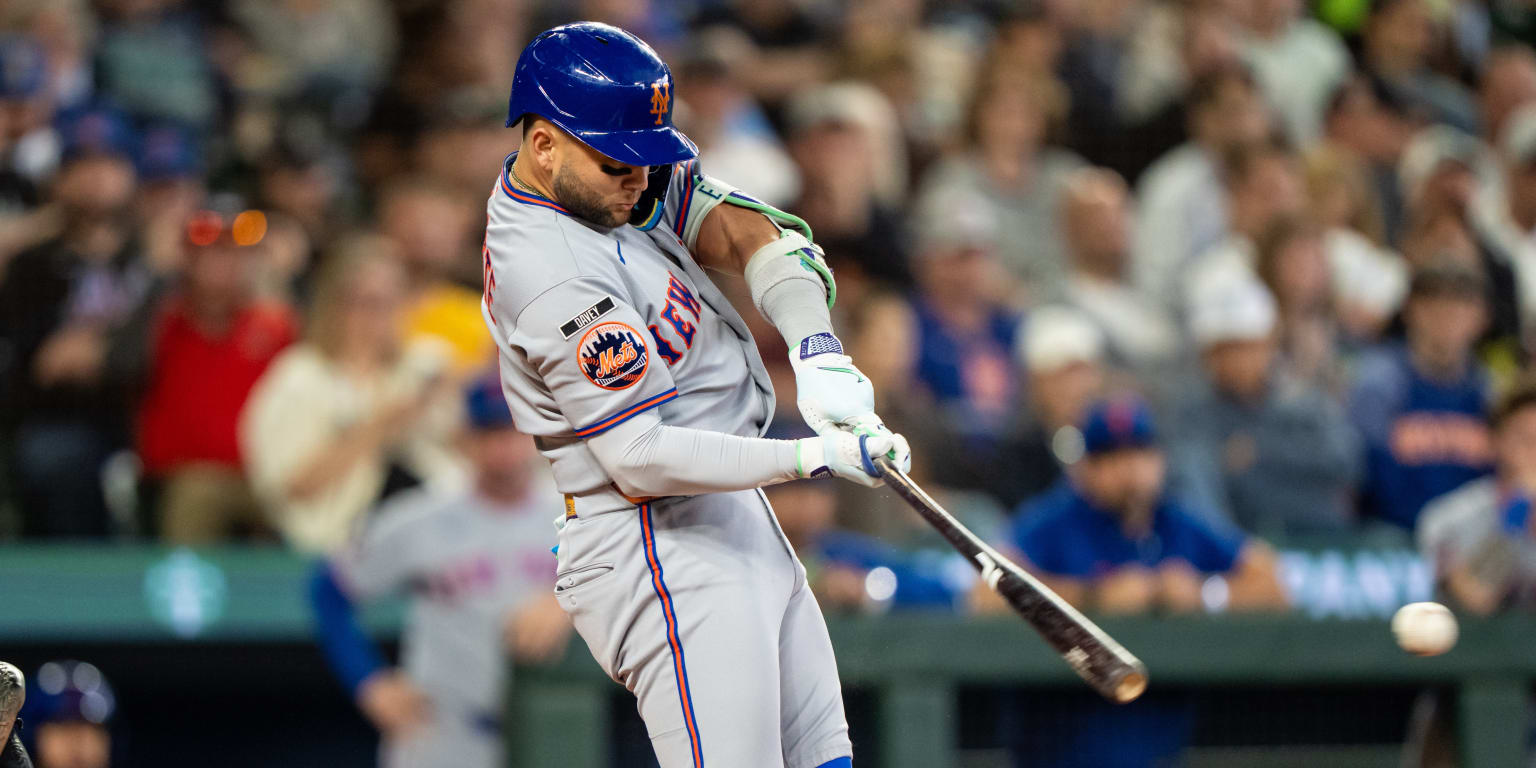
Bo Bichette went 4-for-4 with three RBIs in Wednesday's 7-1 Mets win over the Mariners, his first four-hit game in a Mets uniform and his 19th career performance of that caliber. The timing felt redemptive—Bichette had entered the game in an 0-for-16 slide with an OPS of .570, the kind of stretch that tests a team's patience with a player on a three-year, $126 million contract. His two-run single in the fourth inning with the bases loaded in a tie game proved decisive, and he added another single and a sacrifice fly to complete a near-perfect evening at the plate.
But here's the mechanical problem baked into how we should read this: Bichette has produced multiple four-hit games and hot streaks before this season, and each time the market and the public rallied around the idea that he'd "finally found it." Each time, the collapse came fast. A single dominant game—even a 4-for-4 showing—has almost no predictive power on its own. It's a variance spike, not a correction to the underlying hit tool. Bichette's season-long performance tells a different story than one night in Seattle. Coming into this game, his OPS sat at .570. That's not a slump; that's the player he's been. One game doesn't rebalance a three-year, $126 million contract.
What matters for betting purposes is whether this game signals a genuine mechanical adjustment or just another noise point in a season of stops and starts. The Mets will face temptation to lean bullish on Bichette prop lines in the next 2-3 games—books will almost certainly price up his hit total, RBI line, and run-scored line based on recency. Traders may stretch his implied batting average higher. But the causal mechanism that drives sustained improvement hasn't changed. Bichette still faces the same pitchers, the same defensive schemes, the same approach challenges that created the .570 OPS in the first place. Unless there's evidence of a swing adjustment or a shift in pitch selection, one four-hit game is what it is: a single outlier that will fade from the market within 48 hours, leaving early overs exposed and early unders looking prescient.
The sharper angle is to fade upticks in Bichette's individual props for the next three games—specifically hit total over 1.5 and RBI over 0.5—not because he'll immediately slump again necessarily, but because the market will overcorrect to Wednesday's performance, pricing a ceiling that regression probability doesn't support. His career trajectory shows cluster of hot games followed by extended cold stretches. The books know this too, but they'll move the line anyway to manage volatility. Getting short on that momentum move is the edge.