Mets Clear Roster Spot With Melendez DFA—Catching Depth Shuffle Opens Questions
By Ty Whitney ·
New York moves past a former prospect to make room for reinforcements, signaling a midseason recalibration of offensive construction.
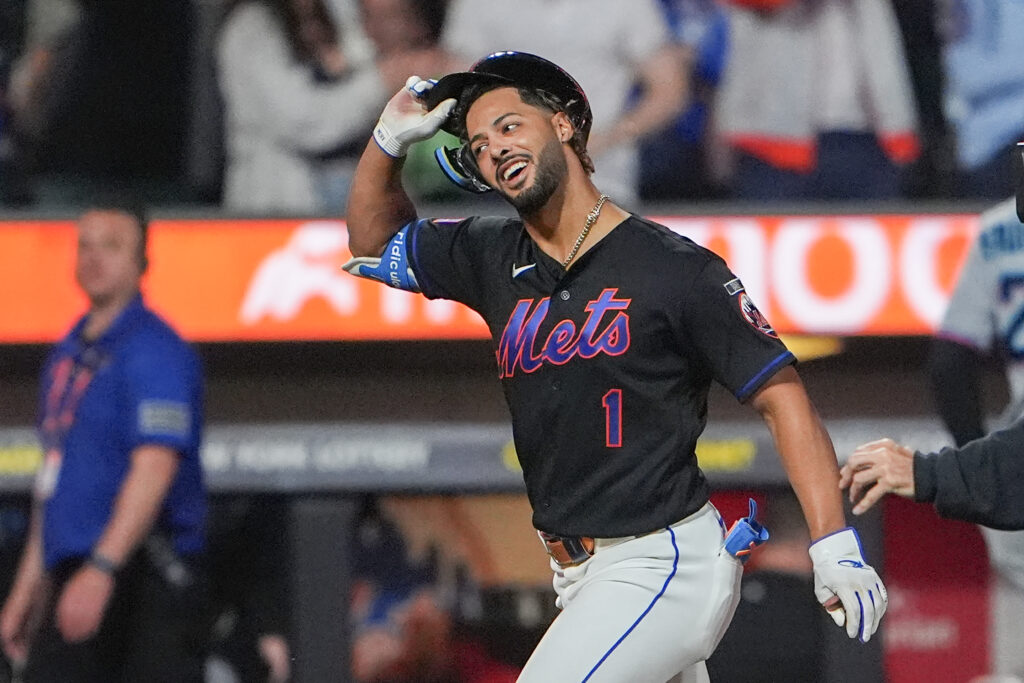
The Mets designated outfielder MJ Melendez for assignment on Sunday, creating the second 40-man roster opening in as many hours. The move follows the club's selection of right-handed reliever Robert Stock and utility infielder Bryce Conley—organizational depth moves that suggest New York is tightening its roster construction ahead of the August waiver deadline.
Melendez, 27, arrived in Queens with modest pedigree but carried the profile of a reclamation project. A former catching prospect in the Kansas City system, he transitioned to the outfield and has bounced between Triple-A and MLB appearances for three seasons. His bat has never fully materialized; a career .219 batting average across 156 plate appearances tells the story of a player caught between organizational depth and roster necessity. The Mets' decision to clear him rather than option him suggests they view the waiver wire as imminent threat—other clubs are more likely to claim a versatile depth piece than to let it pass through to minors reassignment.
From a roster construction lens, the back-to-back designations (Kevin Herget yesterday, now Melendez) point to New York's prioritization of fresh arms and positional flexibility over sunk cost. The front office is signaling confidence in internal pitching depth while gambling that neither Stock nor Conley will trigger claims. This is not panic—it's margin-building, the kind of housekeeping contenders execute when they believe the talent already on the active roster can carry the load.
For betting purposes, the immediate read is stable: Mets positional lineup composition doesn't shift meaningfully. Melendez accounted for negligible playing time and virtually no leverage in the batting order. His departure doesn't alter the franchise's offensive ceiling or floor, nor does it change pitcher workload distribution. Any lineup-dependent props—team totals, runs, RBI clusters—remain anchored to the same core offensive identity they held 48 hours ago. The real signal is organizational intent rather than immediate performance impact.