Mets Clear Roster Spot for Ewing; Ibáñez's Brief Experiment Ends
By Ty Whitney ·
New York's designation of the 33-year-old infielder signals a pivot toward youth and removes a sunk-cost depth piece from the lineup equation.
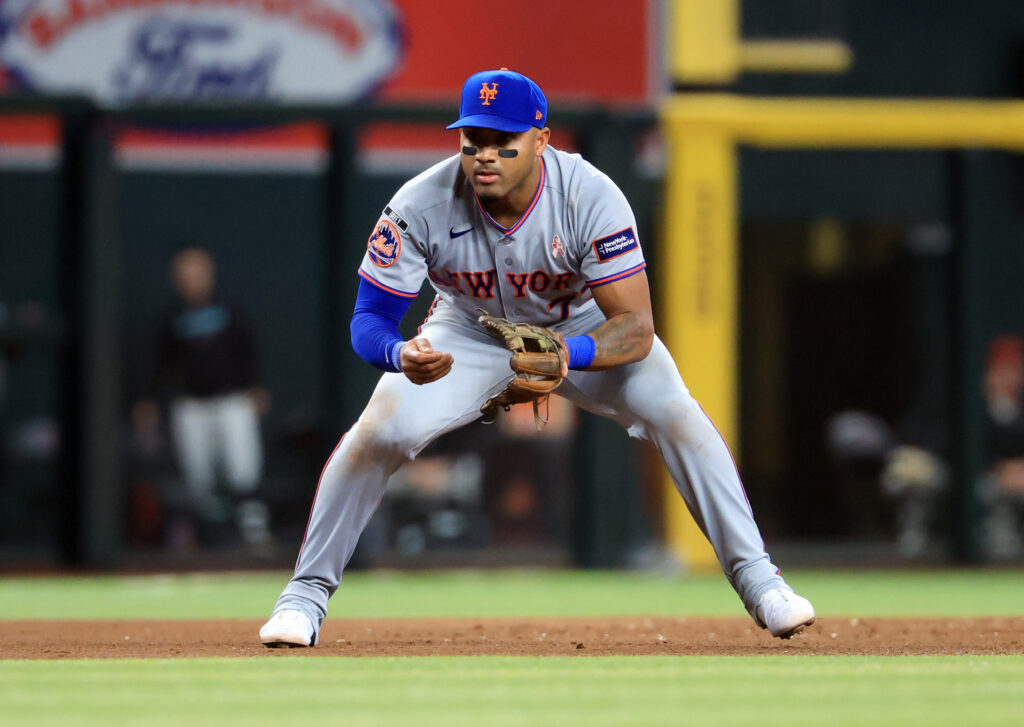
The Mets designated Andy Ibáñez for assignment Tuesday, officially clearing a 40-man roster spot for top prospect A.J. Ewing. Ibáñez, claimed off waivers from Oakland less than a month ago, played in only a handful of games for New York before the organization determined the experiment wasn't worth continuing. At 33, with a career .236 batting average and diminishing offensive value, Ibáñez represented the type of low-upside depth signing that consumes organizational capital without producing measurable returns.
The move itself is straightforward roster management—the kind of transaction that happens dozens of times across baseball each spring and summer. What matters for the Mets' forward trajectory is what they're making room for. Ewing, a prospect with meaningful upside, gets an expedited path to the majors. This suggests the organization's patience for non-performing veterans, even fill-in utility types, has evaporated. It's a hard reset signal: the Mets are willing to cycle through roster bodies faster than they did even a few weeks ago.
For bettors, the tactical implication is modest but real. Ibáñez's departure doesn't meaningfully alter the Mets' lineup construction or their offensive profile—he wasn't a lineup regular—but it does confirm the team is accelerating the integration of younger talent and de-prioritizing veteran depth. That's a cultural shift that can bleed into lineup composition across multiple games. If the organization is moving faster on upgrades at the fringe positions (second base, third base, backup outfield), then the Mets' offensive ceiling in the weeks ahead depends more heavily on whether those prospects produce immediately.
The betting question hinges on whether Ewing's arrival changes the team's run environment. If he slots into a semi-regular role and outperforms Ibáñez—a low bar—the Mets' team total and run-scoring props could tick upward incrementally. However, the sample size is still small; prospects converting to consistent major league production is not a given. Watch the first week of Ewing's playing time for plate discipline and contact rates. If he looks overmatched early, the boost evaporates. If he takes walks and makes solid contact, even in a limited role, the team total picture improves slightly. For now, treat Ibáñez's departure as a minor bullish signal on Mets offensive upside, but one that requires Ewing to validate the bet.