MLB · injury
Mets' Offensive Explosion Masks a Season in Freefall—But Short Streaks Don't Fix Division Math
New York's 15-hit, 11-run dismantling of Pittsburgh follows a Cleveland sweep, yet the Mets remain 15 games out of first place with 43 games left.
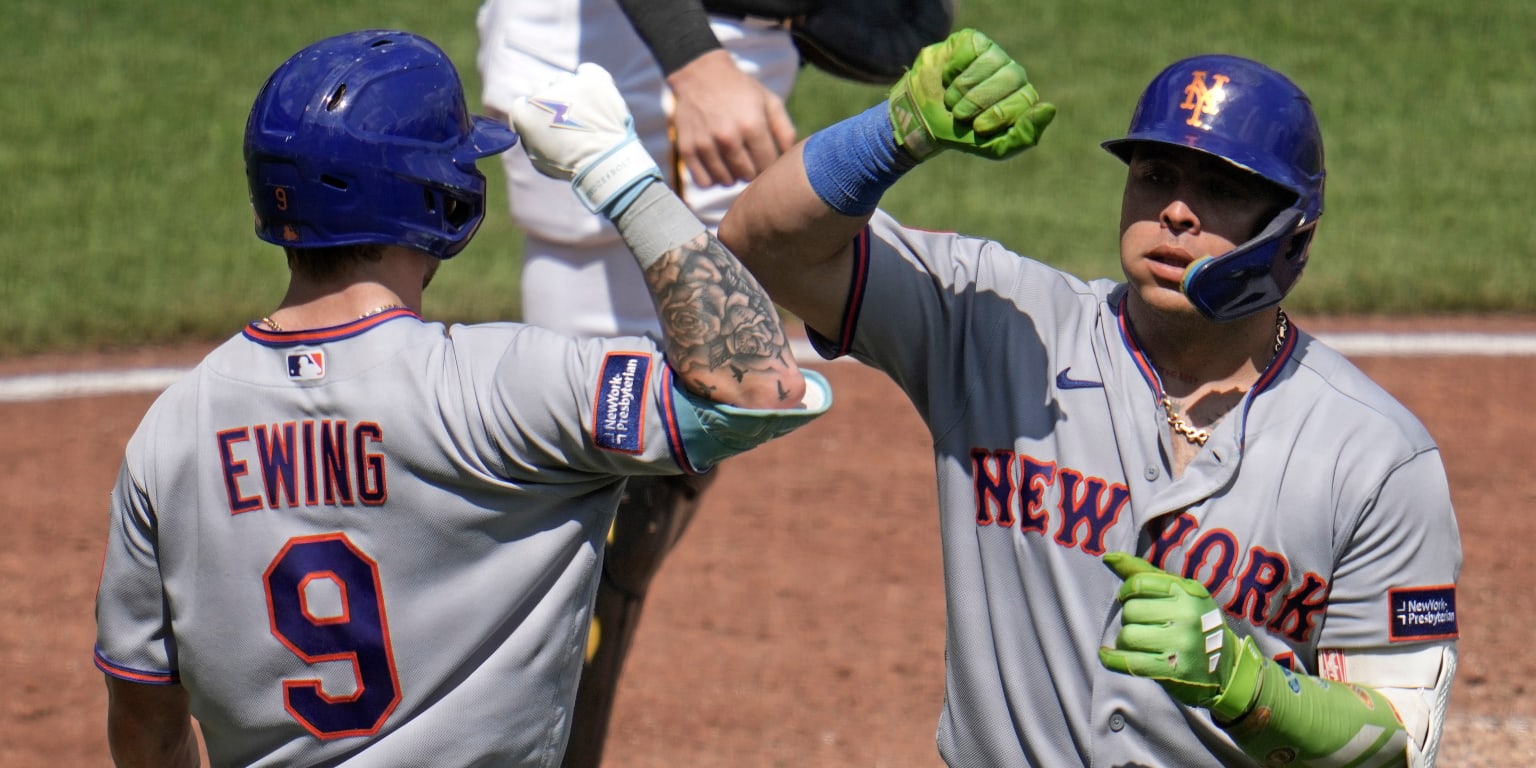
The Mets routed the Pirates 11-1 on Sunday at PNC Park, capping a two-of-three series win that extended their recent offensive renaissance. After sweeping the Guardians in Cleveland earlier in the week, New York has found the kind of consistent run production that was nowhere to be found through July. Luis Robert Jr. and Francisco Alvarez each hit home runs. Bo Bichette went 5-for-5 with three runs and three RBIs on a bases-loaded double. Jared Young collected three hits. The lineup generated 15 total hits and drew enough contact to bury an inferior Pirates rotation.
On the mound, Sean Manaea delivered the kind of dominant start the Mets desperately need: seven innings, three hits, one run (a solo homer from Jake Mangum), 11 strikeouts, zero walks. That performance—plus the velocity and command in the zone—is the template for what a functional Mets rotation looks like when the ball parks right. Manaea's strikeout rate and contact management have remained steady even as the team's record cratered to 52-67. Jack Weisenburger made his MLB debut out of the bullpen, handling the eighth and ninth without issue.
The context matters: the Mets are in last place in the NL East, 15 games behind the division-leading Braves. They have 43 games remaining. One week of strong offensive output—even a full sweep plus a blowout—does not reframe a season defined by underperformance and deadline trades that signaled organizational acceptance of the tank. The sweeping of Cleveland and the 11-run victory over Pittsburgh are real games, real runs, real strikeouts. But they are also noise in a 162-game sample where the Mets have been mediocre or worse for five months.
For prop bettors, the key signal is volatility, not direction. Manaea's 11K performance was excellent, but it came against the Pirates—a team ranked bottom-three in strikeout avoidance. His K line should have been elevated going into this matchup on the basis of opponent quality alone, not because his stuff suddenly shifted. When the Mets face the Braves in Atlanta on Monday night, the competition tier jumps. Atlanta's contact approach is tighter; their zone discipline forces pitchers to work deeper into counts. Manaea's strikeout volume against Atlanta will likely regress to his season baseline of 8.2 K per nine innings, not the 14-K-per-nine pace he posted Sunday. Similarly, the Mets' offensive explosion had multiple contributors (five different players with hits, three with extra-base production), which distributes risk across the lineup but also suggests this was a team effort against a weak opponent rather than a sustainable breakthrough. Robert and Alvarez will face a Braves bullpen that has a 2.87 ERA with strikeout rates in the top 10 of baseball—a stark contrast to Kirby Yates and the Pirates' relief corps.
The betting angle here is fade the extrapolation. Books will have marked up Mets team totals and individual K props based on the weekend offensive and pitching showcase. That's correct market behavior given the surface numbers. But a 52-win team does not become a 65-win team because of one series, and a pitcher's K rate does not sustainably inflate because he faced the Pirates. The Mets' run continues in Atlanta, but the margin of victory and the volume stats contract back toward season norms.
MLB Intelligence — Baseball intelligence beyond the box score. Open MLB Intelligence →