McLean Implodes Against Reds: Shortest Start Signals Deeper Control Problem
By PropBetEdge Editorial Team ·
After five runs allowed in two starts spanning ten days, Nolan McLean is showing signs of mechanical breakdown that betting markets haven't fully repriced yet.
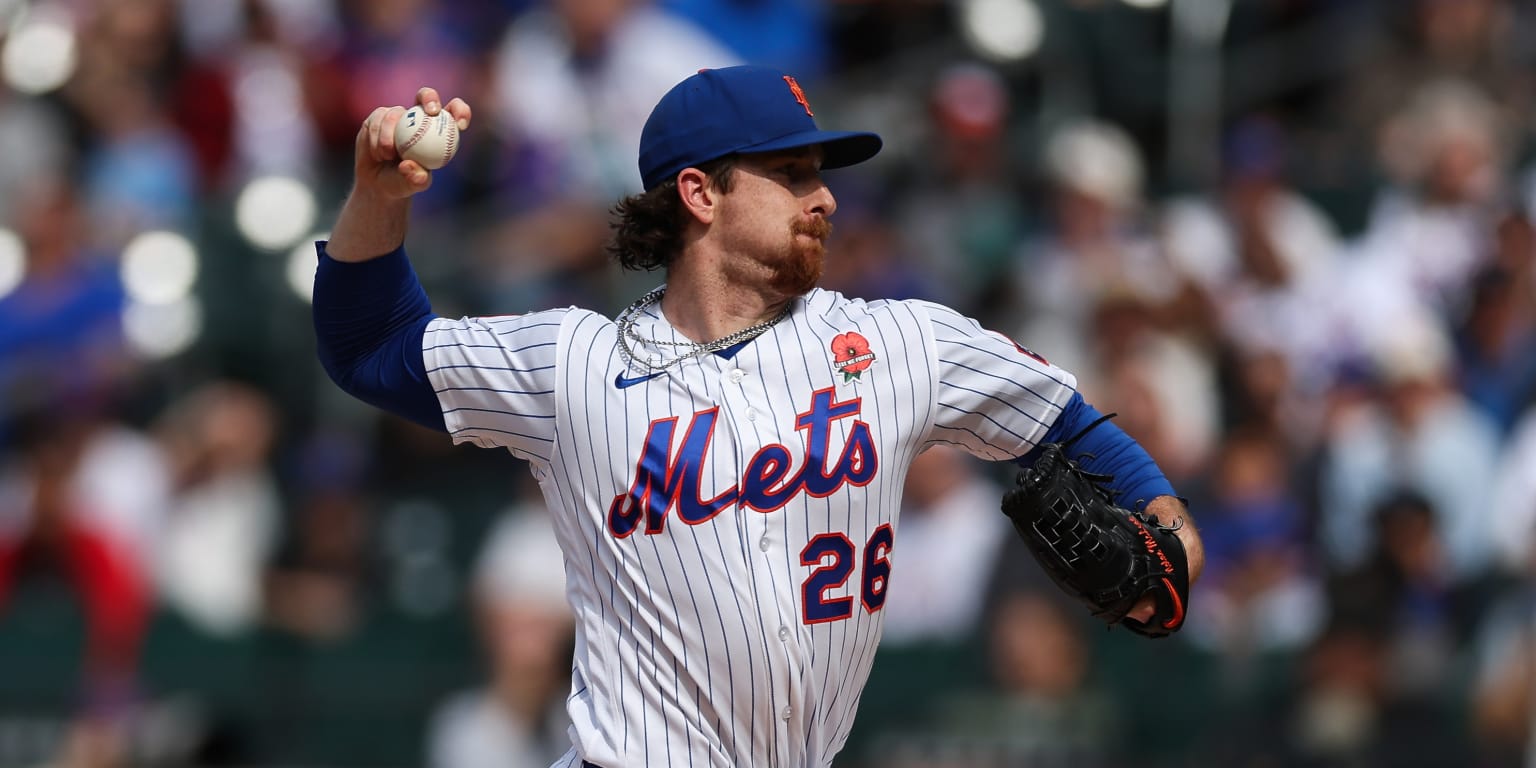
Nolan McLean lasted 3⅓ innings Monday against Cincinnati, surrendering seven runs and watching his ERA spike from 3.57 to 4.40 in a single outing. The collapse was swift: strike out the side in the first, then hemorrhage two runs in the second on a Suárez wild-pitch score, a Bleday solo shot in the third, and a four-run fourth headlined by Tyler Stephenson's two-run blast. McLean was pulled after hitting Blake Dunn, marking his shortest career start and arriving just five days after allowing nine runs (six earned) against Washington. That's 16 runs in 7⅔ innings across consecutive poor outings—a velocity and location breakdown, not variance.
The mechanics here matter more than the box score. McLean opened strong (three strikeouts in the first), which means the problem isn't stuff—it's command deterioration or mechanical inconsistency bleeding into middle innings. Wild pitches, home runs over the heart of the plate, and hit batters don't happen to healthy pitchers with working mechanics. The Reds specifically attacked early in counts after the first frame, suggesting they recognized he wasn't hitting his spots. A pitcher who can carve up the first inning but gets shelled by the fourth is one whose release point, stride length, or follow-through is sliding between innings—something that typically requires a bullpen session or minor-league rehab to address, not a single extra day of rest.
From a betting perspective, this creates a narrow window. If McLean stays in the rotation for his next start (likely 5–7 days out), the market will probably overcorrect on his pitcher strikeout prop and ERA-next prop, pricing in worst-case outcomes. That's a fade. His strikeout line will compress artificially low because of two catastrophic starts; his ERA prop will assume continued degradation. But the durability risk is real: if he pitches again before mechanical adjustment, unders on his innings pitched become live. The sharper angle is position-specific. Teams facing McLean in his next 2–3 starts will have video of him struggling to locate after the first; they'll attack fastball counts early, elevate against breaking pitches, and hunt first-pitch fastballs. Look for elevated home-run rates against him and compressed strikeout totals until he either resets mechanically or drops into the bullpen.
His ERA bleed (0.83 swing in one start) is a volatility event, not a trend—unless the mechanical issue persists. The betting lesson: don't assume a pitcher's true talent has collapsed because two starts looked ugly. Instead, track whether the next appearance shows the same tells (wild pitches, elevated fastball zone, walks early in at-bats). If those repeat, the unders and fade angles hold water. If he comes out touching corners and pounding the zone in the first three innings, the overcorrection already priced into his props becomes the actual edge.