Mayo's Second-Deck Blast Exposes Orioles' Platoon Math—And What It Means for His Role
By Erik Schwartz ·
Coby Mayo's rare 420-foot home run off the bench underscores Baltimore's vulnerability against left-handed pitching and signals opportunity for contrarian bets on his pinch-hit production.
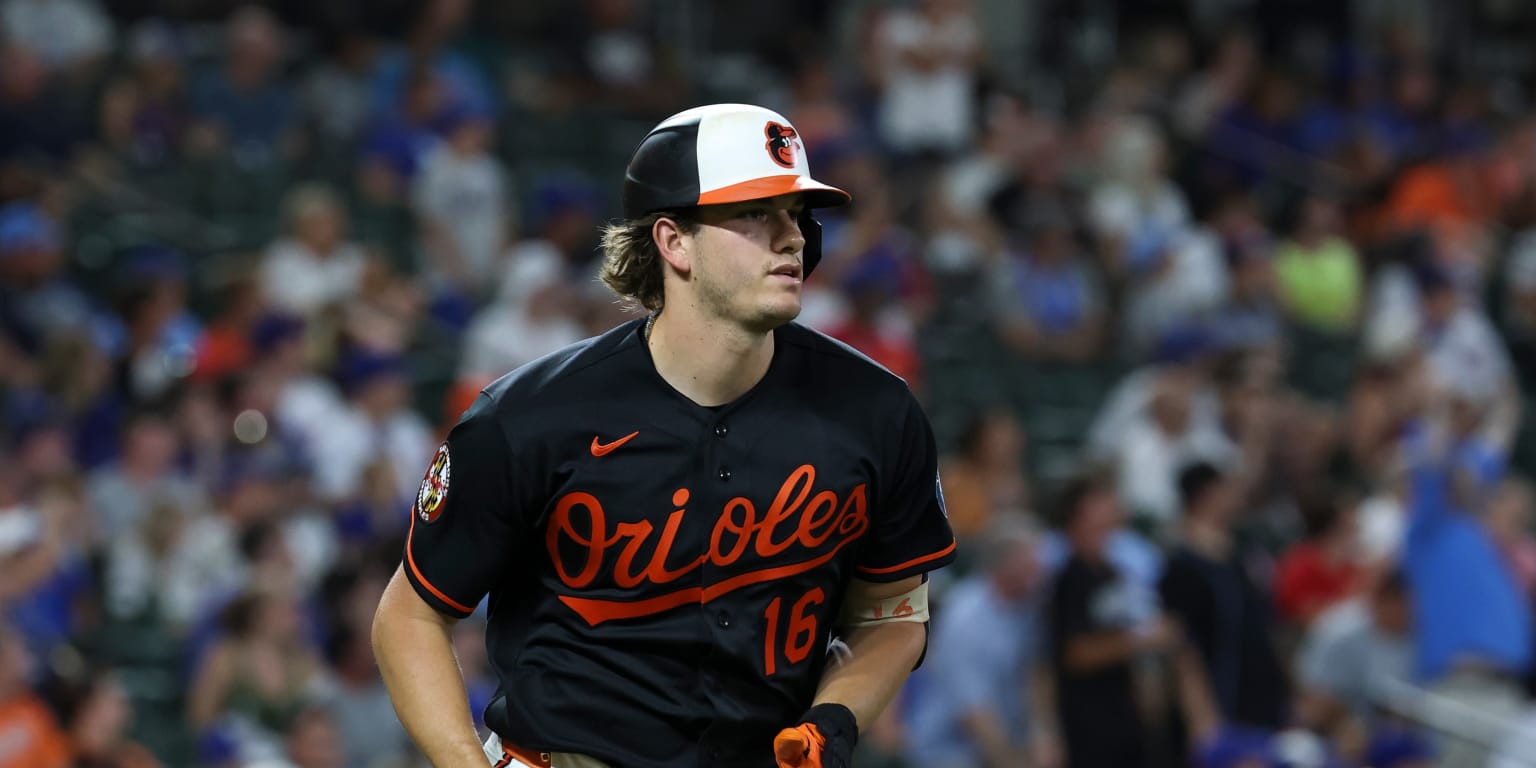
The Cubs dominated Camden Yards on Wednesday night, hitting four solo home runs and breaking open the game with a five-run seventh to defeat the Orioles 9-7. But for bettors tracking bench production and platoon splits, the headline was Mayo's solo shot in the eighth inning—a 113-mph, 32-degree laser that landed in the second deck in left field, only the eighth such blast in the ballpark's 34-year history.
Mayo's feat carries real strategic weight. The 24-year-old right-hander came off the bench specifically because the Cubs brought in left-handed reliever Caleb Thielbar. That decision wasn't random. Through the first third of the season, Mayo has crushed left-handed pitching (.294 average, 1.098 OPS in 77 plate appearances) while struggling badly against righties (.147 average, .446 OPS in 164 PA). Eight of his 11 home runs have come off southpaws. The Orioles' coaching staff clearly identified the matchup and deployed him accordingly—and he delivered a homer that may never be forgotten.
But here's where the narrative gets interesting for prop bettors. Mayo's power against lefties is real, but it exists inside a fragile profile: he's a bench player on a team that has already gotten multi-homer games from reserve hitters twice in five weeks (Tyler O'Neill went deep twice on Wednesday alone; Ramón Laureano had two on April 19). Pinch-hit home run prop lines are rarely published for players outside the daily rotation, and when they are, they're priced on volume assumptions that don't match the frequency of bench deployment. Mayo won't face enough left-handed relievers in key situations to sustain a repeatable edge.
What matters more for sharper bettors is the inverse signal: the Orioles' inability to construct a top-tier offense despite several young power bats suggests their team-total lines are overpriced when facing strong left-handed pitching. On nights when Baltimore's opponent is a southpaw starter or bullpen-dependent, the O's batting order will lean heavily on right-handed bats, and Mayo's presence in a limited role won't offset the gap created by the team's right-handed weakness. Wednesday's 9-7 loss, despite three pinch-hit home runs, is exactly the template: raw power output masked organizational offensive fragility.
Mayo's second-deck blast will be replayed often, and it will tempt sportsbooks into overestimating his everyday value. Resist that. The real angle is fading Orioles team totals (specifically unders at 4.0+ runs) when they face left-handed starters, particularly in the coming weeks before the trade deadline when the roster composition remains unchanged. Mayo's isolated production off the bench won't be a reliable anchor for team-total overs.