Red Sox Lose Mayer to Stress Fracture; Cheng Activation Tests Depth at Middle Infield
By PropBetEdge Editorial Team ·
A bone stress reaction sidelines Boston's promising young infielder just as the team enters a critical stretch of the season.
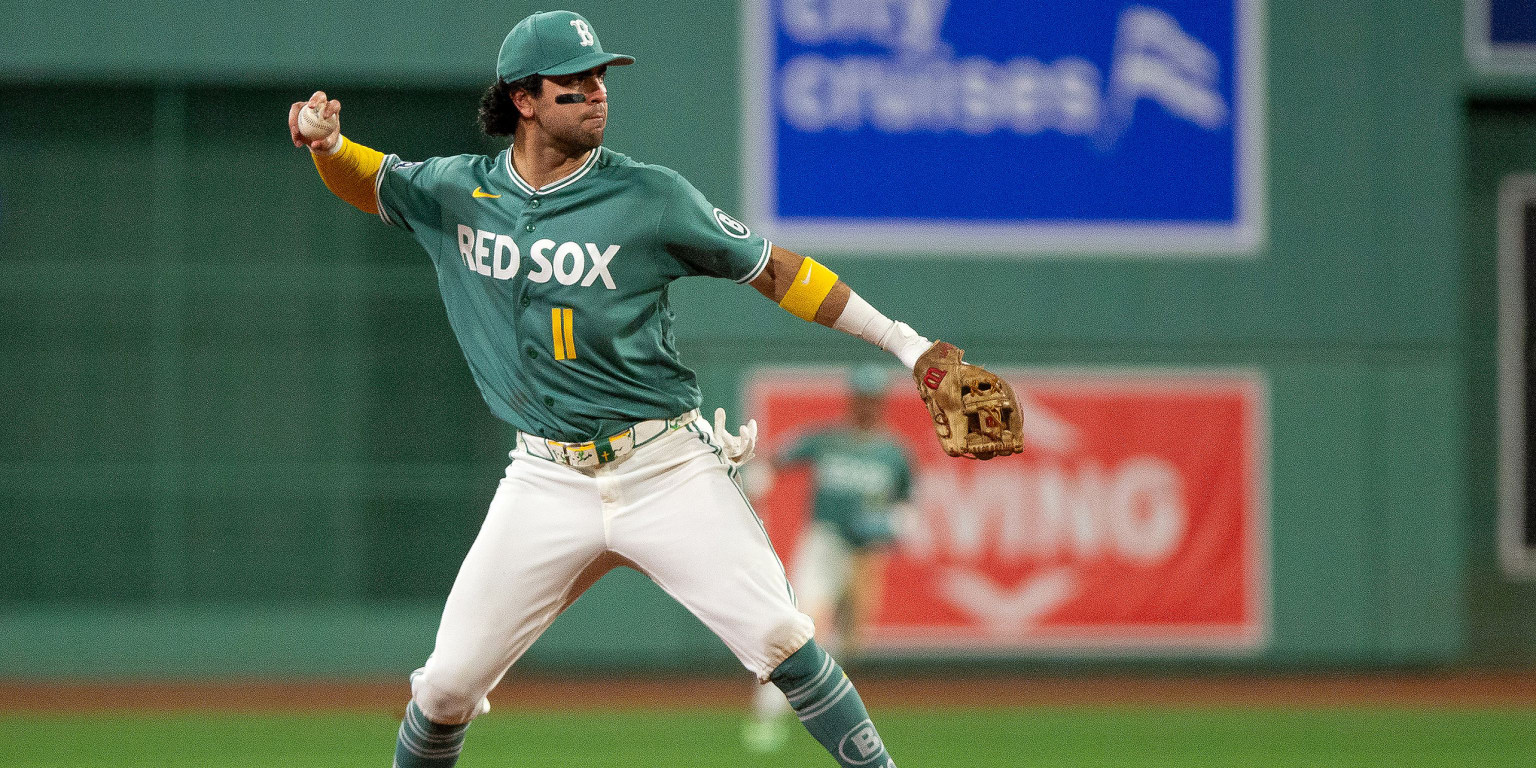
Marcelo Mayer is headed to the injured list with a bone stress reaction in his left ulna, the Red Sox announced Friday. The 23-year-old has appeared in 70 games this season with 39 starts at second base and 20 at shortstop, posting a .220 average with 3 home runs, 10 doubles, and 22 RBIs across 114 career major league games. To fill the roster spot, Boston recalled Tsung-Che Cheng from Triple-A Worcester.
The timing compounds an existing vulnerability. Mayer was drafted fourth overall in 2021 and remains a cornerstone piece of Boston's rebuild, but his 2026 season has already been marked by offensive inconsistency—a .220 average and three home runs through 70 games suggests a player still searching for timing at the plate. A stress reaction in the forearm, not an acute fracture, typically implies cumulative wear from high-intensity activity; the 10-day IL stay suggests the Red Sox expect a relatively swift return, but stress injuries carry reinjury risk if the underlying mechanics or workload aren't addressed. The ulna is the load-bearing bone in the forearm during the swing, which makes this injury site particularly relevant to a hitter's trajectory.
Cheng, 24, provides organizational depth but represents a meaningful downgrade in upside. The Taiwan-born infielder was claimed off waivers from Washington in February and has batted .254 with 34 runs in 64 Triple-A games this season. He made his major league debut in 2025 with Pittsburgh—three appearances total—before landing in Boston's system. He'll slot into the same role Mayer occupied: a versatile middle-infield fill who can play shortstop or second. The Red Sox are essentially banking on a minor league contributor to stabilize a position group that hasn't delivered production at the plate.
From a betting perspective, the injury reshuffles Boston's offensive composition heading into a weekend series against New York. Mayer's departure removes a left-handed bat from the lineup mix, which matters less in terms of volume—Cheng can occupy the same defensive spots—but more in terms of patience and power ceiling. Mayer's 19 runs scored in 70 games traces to limited on-base rate, not speed; Cheng's .254 Triple-A average provides no reason to expect better contact management. For Boston's team total props, expect modest contraction. Cheng's offensive profile does not compensate for Mayer's lost potential; even a struggling Mayer carries upside that a career minor-league depth piece does not. If Red Sox team totals for this weekend were priced at 4.5 or above, the margin shrinks. Additionally, shortstop/second base run-production totals (RBI/runs scored for whoever fills that spot) should tighten as well, since Cheng's historical output does not justify the pricing that Mayer, a higher-pedigree prospect-turned-major-leaguer, would have carried.
The 10-day window provides some clarity on recovery timeline. If Mayer responds to rest and load management without setback, he could rejoin Boston in early July. The Red Sox will monitor re-injury risk closely; stress reactions in the swing mechanics can resurface if the player returns too aggressively or if the underlying issue—bat speed, timing, or swing plane—remains unaddressed. Until Mayer clears the IL and posts at least 10 consecutive games without limitation, assume Boston's middle-infield offensive ceiling is constrained. That filters into team total modeling and daily-game prop selection throughout the recall period.