Royals' One-Run Mastery Against Detroit Sets a Pinch-Hit Betting Pattern Worth Tracking
By Ty Whitney ·
Kansas City has won seven straight games decided by a single run, with bench players driving late-inning moments—a structural advantage that's reshaping how to value their pinch-hitting depth in tight contests.
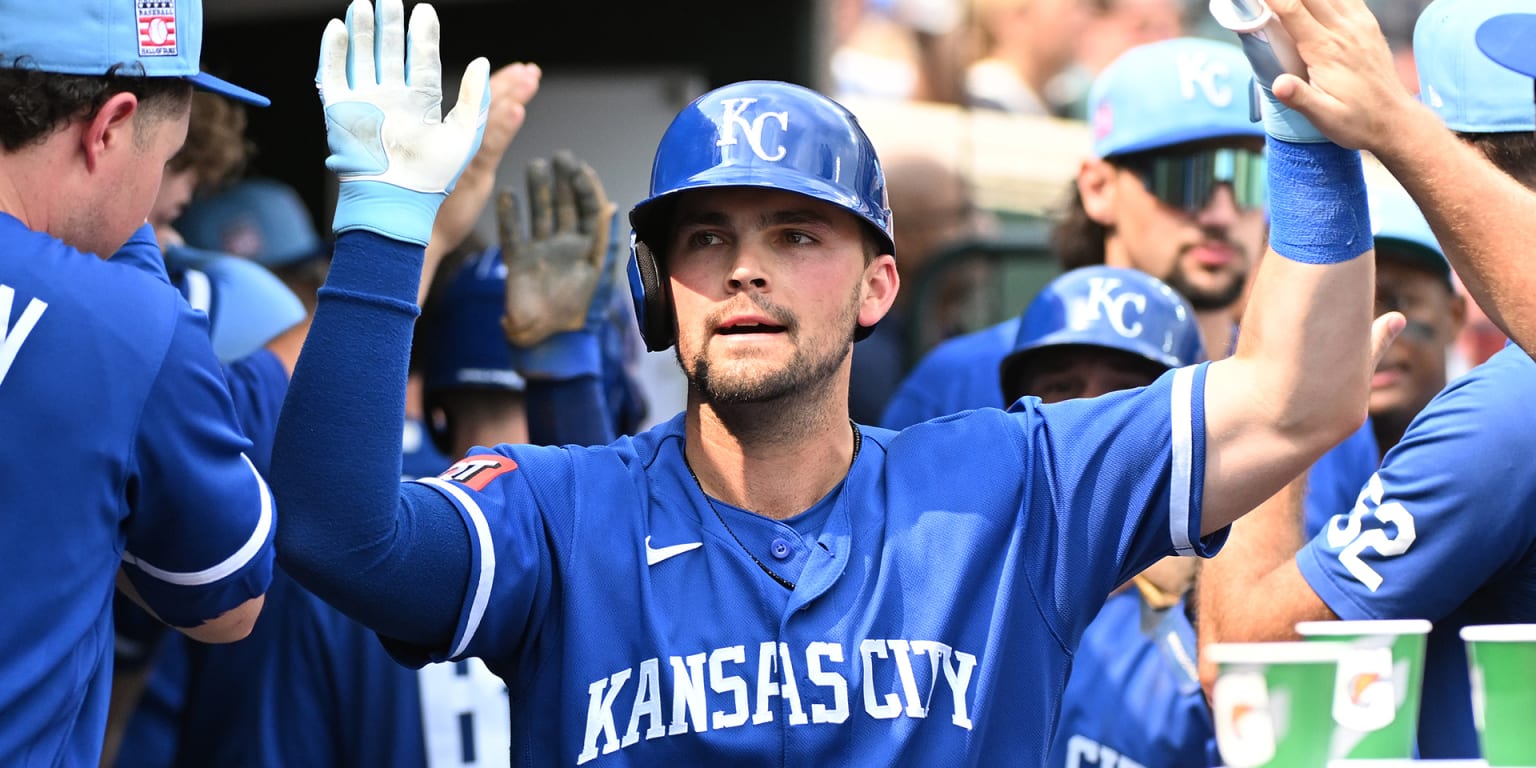
Michael Massey's two-run homer off Tigers reliever Drew Sommers in the eighth inning gave Kansas City a 5-4 victory at Comerica Park on Sunday, extending a remarkable run of one-run game execution. The Royals are now 7-3 since the All-Star break, with seven consecutive contests decided by a single run and five come-from-behind wins in the sixth inning or later. That's not noise. That's a repeatable skill set, and it's being driven by a bench rotation—led by Massey and catcher Luke Maile—that's primed for exactly these moments.
Manager Matt Quatraro's deployment philosophy is built on a specific premise: keep the starting lineup fresh enough to execute late, but weaponize the bench on matchup grounds when the opportunity presents itself. Massey didn't start against Tigers left-handed starter Framber Valdez, but Quatraro had him ready. When the Tigers brought in lefty reliever Sommers in the eighth, Massey was already warm, already mentally locked into the at-bat, and already calibrated to the pitcher's tendencies. He saw a low slider and lifted it 399 feet for the decisive margin. That sequence—bench depth + matchup activation + clean execution—has repeated itself five times in Massey's last seven games.
Detroit's side of the ledger is harder to ignore. All seven games between these teams at Comerica Park this season have been decided by one run, a two-year pattern of even matchups that manager A.J. Hinch has acknowledged publicly. The Tigers scored four in the fifth inning off Royals starter Luinder Avila and reliever Matt Strahm, aided by a miscommunication between shortstop Tyler Tolbert and second baseman Andrew Velazquez on a potential double-play ball with the bases loaded. But Kansas City's back-end arms—Erceg, Pearson, Schreiber, and closer Steven Cruz—shut the door in the final four innings despite the Tigers threatening in each frame. The margin of victory was one swing.
For prop bettors, this pattern surfaces a durable edge: Royals games at Comerica Park are structurally primed for unders or tight run-total outcomes because both offenses are generating scoring opportunities but the pitching—especially late relief—is suffocating them. The Tigers and Royals have combined for just 18 runs across their last three games here. More directly, bench hitters like Massey are accumulating plate appearances in high-leverage spots (sixth inning or later, runners on) at a rate well above their seasonal average. In seven games since the All-Star break, Massey has recorded three go-ahead hits and one tying hit in the sixth inning or later. That's a pinch-hit hit rate of 40 percent in clutch windows—a departure from his season line that won't hold, but the underlying usage pattern (benching him against lefties, deploying him against reliever switches) will.
Kansas City enters the Aug. 3 Trade Deadline with a 45-62 record but genuine momentum in close games. That momentum is real because it's built on execution, not luck—the pitching depth is sound, the bench has situational awareness, and Quatraro's matchup discipline is reducing variance. Unders on Royals-Tigers games have value through the season, especially when Detroit returns to Kansas City. Massey's homer was the symptom; the one-run game structure is the disease that keeps rewarding under bettors.