Triple Play Stops Astros' Rally Cold, but Marlins Fall in Eighth-Inning Killer
By Erik Schwartz ·
Miami's defensive gem against Altuve kills a threat but can't spark an offense that's now lost eight straight.
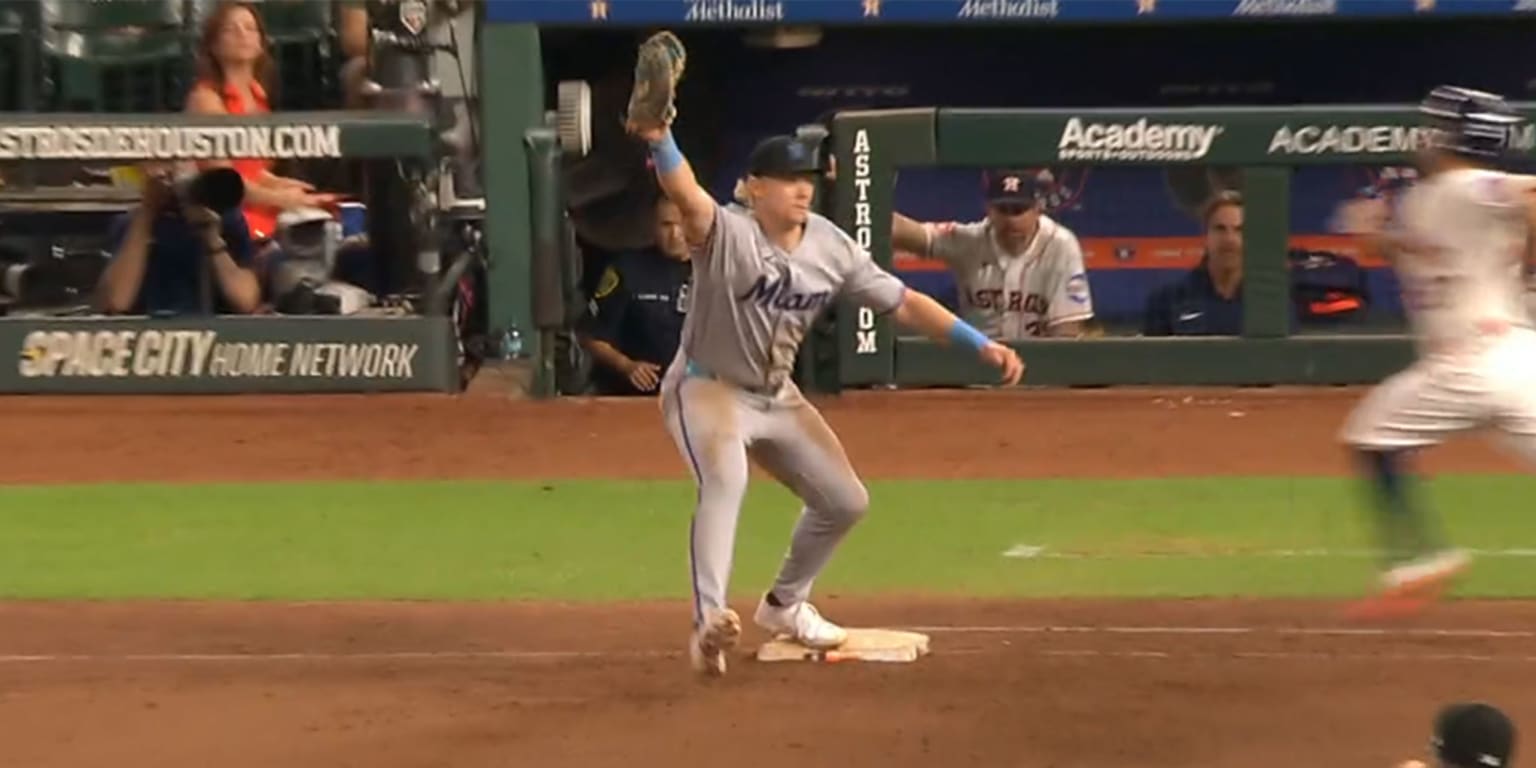
The Miami Marlins executed the first triple play of the 2026 season in the eighth inning Tuesday night at Daikin Park, turning an elegant 5-4-3 pivot to escape a two-on-one-out jam—then promptly lost 5-3 anyway. With Yordan Alvarez and Isaac Paredes already on base after back-to-back singles, Jose Altuve grounded a 1-0 pitch from Zach Brzykcy to Leo Jiménez at short. Jiménez stepped on third for one out, fired to Xavier Edwards at second for two, and Edwards delivered to Kyle Stowers at first for the rally-killing final out. It was a textbook execution: clean routing, precise throws, no wasted motion.
The Marlins have now hit this defensive milestone just twice in franchise history—the first coming on July 28, 2002, and this one 24 years later. For context, the Angels turned the previous triple play in the majors on August 12, 2025, meaning Miami's execution was a relatively rare event. But defensive brilliance doesn't move run production. Houston pushed across the deciding runs before that eighth-inning theatrics, and Miami's lineup generated no answer. The loss extended their slide to eight consecutive defeats—a stretch that tells you everything about where this roster's actual problem lives.
From a betting lens, the Marlins' offensive drought is the more durable signal than their occasional defensive flash. A single triple play, however aesthetic, is a variance event—it happens once a season or less, and it doesn't predict future offense. What does predict the next 10 games is that Miami has scored 3.1 runs per game over their current eight-game slide. When a team loses that often while executing flawless defense, you're looking at execution gap that favors the under on their team totals. The Marlins' implied run production has been insufficient to overcome pedestrian pitching and middling run prevention. Until the lineup wakes up—and there's no evidence of a near-term catalyst—totals pinned at 3.5 or higher carry real downside risk.
The timing of this loss also matters for Houston's positioning. The Astros improved to a winning record despite playing a Miami team that's imploding. Alvarez and Paredes were able to manufacture base runners against a Brzykcy pitch that sat middle-in, which says the Houston approach is still sound even when the opposing pitcher has stuff. That coherence, paired with Miami's visible offensive malaise, suggests that betting against Miami team totals remains a profitable angle through the rest of July and into August.