Red Sox Walk Away From Lopez: What The Failed Trade Says About Boston's Shortstop Future
By PropBetEdge Editorial Team ·
The Marlins' refusal to budge on Otto Lopez pricing just handed the Red Sox a roster clarity problem heading into the stretch.
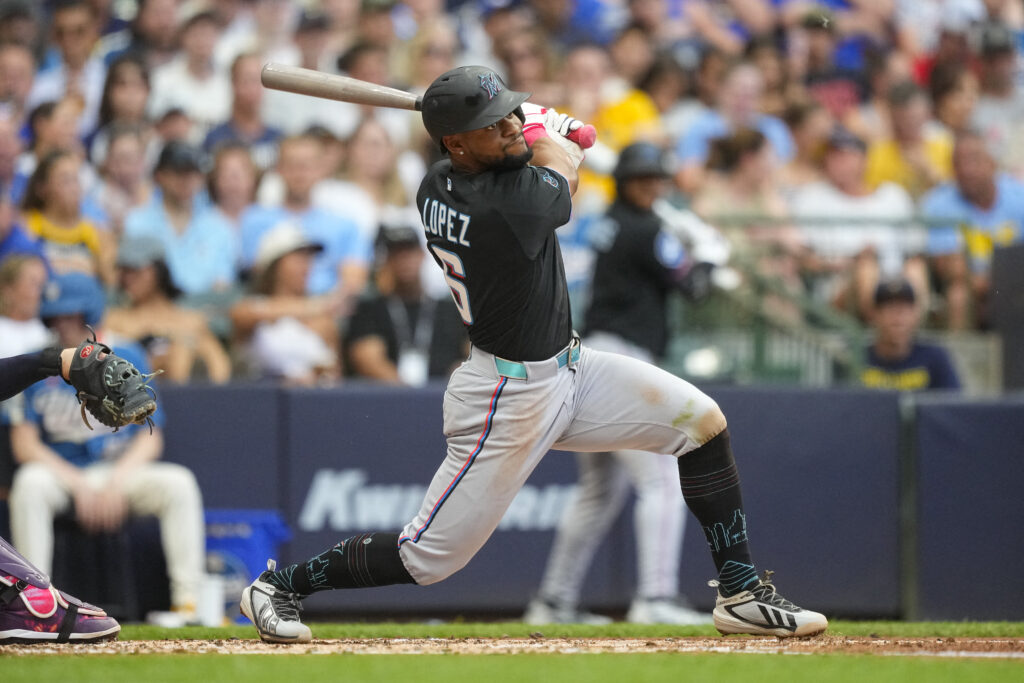
The Red Sox and Marlins ended trade discussions on shortstop Otto Lopez on Friday, with Miami's asking price deemed prohibitive. Per Sean McAdam of MassLive.com, the Fish demanded an elite prospect package to move Lopez, who carries three-plus years of team control remaining. Boston walked away rather than overpay for a mid-tier shortstop in a rental-heavy market.
This collapse matters because it reveals Boston's actual internal ranking: the organization won't burn first-round assets for a .270/.330/.420 hitter in his age-26 season. Lopez is a competent defender with minor offensive upside, but he's not a cornerstone piece. The Marlins, predictably, overestimated his leverage. They have a rebuilding mandate and a shrinking window to monetize Lopez's control; Boston recognized that desperation works both ways. By August 1st, every contender knows Miami needs to move salary. The Red Sox held firm.
The operational signal here is Boston's comfort with internal options. Prospect-level shortstops already in the system likely grade favorably enough to justify passing on a mid-market upgrade. That calculus—keeping draft capital intact rather than chasing marginal wins—suggests the front office is thinking longer-term than the typical August seller, or they've identified a cheaper secondary acquisition target later in the month. Either way, Lopez staying in Miami keeps him out of the AL East and off Boston's late-season acquisition radar.
For Red Sox bettors, this non-move has minimal same-season impact. Boston's roster composition for August 2026 remains unchanged; their offense, pitching, and win projection don't shift on a failed trade rumor. The team's moneyline price and run-line spreads were already priced without Lopez. What matters is the forward signal: if Boston doesn't chase middle-infield help this month, their batting order down the stretch will reflect current talent, not the speculative bump a Lopez acquisition might have provided. Watch for whether they pivot to a DH or catcher target (as McAdam's reporting hints)—that move would reshape run-scoring assumptions in a way Lopez wouldn't have.