Mariners Hit the Switch at Game 100: Why the Next 62 Games Define Their Season
By Erik Schwartz ·
Seattle broke through against San Francisco with timely power and dominant pitching, but consistency—not isolated wins—is what separates contenders from also-rans in the final stretch.
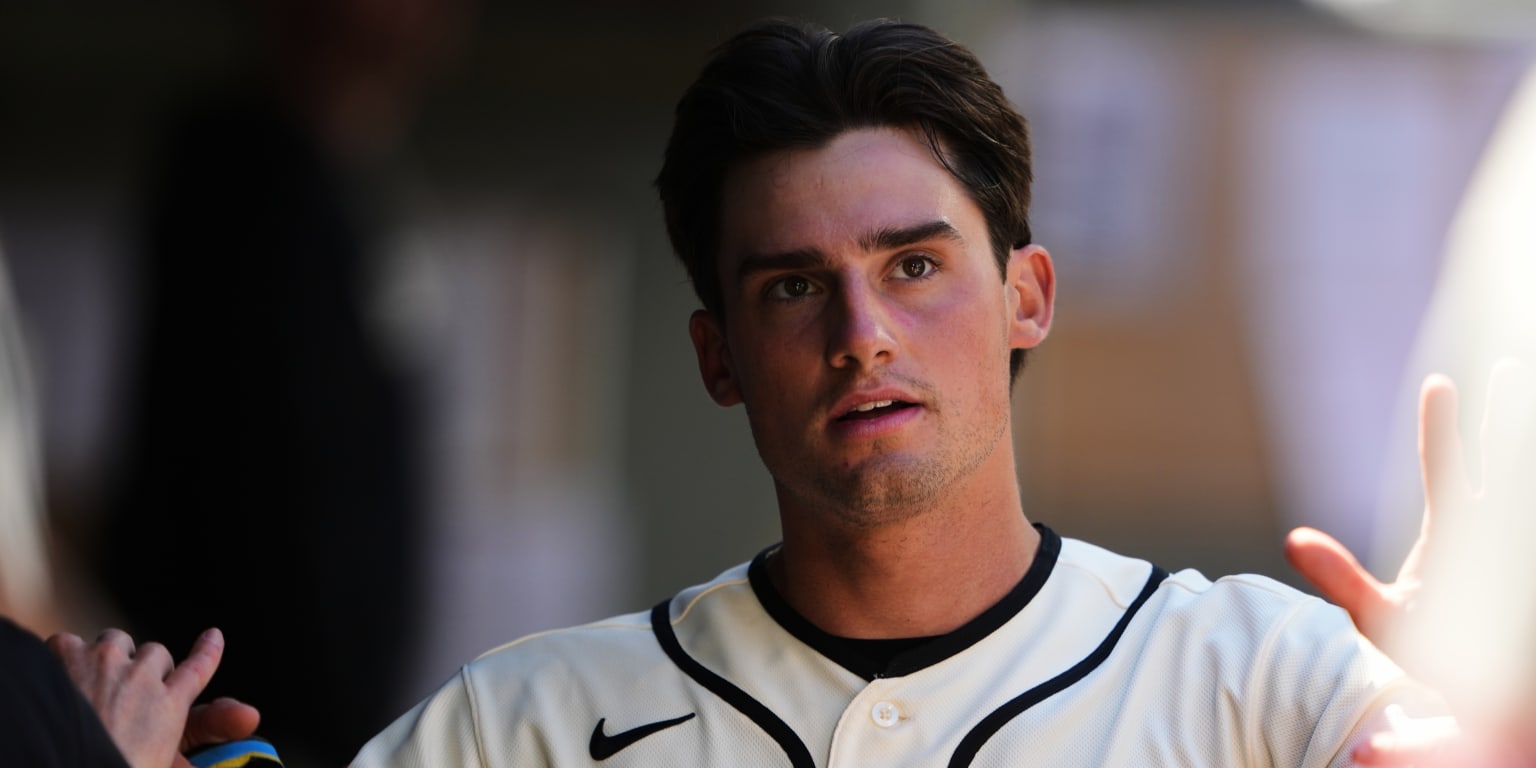
The Mariners reached exactly 50 wins and 50 losses in their 100th game of the season with a 6-3 victory over the Giants on Sunday, a mathematical milestone that reads like a warning: they've now played half their schedule with their season still unsigned. Cole Young's two-run homer in the seventh and Luke Raley's pinch-hit solo shot in the sixth provided the late-inning firepower that broke a tight contest open, while Logan Gilbert's 10 strikeouts and the Seattle bullpen's second straight scoreless outing gave them the foundation. It was efficient baseball—small-ball execution in the early frames, followed by leverage hitting when it mattered.
But this is the crucial read: two straight wins against a 42-57 Giants team doesn't mean the Mariners have turned a corner. What it does mean is that a team sitting dead even on record has 62 games remaining to prove whether they belong in October or fade into the July dead zone. The trade deadline arrives August 3—just 15 days away—and Seattle will make acquisition decisions based not on a two-game sample, but on whether this weekend's approach represents an actual operational shift or another brief uptick in a season defined by inconsistency. Manager Dan Wilson has framed the problem clearly: the talent exists, the execution appears in flashes, but the sustained run required to climb into playoff position hasn't materialized yet.
Julio Rodríguez returned from a two-week absence due to concussion on Saturday and delivered the walk-off sacrifice fly, but his absence underscores the margin for error Seattle operates within. Young, at 22 years old and batting cleanup at the No. 3 spot for the first time this season, has now homered in back-to-back games—a real source of power-game reps that the Mariners didn't have consistent access to earlier in the year. Raleigh's 0-for-10 series against San Francisco highlights the uneven offensive production that has plagued Seattle all year. The offense has proven capable of manufacturing runs through baserunning and contact (Arozarena's error, Naylor's steal, Weston Wilson's two-out single), but that approach only sustains success when your power hitters deliver in the moments that matter most.
For prop bettors, the deadline carries real signal value. If Seattle acquires bat-over-bat depth at the trade deadline (or doesn't), that decision will reshape lineup construction and leverage usage for the final 47 games. Young's elevated role suggests the team sees him as part of the answer, which means increased opportunities for home run and RBI props targeting him specifically. Gilbert's performance—10 strikeouts, 6+ innings for the seventh consecutive start—suggests he's locked into the team's rotation anchor role, making his strikeout lines (which typically sit around 8.5 against league-average offenses) a reliable target on nights when Seattle faces bottom-of-the-order lineups over the next six weeks. The real volatility lies in whether the Mariners' offense will shoot .500-plus with runners in scoring position for a sustained stretch, or regress back toward the .300s range that characterized their first 100 games. That threshold—consistency in high-leverage situations—is what separates a .500 team trading at the deadline from one that buys.
Upcoming matchups against Cincinnati (45-53) and other struggling NL Central offenses represent the exact profile Seattle needs to build a winning streak. If they don't stack wins against teams below .500, the 62-game math becomes unforgiving. Young's power spike and Rodriguez's return from injury are real advantages in the next 15 days, but two wins against the Giants—a team with organizational problems—won't move the needle on Seattle's deadline value or their November obituary. The question isn't whether the Mariners can win in bursts; it's whether they'll win consistently enough to stay relevant until Dan Wilson and the front office decide if this roster is a buy or a sell.