Seattle's Piggyback Gambit: How the Mariners Are Reshaping Starter Load to Protect Durability Into October
By Erik Schwartz ·
With four off-days compressed into the next 28 days before the All-Star break, the Mariners are pivoting from a six-man rotation to a tandem strategy that spreads workload across all six starters—a structural change that will flatten velocity curves, reduce strikeout volume, and reshape win probability for Seattle's pitching staff.
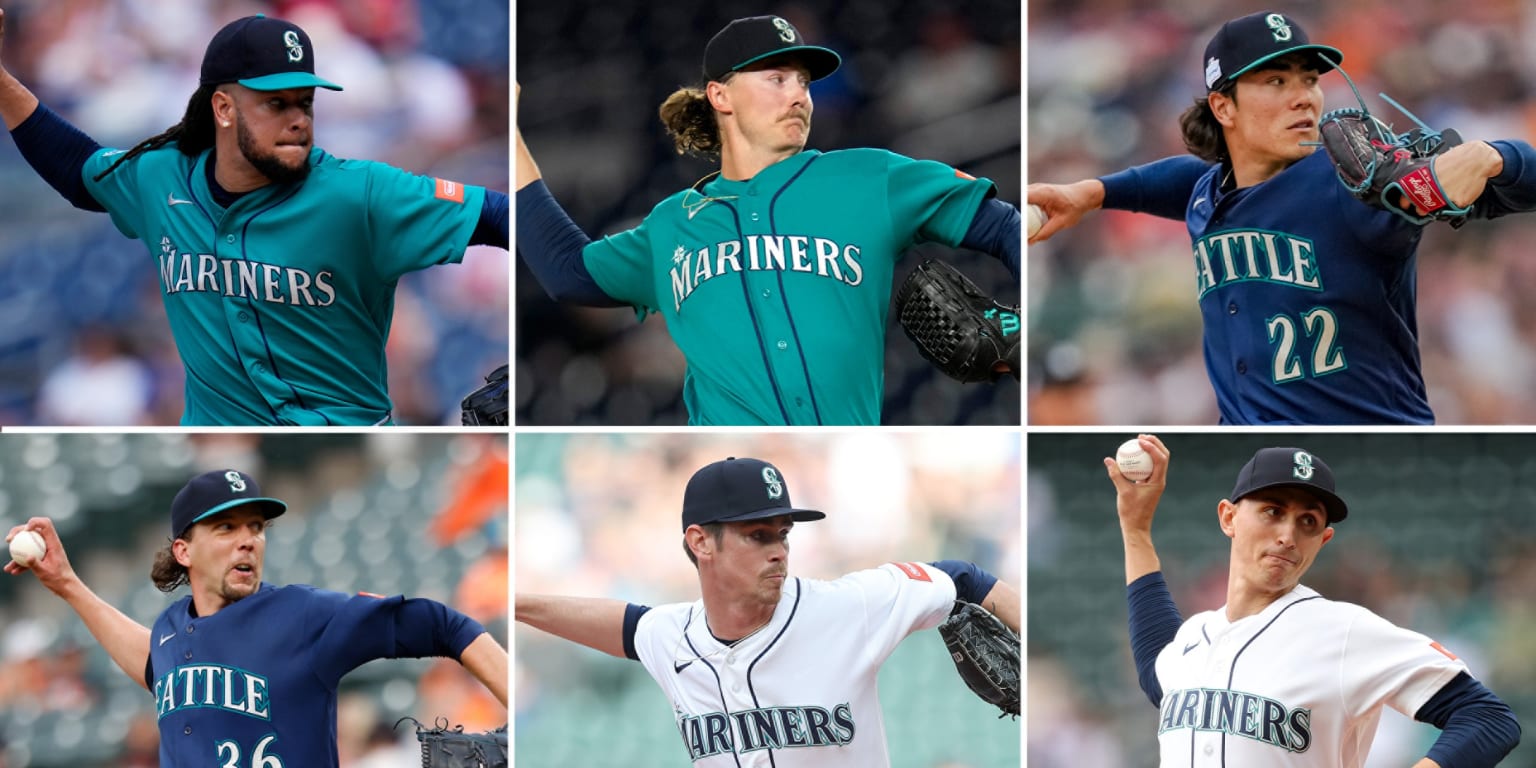
The Seattle Mariners are abandoning their six-man rotation experiment effective immediately, replacing it with a piggyback strategy that will run through the All-Star break. Per GM Justin Hollander, each of the club's six starters will participate in tandem outings, with one taking the front end (roughly five innings) and another handling the back end (roughly four innings). The first piggyback pairs Bryce Miller and Luis Castillo against Boston on Friday; two more pairings will follow before the All-Star break, with the exact assignments still fluid depending on rest and performance.
The mechanism driving this shift is structural math, not philosophy. The Mariners have four off-days embedded in the 28-day window leading to the break. Under a straight six-man rotation, that compression would push starters to seven-day windows between appearances—a cycling rhythm that fractures the physiological pattern pitchers need: build, express, taper, recover. Hollander was explicit: "Now we're limiting their ability to stay on any kind of normal routine" under the six-man model. The piggyback buys starters back to a seven-day minimum between full outings while keeping them actively engaged in leverage situations, preserving the muscular ramp-up that velocity and command depend on. This is not sentimentality; it's load management dressed as tactical innovation.
The starters themselves signed off on the approach in a Monday pregame meeting, having been presented with options over a 48-hour window (from Sunday in Washington through Monday's off-day). Pitching coaches Trent Blank and Pete Woodworth had mapped roughly a dozen configurations before paring to two presentations for the roster; Blank and Wilson encouraged the group to metabolize the choice during the flight home and off-day before reconvening. That buy-in matters operationally—when a rotation collectively owns a structural change, compliance and mental acclimation accelerate. The Mariners are positioning this as a partnership decision, not a decree.
For prop bettors, the piggyback model introduces a specific volatility into strikeout, innings pitched, and game-flow props. A starter pitching four to five innings in a tandem outing will see his strikeout line depressed relative to a normal start—fewer batters faced, compressed plate appearances. K props on Miller, Castillo, Woo, Gilbert, Hancock, and Kirby should shift downward when a piggyback assignment is announced, but sportsbooks may not immediately refresh those totals if the assignment leaks late or appears in beat writers' pregame coverage rather than official lineups. The early-action edge exists in the Friday game: if the market hasn't fully discounted Miller and Castillo's tandem participation by first-pitch wagering, unders on their K totals offer value. Monitor lineup release timing; a 15-30 minute lag between official confirmation and book adjustment is typical. Additionally, team run totals and spreads will shift once the piggyback is public—Seattle's offensive burden increases slightly when fewer innings are pitched by the starter, and leverage handoff risk (a closer or mid-tier reliever entering earlier than usual) may suppress run expectancy in innings 6-7. That effect is durable across all three piggyback dates and worth tracking in team total markets.
The durability question is the longer arc. If the piggyback strategy successfully preserves starter velocity and command across the next 28 days—measurable through average fastball velocity, whiff rates, and walk rates in June and early July—then October playoff rotation depth improves, and win-total upside accrues to Seattle over the second half. That's a season-long edge, not a single-game spike. Conversely, if the tandem model fragments a pitcher's rhythm or introduces command volatility (which some starters experience when their outing length is unpredictable), the K and ERA props may inflict unexpected damage. The bet today is on the structural logic; the data arrives over the next three weeks.