Mariners Get Their Lineup Back: Raleigh and Crawford Return as Seattle Pivots Offensive Strategy
By PropBetEdge Editorial Team ·
Seattle's star catcher and leadoff hitter rejoin the lineup after injury absences, fundamentally shifting how the Mariners will construct at-bats and manage their depleted roster.
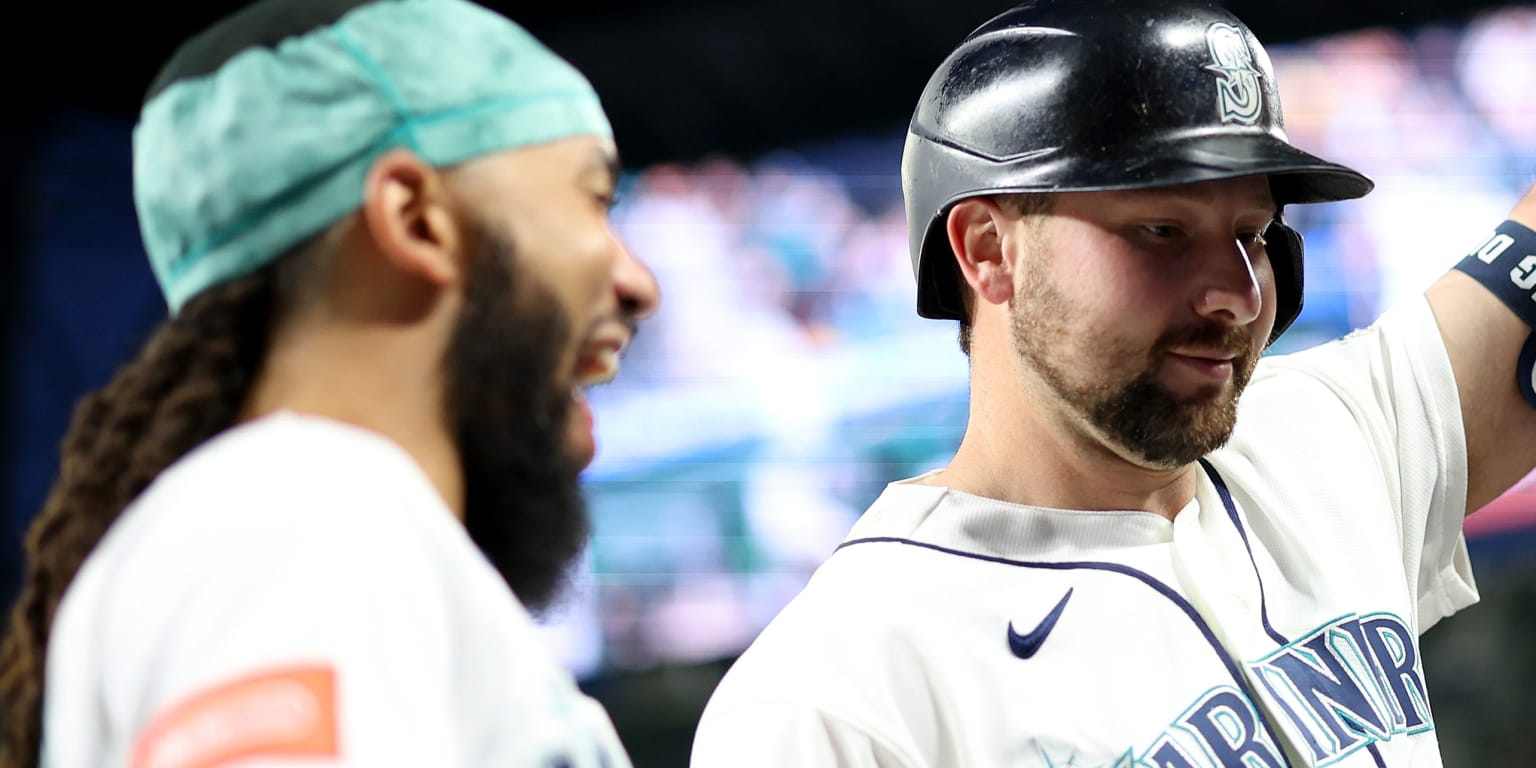
Cal Raleigh and J.P. Crawford are back in the Seattle lineup as of Tuesday, ending two separate injury stretches that exposed just how thin the Mariners' depth chart had become. Raleigh missed 33 days with a right oblique strain, while Crawford sat out 10 days following a hit-by-pitch hand contusion. Their return arrives after a brutal 10-day road trip through Detroit, Baltimore and Washington where the Mariners cycled through four different left fielders in three games and started a late-inning contest with utility reserves Patrick Wisdom and Ryan Bliss in the infield—both since optioned away. That kind of roster churn is sustainable only in patches. Now the Mariners have their centerpieces back.
Raleigh's rehabilitation path is the more compelling story. During his minor-league assignment, he crushed five home runs in four Triple-A games and went deep from both sides of the plate in a full game on Saturday—a significant data point given his 2025 season when he became the first Mariner, catcher, and switch-hitter to reach 60 home runs. But this year his approach was fractured. He hit .056 (2-for-36) in May before the injury, with seven home runs concentrated in a single week (April 20-27, when he posted a 1.303 OPS) and just two deep balls in 149 plate appearances outside that window. The inconsistency, Raleigh has indicated, was partly a function of playing through accumulated damage—the oblique strain being the injury that finally forced the break. The rehab performance, particularly the power stroke from both sides, suggests he returns with a clearer physical baseline and a mental reset.
Crawford's value is more structural. He's posted a .278 average with nine home runs in the leadoff role while Brendan Donovan remains out, and his return stabilizes the infield after the Mariners were forced to start Cole Young at shortstop in their 10-inning Orioles win. The organizational chess piece is worth noting: Crawford is in the final year of his contract and traditionally a shortstop, but the emergence of top prospect Colt Emerson—long positioned as Seattle's future at short—may now create an opportunity to move Crawford elsewhere. That positional flexibility is a lever the Mariners didn't have access to when their roster was fractured by injury.
For prop bettors, the return of these two players fundamentally reshapes Mariners run-production projections. Raleigh's home run stroke was unreliable outside his April hot streak, but the Triple-A power display (five dingers in four games) indicates the oblique issue may have been suppressing his leverage at the plate more than approach changes can explain. His career path before 2026—a 60-home-run 2025 season—establishes that genuine power is his baseline state, not the inconsistent single-digit months we've seen this season. Similarly, Crawford's .278 leadoff average and nine home runs demonstrate that when healthy, he's a consistent offensive contributor, not a light-hitting utility shortstop. The Mariners' run-production prop totals moved depressed during the injury crisis; expect sharp movement back toward season expectations now that the two heaviest offensive contributors return simultaneously. Raleigh's home run prop, in particular, will likely see early movement before the market recalibrates his April form as an outlier rather than his true profile.
The risk for takers: both players are in their first games back after injury absences, and neither is guaranteed to deliver immediately. Raleigh's rehab numbers were impressive but came against minor-league pitching. Crawford's hand contusion, while only a 10-day absence, is a joint injury that can linger if agitated. The first 48 hours of pricing on both players' props will reflect scarcity premium (the market's uncertainty after an absence), and that premium will compress once the market sees sustained performance or any signs of re-aggravation. The smarter angle is to wait for the initial pricing surge to fade—likely within the first week—then back the underlying volume props (at-bats, plate appearances) once the market has enough sample to confirm both players are truly healthy contributors and not managing quiet injuries.