Brash Returns to Bolster Seattle's Bullpen; Crawford Shift Opens Shortstop Ramp for Emerson
By Erik Schwartz ·
The Mariners activate their most dominant reliever while testing positional flexibility that could accelerate a prospect's timeline and reshape their infield depth chart.
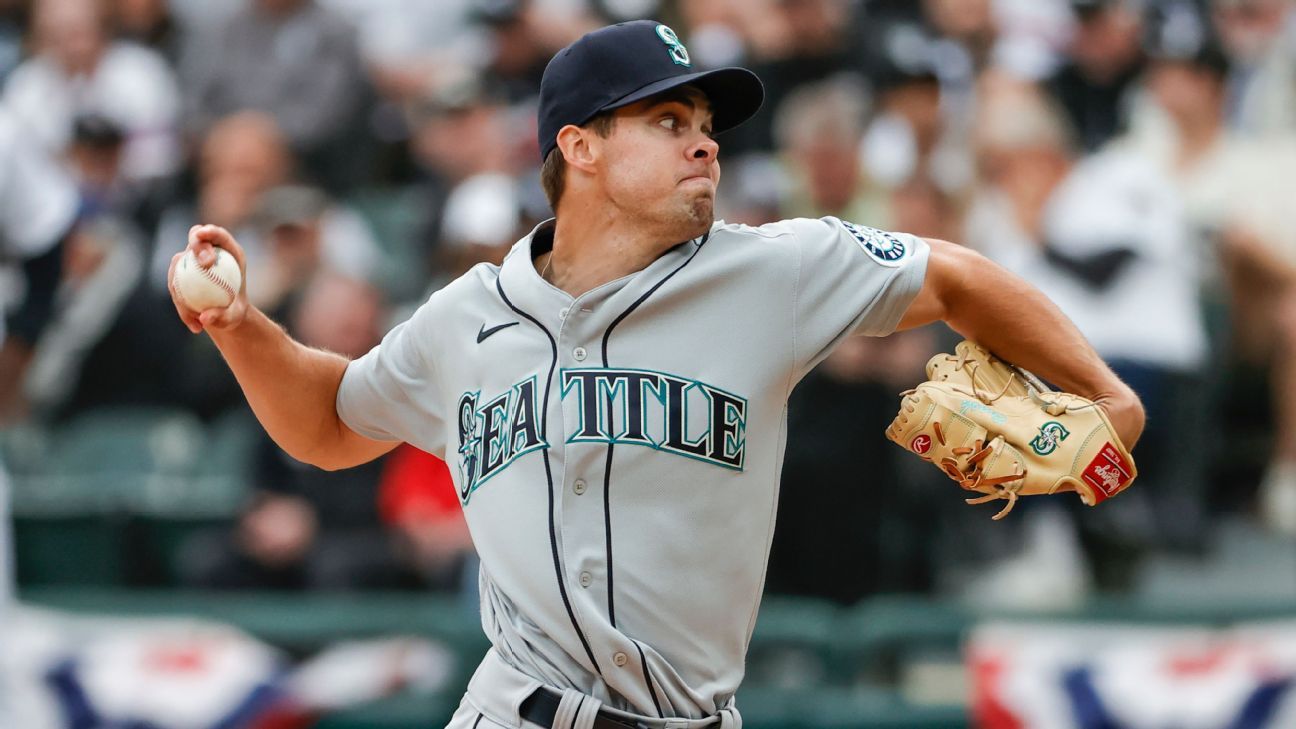
The Seattle Mariners reinstated right-handed reliever Matt Brash from the injured list Wednesday after a three-week absence, optioning left-hander Robinson Ortiz to Triple-A Tacoma. Brash landed on the shelf May 1 with right lat inflammation—a significant loss for a bullpen that had leaned heavily on his arm. Before the injury, he was unscored upon in 11 1/3 innings (0.00 ERA) with eight strikeouts and just two walks, establishing himself as the franchise's most trusted late-inning option.
Over four seasons in Seattle, Brash has compiled a 3.10 ERA with 235 strikeouts in 184 games, missing all of 2024 following Tommy John surgery. The timeline is tight but credible: lat inflammation typically resolves in 2-4 weeks with proper rehab, and the team cleared him to return. Manager Dan Wilson emphasized his role immediately. "Big part of that back end bullpen, and someone who's thrown a lot of high-leverage innings," Wilson said, signaling Brash will slot directly into save situations and critical moments.
Simultaneously, the Mariners are testing J.P. Crawford at third base—a positional shift that carries roster implications beyond the single day. Crawford, sidelined Wednesday with right triceps soreness from a hit-by-pitch, took ground balls at the hot corner ahead of the lineup announcement. He hasn't played third base in a major league game since 2018 with Philadelphia. The move is not cosmetic. When the team promoted 20-year-old Colt Emerson from Triple-A on Sunday, GM Justin Hollander projected him primarily at third base. By moving Crawford to a new position, Seattle accelerates Emerson's transition to shortstop—his natural spot—while keeping Crawford's glove in the lineup. This is roster architecture with a betting edge baked in: if the positional split sticks, Emerson's playing time and thus his plate-appearance props become more predictable and higher-volume sooner than early forecasts suggested.
For prop bettors, Brash's return is the sharper angle. A reliever posting a 0.00 ERA before injury, with an 8:2 K-to-walk ratio, represents elite leverage usage. The lat is a low-recurrence injury if properly rehabilitated—unlike shoulder or elbow issues that cloud return-to-form timelines. Back-end reliever innings and save opportunities should consolidate around him within the next 5-7 games as the bullpen reestablishes trust. Seattle's save prop total (currently anchored around 37-39 for the season) was likely discounted during Brash's absence; his reinstatement removes downside variance from that market. Conversely, teams facing the Mariners over the next fortnight face a bullpen that was already middle-of-the-pack and is now freshly bolstered—a headwind for overs on Seattle's opponents' run totals.
The Crawford positional flexibility is a longer-term tell. If he remains at third base and Emerson sticks at short, it signals front-office confidence in the prospect's defensive readiness and accelerates his major league ramp. Emerson's K-rate and BB-rate props will depend on at-bat volume; faster integration into the everyday lineup inflates his slash-line variance but also his strikeout and walk totals. Monitor his usage rate over the next 10 games. If he's logging 30+ plate appearances per week, his strikeout total line (likely set conservatively for a part-time rookie) becomes exploitable to the over.