Cole's Tommy John Return Is Outpacing Expectations—and What That Means for Yankees Strikeout Props
By Erik Schwartz ·
Twelve innings, zero runs, and triple-digit fastballs: Gerrit Cole's post-surgery ramp has already rewritten the rehab playbook, creating a pricing lag in strikeout and quality-start markets.
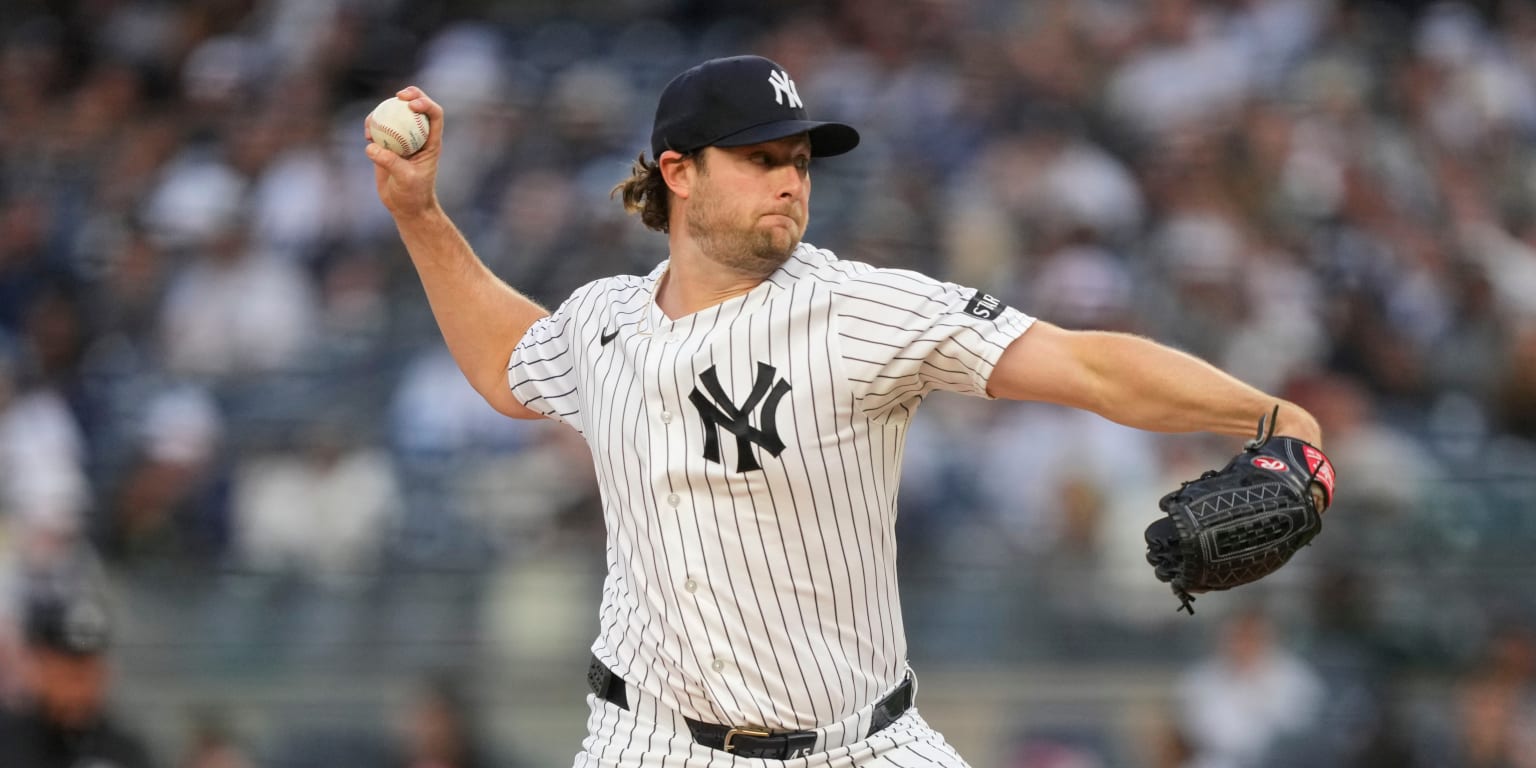
Gerrit Cole takes the mound against Cleveland on Wednesday night in his third start since returning from Tommy John surgery—and he's done something that almost never happens in baseball rehabilitation: he's made an 18-month absence look like a minor inconvenience. Through 12⅔ innings across two starts, Cole has permitted zero runs while striking out 10 in his most recent outing, a dominant 7-0 Yankees victory against Kansas City. The fastball velocity is back in the upper 90s. Command is sharp on both sides of the plate. Per manager Aaron Boone, the appetizer (six scoreless frames versus Tampa) was merely setting the table for the main course.
This matters because Tommy John recovery—especially for a pitcher with Cole's age and innings history—is supposed to be visible, messy, and measured in incremental progress across months. Clarke Schmidt, Cole's teammate and fellow TJ casualty, is still grinding through his own rebuild and won't return until summer. The difference between their timelines isn't circumstance; it's Cole's obsessive preparation, a 569-day absence that included meticulous throwing programs and the kind of dialogue-driven rehab that most arms never experience. Schmidt has watched it unfold and called it "not usual." That's understatement. Cole's initial returns are tracking closer to a healthy pitcher returning from a minor stint than a major-surgery comeback.
The trap for oddsmakers is that Cole's first two starts came against below-average offenses (Tampa and Kansas City), which masked how quickly his top-of-zone fastball is working. The Guardians, however, are a different animal: they rank in the top half of the league in contact quality and strikeout avoidance. Cole will face harder contact, more disciplined plate approaches, and fewer free swings. His strikeout rate should compress from the 10-in-five innings he posted in Kansas City to something closer to 8-9 against a Cleveland lineup that doesn't gift fastballs. The market, however, has likely over-indexed on Cole's perfect scoreless streak and pristine October form, building his K prop line and quality-start odds with the assumption that he walks in and repeats last week's performance.
Bettors backing Cole strikeout props at anything over 8.5 are paying for an outlier performance against weak competition to sustain against a competent offense. The edge isn't "Cole will be bad"—it's that his baseline recovery is genuinely elite, but his recent strikeout volume is inflated by opponent quality. Lean under on his strikeout total if offered above 8.5. Similarly, quality-start odds are vulnerable on the moneyline if they're priced as if Cole's zero-run, double-digit strikeout template is a permanent fixture. A quality start (six innings, three or fewer runs) is still very likely against Cleveland, but the probability isn't what his last outing suggests—it's something closer to 65% rather than the 75%+ the market may be implying.
The larger Yankees angle: Cole's stunning return removes injury risk from their rotation calculus for the next 3-4 weeks. That shifts the weight of their pitching viability onto Rodon, Severino, and the bullpen in high-leverage spots. Team totals and run-line pricing should reflect increased offensive responsibility, not decreased, because the rotation is now more reliable and the offense can't lean on a question mark at the top of the card.