Dodgers' All-Star Glut Masks a Lineup Vulnerability: Freeman's Lock Status and the Pages Ceiling Question
By Erik Schwartz ·
Six Dodgers finalists flood Phase 2 voting, but injuries to Smith and Hernández expose how top-heavy the roster's health margin has become.
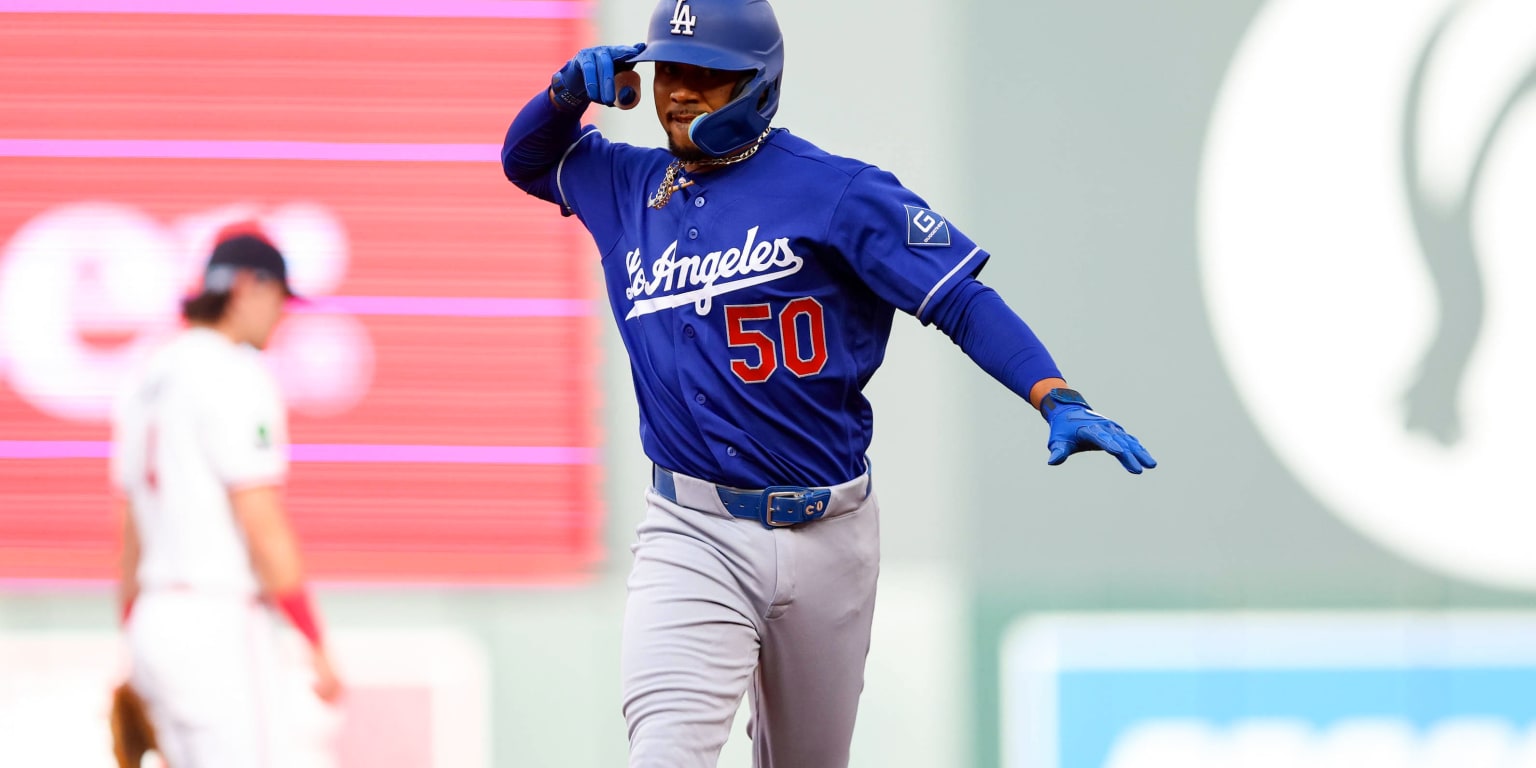
Phase 2 All-Star voting opened Monday with Shohei Ohtani already locked into the National League's starting lineup after dominating fan voting in Phase 1. Behind him, the Dodgers have six finalists competing for spots: Will Smith, Freddie Freeman, Max Muncy, Mookie Betts, Andy Pages, and Teoscar Hernández. On paper, it's a display of organizational depth. In reality, it reveals a fragility that carries meaningful implications for the team's second-half trajectory.
Smith's situation is the immediate red flag. He's been sidelined since June 11—roughly 18 days ago—with neck inflammation that has created genuine uncertainty about whether he'll be active before the All-Star break (set for July 13-14). Even before the injury, he wasn't the position's premier candidate; Drake Baldwin of the Braves has built a stronger overall case for his first All-Star appearance. Freeman, by contrast, is positioned to start again at first base—he finished Phase 1 with 600,000+ vote margin over Matt Olson and carries a 144 wRC+ (second among qualified NL first basemen) at age 36. Muncy may be the Dodgers' most compelling candidate, having drawn more Phase 1 votes than any National League player except Ohtani; his 141 wRC+ leads all qualified third basemen, and his +6 outs above average on defense adds ballast to an offensive case that already stands alone.
Betts and Pages present a different diagnostic. Betts trails CJ Abrams by roughly 96,000 votes for the shortstop spot, and while Abrams has had the stronger offensive season, Betts' June surge and his +4 outs above average (versus Abrams' -9) keep the race competitive. Pages, the 25-year-old center fielder, is the real story: his 4.0 bWAR already exceeds his career-high 3.7 from last season, and he leads all outfielders with 10 assists despite cooling in June. Hernández, a two-time All-Star, has missed a full month with a hamstring strain and is now a supporting candidate in a crowded outfield pool that includes Ronald Acuña Jr., Juan Soto, and Michael Harris II.
For bettors, the Dodgers' All-Star saturation is a proxy for their mid-season health and lineup stability. Freeman's near-certain selection reinforces his role as an organizational constant—voting patterns typically hold for qualified hitters above a 140 wRC+, which means his starting spot odds improve with each Phase 2 vote cycle. Pages' ascent matters differently. His 4 bWAR production isn't a one-month mirage; it reflects consistent value creation in a lineup that's been forced to lean on him while managing Smith's absence and Hernández's recovery window. Betting markets haven't fully priced the durability of Pages' output relative to his first-time All-Star status. His strikeout rate (22.4%) is above league average, but his walk rate (9.2%) and isolated slugging (.268) position him as a genuine power-speed contributor, not a tokenized selection. If he stays healthy through July, his assist total and defensive positioning suggest he'll continue generating value even after the break.
The wrinkle: Hernández's injury history and Smith's neck inflammation are warning signs for July team-total props. Dodgers total wins over 4.5 for the final stretch into the All-Star break may face downside pressure if either player remains unavailable. Conversely, Freeman's and Muncy's All-Star locks are no bet in themselves—the market has already priced their offensive reliability. The edge, if it exists, lies in fading overs on Dodgers team totals during the final 15 days before the break if Smith remains on the IL and Hernández's hamstring proves resistant to full-load recovery.