Tigers' Pitching Crisis Deepens: Madden's Comebacker Injury Arrives as Mize Nears Return
By Ty Whitney ·
Detroit's rotation depth crumbles on the same day Casey Mize's comeback clears the runway, leaving the bullpen stretched thin and team pitching lines vulnerable to sharp action.
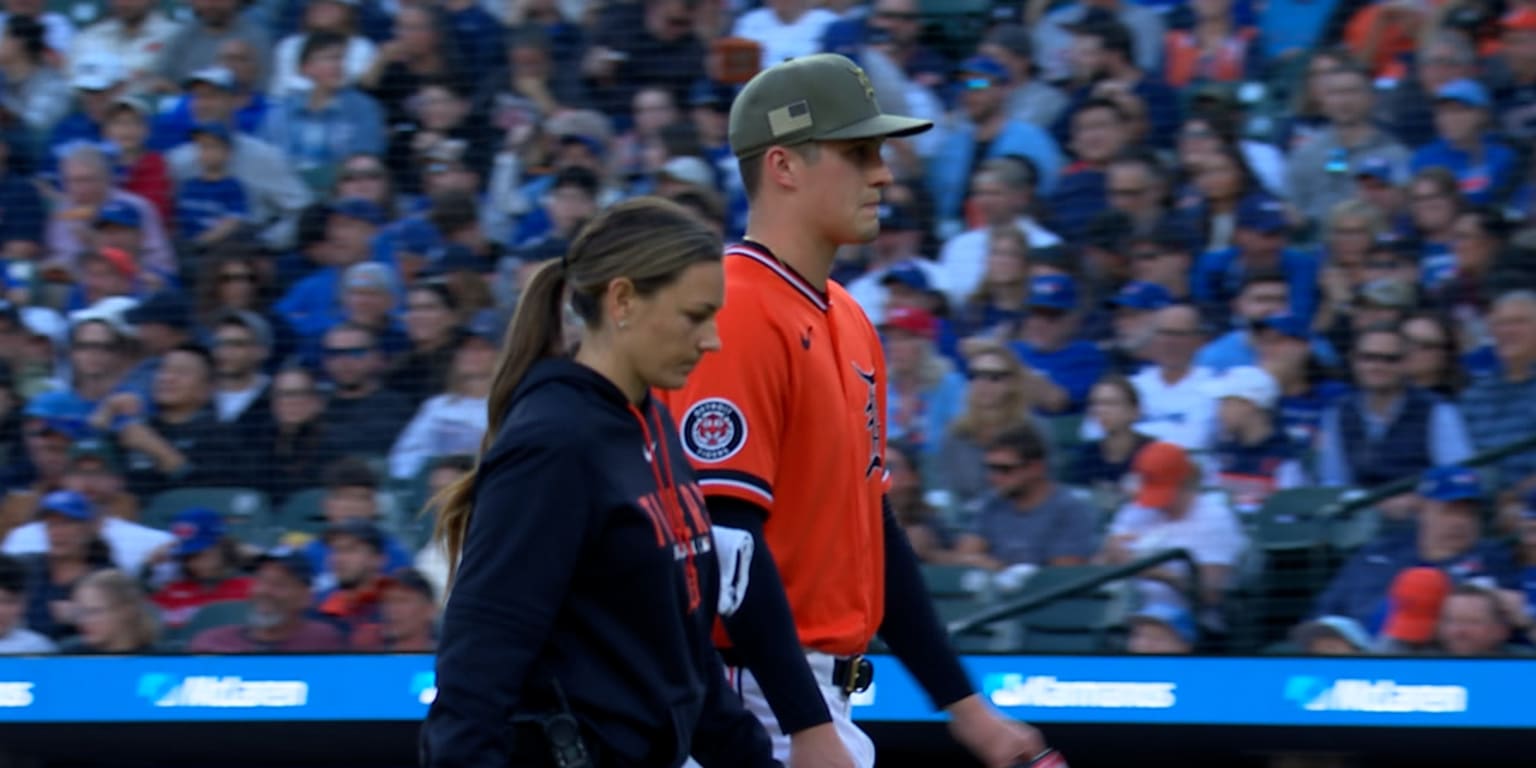
The Tigers announced Friday that Ty Madden exited their series opener against Toronto after absorbing a 107.9-mph comebacker off his right forearm in the third inning. Manager A.J. Hinch pulled him immediately; Madden did not attempt a warm-up pitch before leaving the mound. The timing compounds an already precarious situation: hours earlier, Detroit had signaled Casey Mize's return to the rotation for Saturday, a development the organization had positioned as relief for a pitching staff that has hemorrhaged bodies since camp.
Madden's injury carries particular weight given his backstory. He missed all of last season with a right shoulder strain, then spent Spring Training reestablishing himself—a comeback narrative that earned him a return to the majors after six Triple-A appearances. He was supposed to function as bulk relief depth while Mize eased back in. Instead, Detroit now faces a calculus problem: Mize returns tomorrow, but Madden's status is murky, Troy Melton (60-day IL, elbow inflammation) can't rejoin until late May, and Justin Verlander (60-day IL, left hip inflammation) remains eligible only at month's end. The organization has no near-term cavalry.
This is not abstract organizational distress—it's a direct supply shock to Detroit's bullpen usage and starter workload. A healthy rotation carries depth. A fractured one forces overextension and risk concentration. The Tigers will lean harder on their existing relief corps while managing Mize's pitch count carefully (a first appearance back always requires caution). That changes how games are constructed. Bullpen arms get called into action earlier than designed. Starters pitch deeper into counts to preserve arms. Single-game variance spikes. The team will also consider internal options and waiver-wire additions, but those moves take time to materialize and integrate.
From a betting lens, Tigers team totals face immediate compression. A rotation this thin, with the lead starter returning from injury layoff and key bulk-relief depth potentially sidelined, suggests Detroit will score fewer runs per game—both because available pitching quality drops (forcing longer relief appearances that fatigue lineups) and because the team may prioritize early leads to protect shallow bullpen depth. Look for Tigers team totals to trade in a tighter band, likely centered 0.3–0.5 runs lower than pre-injury pricing through late May. The edge persists beyond Friday's opening because Melton and Verlander remain months away; this isn't a 48-hour recalibration but a month-long constraint on roster elasticity. Books will adjust the outright price over time, but the mechanism—fewer available quality innings—durable.
Toronto capitalized on Madden's absence by avoiding further damage Friday, but the Blue Jays' offensive approach (early pressure, hard contact) should be replicated by future opponents. Detroit's bullpen will face elevated workload against lineups that can capitalize on reduced pitcher depth. For sharp bettors, Detroit's overs at 4.0 or higher carry elevated risk through May; the team's ceiling for run production flattens when rotation depth narrows this severely.