Lindor's Rehab Sprint Resets Mets' Lineup Odds; Shortstop Return Window Narrows to Early Next Week
By PropBetEdge Editorial Team ·
Francisco Lindor begins his minor league assignment Friday after nearly two months sidelined, with activation feasible by Monday—reshuffling position eligibility and restoring one of baseball's most versatile offensive engines to a lineup that's cratered without him.
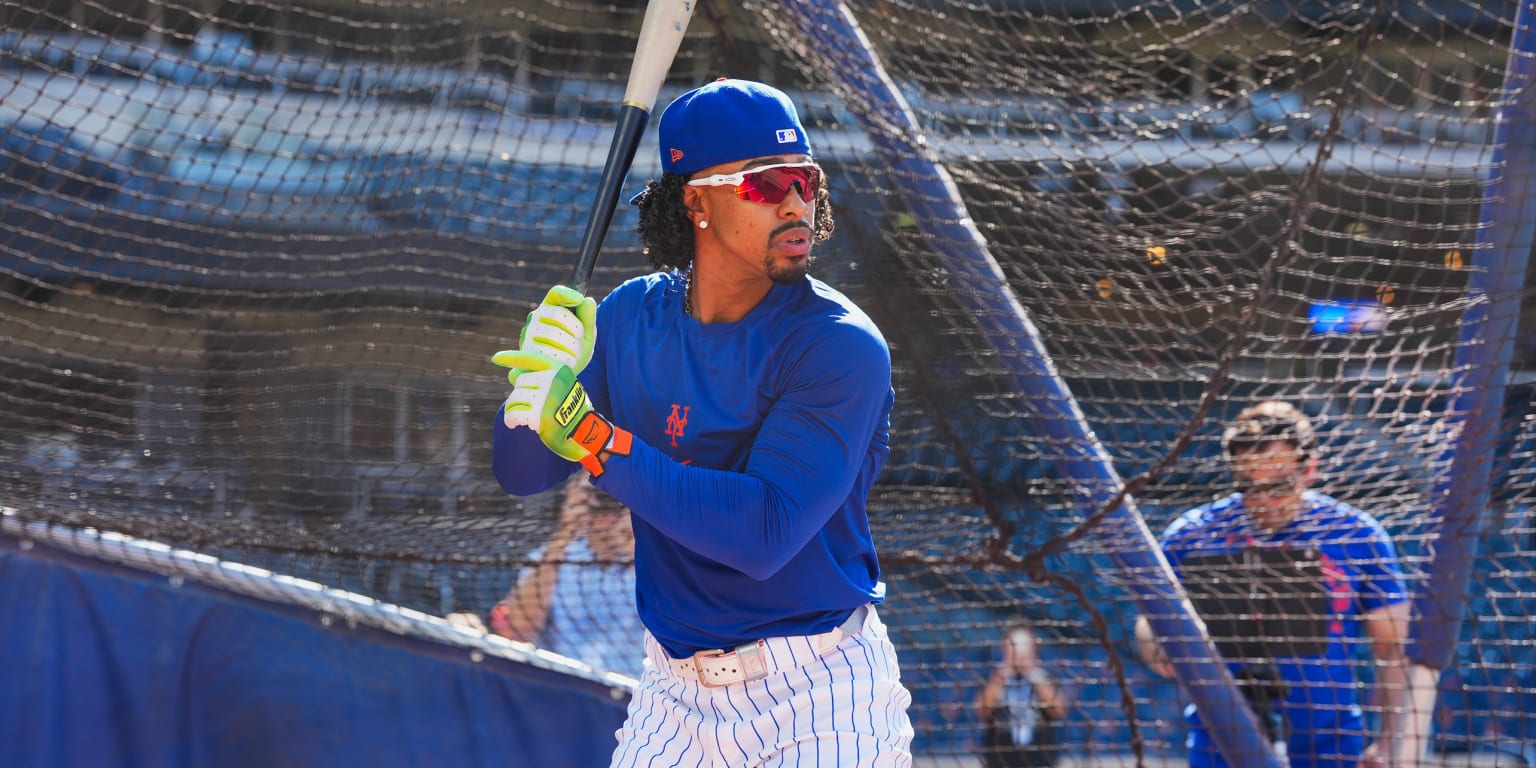
Francisco Lindor starts his rehab assignment Friday with Double-A Binghamton after missing 57 days with a left calf strain. The Mets are orchestrating a compressed ramp-up: two minor league games over the weekend—Friday in Binghamton, Sunday either with Binghamton or Triple-A Syracuse depending on weather—followed by a team reevaluation that could clear him for activation as early as Monday, June 23. Manager Carlos Mendoza signaled confidence in the pace, noting Lindor has already logged five days of simulated games at Citi Field, accumulating the at-bats and ground-ball reps he needs without in-game stress.
Lindor's absence has functionally crippled the Mets' middle infield. The team entered Thursday's game at 25-25 in contests without him—a full 10 games underwater compared to their overall record. That gap is not noise; it reflects the structural loss of a five-time All-Star capable of driving run expectancy from the leadoff position, where he anchors batting order flow, and from his defensive position, where his shortstop play frames the entire infield architecture. Lindor finished second in NL MVP voting two years ago; even at a depressed .669 OPS in 2026 before injury, he was the team's highest-ceiling talent. The Mets have absorbed nearly a third of their Opening Day roster on the injured list simultaneously—a depth crisis Lindor's return alone won't solve, but one his presence will visibly disrupt the opposition's game plan.
The roster mechanics ripple immediately upon activation. Bo Bichette slides from shortstop to third, displacing Brett Baty from daily reps. Baty can populate a corner or second base, but his offensive production hasn't justified full playing time; he'll compete with Marcus Semien, who has also underperformed, for at-bats. This churn matters less for individual prop construction than for team total and lineup run-expectancy frameworks. Lindor's return compresses the Mets' offensive profile upward—his speed (career 11.1% steal rate), his plate discipline (career 12.7% walk rate), and his on-base skill (career .333 OBP) immediately elevate expected runs per game when he returns.
For bettors, the activation timeline creates two distinct prop windows. Through Sunday, June 22, treat the Mets' team totals and hitter overs as a roster operating without its best player—bet them accordingly, usually leaning lighter on over exposure. Once Lindor logs his rehab games cleanly and the team greenlights activation (most likely Monday), team totals should move upward by 0.3 to 0.6 runs as the market reprices the lineup's offensive gravity. Lindor's own props—hits, runs, RBIs—carry elevated variance in his first 1-2 games back (pitch recognition rust, calf tolerance in a real game), so fade early returns and wait for the third appearance before trusting his individual-game props at face value. The edge exists in pre-activation line adjustments, where the market has already priced some Lindor optimism but may not yet fully account for his impact on the batting order's collective on-base percentage and stolen-base volume.