Lindor's Calf Injury Extends Into Summer; Mets' Shortstop Void Reshapes Roster Leverage
By Ty Whitney ·
Francisco Lindor remains weeks away from baseball activities after calf strain, forcing the Mets to operate without their franchise player through a critical stretch.
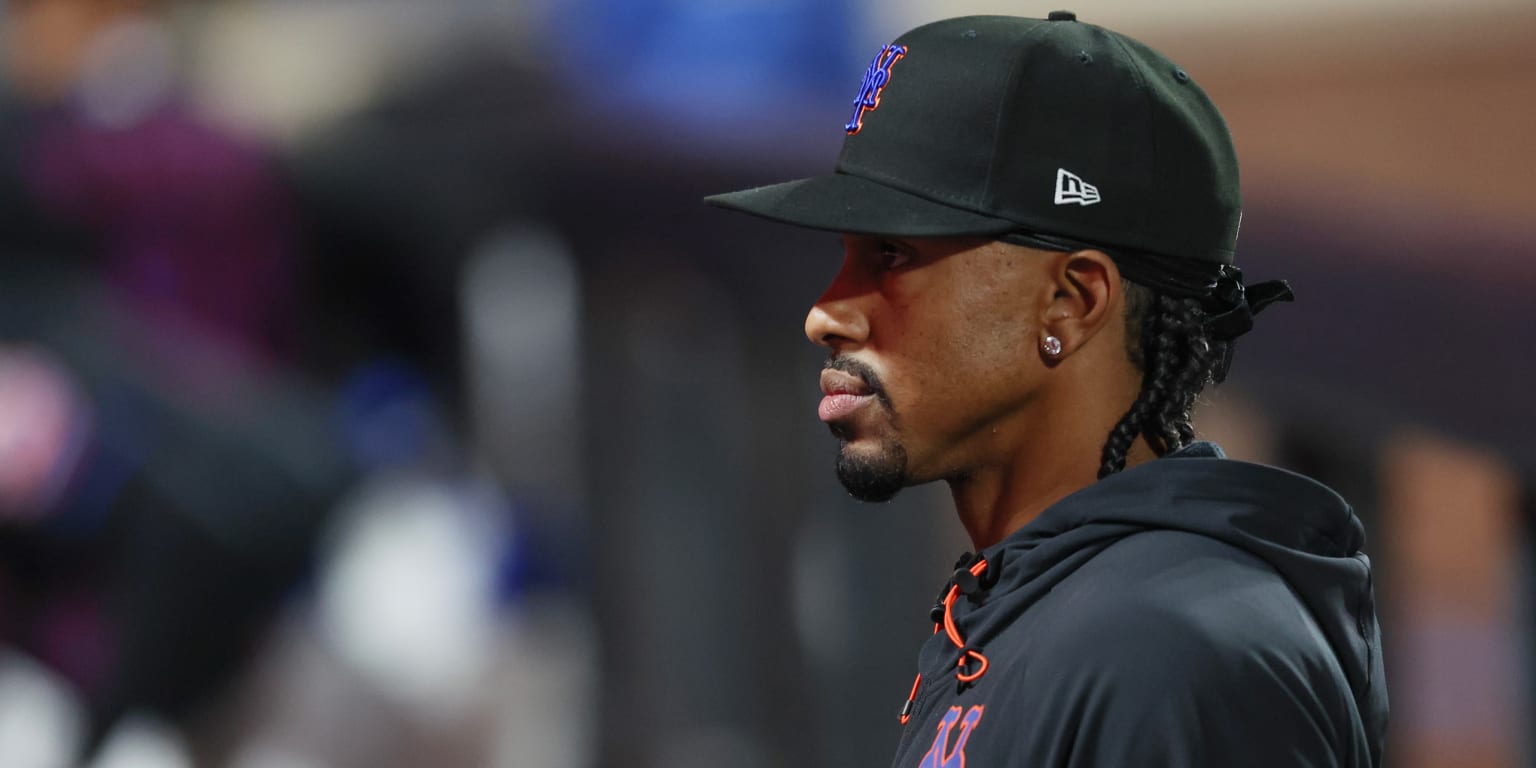
Francisco Lindor has not played since April 22, and he will not be playing soon. An MRI on Wednesday showed what manager Carlos Mendoza called "signs of healing," but that clinical language masks a harder reality: Lindor must first rebuild calf strength in the weight room, then progress to running drills, then—and only then—return to baseball-specific work. Mendoza offered no timetable beyond "significant absence," and when pressed on whether Lindor remained "quite a ways away," the manager simply answered: "Yes." The shortstop is tracking toward a two-month absence or longer.
Lindor's injury history adds context to the timeline. He entered 2025 as one of baseball's most durable players, averaging 158 games per season from 2022 through 2024 while rarely hitting the injured list. But the wear is accumulating: a back injury late in 2024, a broken toe this spring, two surgeries in the offseason (right elbow debridement, left hamate repair). Calf strains typically resolve in six weeks, but Lindor has already burned three weeks before even starting strengthening work. The gap between Wednesday's MRI and his actual return is vast.
The Mets are filling the void with a patchwork: Bo Bichette at shortstop most days, Brett Baty shifted to third base. Ronny Mauricio, the natural backup, is also sidelined with a fractured left thumb expected to sideline him until mid-June. Before the injury, Lindor was batting just .226/.314/.355 with two home runs in 24 games—an early-season funk that obscures both his ceiling and the team's offensive instability without him. His absence forces the Mets to lean heavier on their remaining position players and pitching depth.
From a betting lens, Lindor's prolonged sidelining pressures Mets team totals and moneyline prices across the next four to six weeks. Without a franchise-caliber shortstop in the lineup, run production dips measurably. The replacement at short (Bichette) carries a career .237 isolated slugging percentage—roughly 80 points below league average for the position. Bichette's on-base contribution is modest as well. This isn't a one-game deviation; it's a structural loss of offensive leverage that will persist until Lindor returns to baseball activities, which Mendoza has indicated is still an unknown number of weeks away. Early June is the realistic floor for his return.
Bettors should treat Mets team totals as moderately suppressed through late May and early June. The model assumes a full lineup; the Mets are operating below design specifications. If you're fading Mets over-unders in that window, you're fading lineup depth, not randomness. That's durable edge—not the spike-and-fade kind.