Cardinals Stack Right-Handers, Dismantle Cubs Early: The Tactical Win That Matters for Series Betting
By Ty Whitney ·
St. Louis's lineup assault in game one built on explicit handedness matchup design; what it tells you about Cardinals offensive ceiling and Cubs pitcher sustainability.
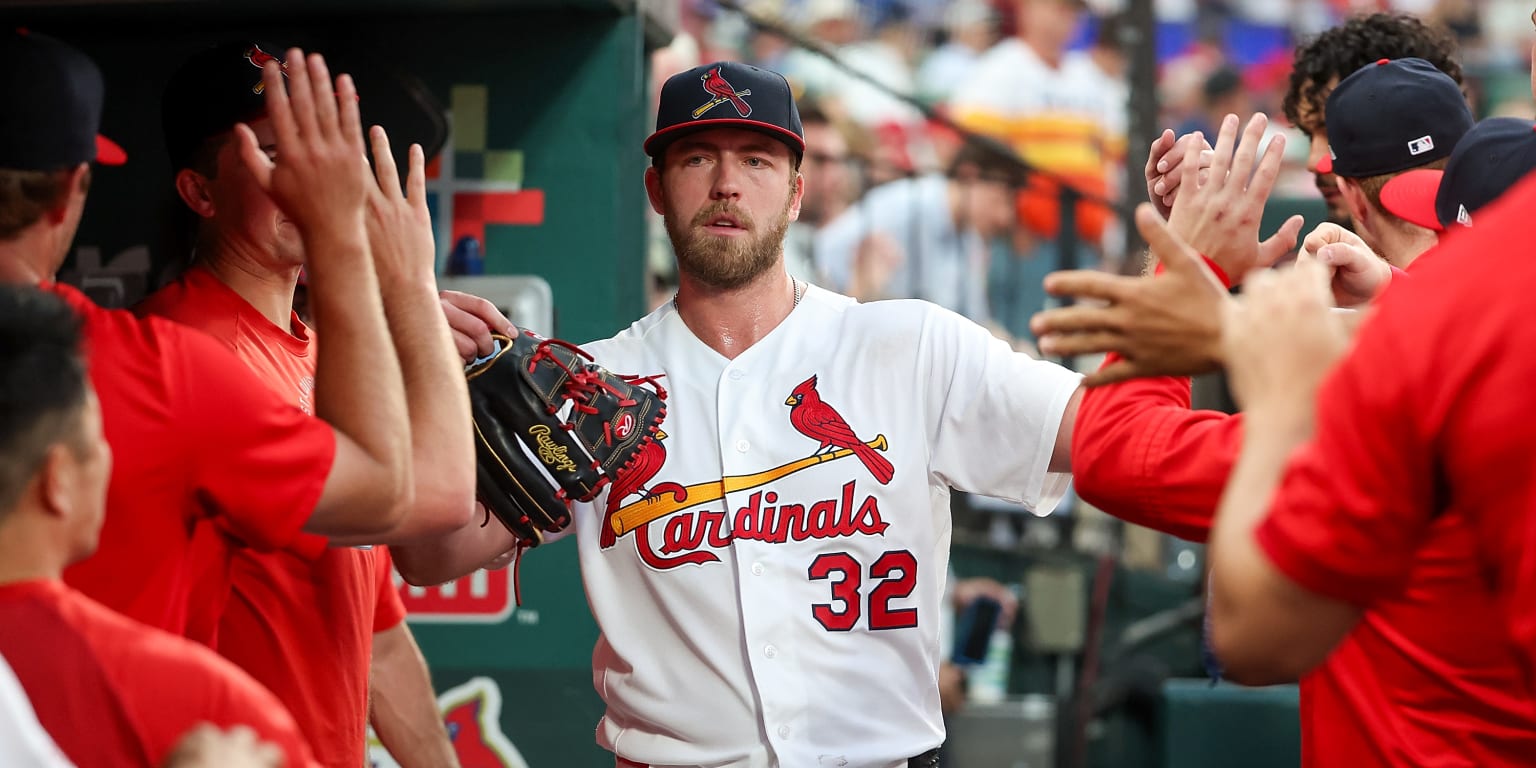
The Cardinals turned Sunday's series finale into a statement through deliberate roster construction. Manager Oliver Marmol loaded the lineup with right-handed bats to exploit Cubs left-hander Jordan Wicks, and the strategy worked before Wicks recorded his fifth out. Three consecutive hits to open the bottom of the first inning signaled the Cardinals weren't content to trade punches; they came to land them early. St. Louis scored three runs on Wicks in two-plus innings, then added two more off Ethan Roberts in the third on a two-run single from Masyn Winn. The 5-0 cushion arrived before most Cubs fans had finished their first inning beer.
What matters here isn't just the scoreline—it's the mechanism. Marmol's decision to recall Nelson Velázquez to left field and start José Fermín in center wasn't novelty; it was architectural. You don't suddenly load a lineup with specific handedness without confidence in the matchup math. The Cubs brought a pitcher (Wicks) who had shown vulnerability against righties, and the Cardinals exploited it systematically rather than hoping for luck. This is the kind of tactical clarity that historically precedes sustained offensive output, not a single-game explosion.
Matthew Liberatore, meanwhile, delivered exactly what you want from a starter anchoring a blowout: 5⅓ innings of clean baseball. His strikeout totals "came back to earth" per the typical narrative, but that's a misleading frame. In a game where the Cardinals had secured a five-run lead by the third inning, Liberatore's job wasn't to punch out ten; it was to eat innings and preserve the bullpen. He did that. Hunter Dobbins, a starter being pressed into relief, ate 11 outs and allowed just one run (a solo homer to Alex Bregman, which in a 5-1 game is forgettable). The Cardinals' pitching staff benefited immensely from the early offensive tsunami, which is exactly how blowouts are supposed to function.
For prop bettors, this performance surfaces a pattern worth monitoring: Cardinals offenses that face left-handed starters have historically punished fastball-heavy arsenals when the lineup skews right-handed-heavy. Wicks threw fastballs at 61% of the time last season and offered limited breaking-ball variety—a profile that gets shredded by a line designed explicitly to exploit it. The Cubs can't undo that matchup math in a three-game series, but if this Cardinals team continues to assault lefties with this kind of structural advantage, their team totals and individual run-prop lines against similar arms will drift upward. Watch whether Marmol deploys this exact alignment again; repeat usage signals institutional confidence in the approach, not a one-off tactical flex.
The bullpen relief, too, carries forward-looking weight. Pallante and Leahy combined for 7⅓ innings across the first two games—a grim haul. Dobbins' availability as a multi-inning bridge reliever gives Marmol more operational flexibility going forward, especially if the Cardinals can build early leads that take the pressure off the high-leverage arms. That depth improvement, married to an offense that can manufacture five runs before the fourth inning against the right pitcher profile, makes the Cardinals a live team for overs when they face left-handed starters without elite strikeout rates.