Yankees' Lagrange Flashes Triple-Digit Heat in First Professional Save—and the Pipeline Impact Matters
By PropBetEdge Editorial Team ·
A 23-year-old fireballer's dominant relief debut in Triple-A signals the Yankees' internal timeline for pitching depth is accelerating faster than public prospect rankings suggest.
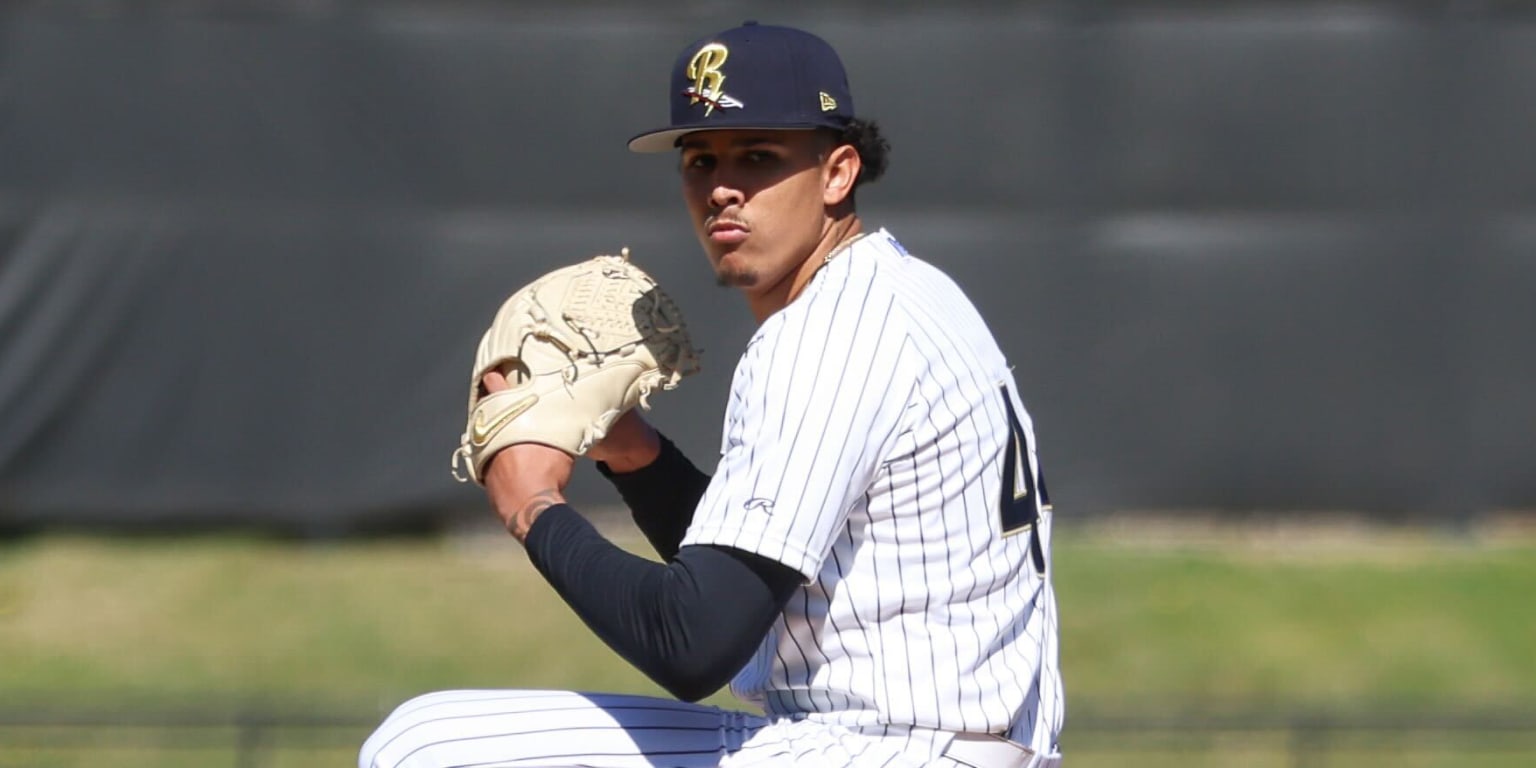
Carlos Lagrange earned his first professional save Thursday night, pitching two innings of relief for Scranton/Wilkes-Barre in a 6-4 win over Indianapolis, striking out two and allowing one hit on 22 pitches. The performance itself was clean—he entered with the bases loaded and two outs in the eighth, gave up one inherited run on a wild pitch, then locked down a perfect ninth with four strikeouts in five batters faced. But the underlying numbers carry more weight than the headline. Lagrange hit 101.5 mph twice and reached triple digits on six different pitches, a demonstration of the kind of high-velocity arsenal that Major League evaluators have been waiting to see translate cleanly to high-leverage innings.
The Yankees ranked Lagrange as their No. 4 prospect entering 2026, and MLB Pipeline slots him at 71st overall—a tier that normally sits years away from impact at the big-league level. Yet the organization has clearly accelerated his relief track. In six appearances since moving to the bullpen role, Lagrange has now worked multiple innings five times. His numbers through 13⅔ innings: 1.98 ERA, .188 batting average against, 19 strikeouts. That strikeout rate—nearly 13 per nine innings—is the kind of mark that gets attention in front offices. This week alone, he's posted two scoreless appearances, each one building operational confidence that he can handle back-to-back days and inherit difficult situations.
What matters for the betting lens is velocity consistency under pressure. Lagrange's ability to sit 101-plus for an entire appearance, especially in multiple-inning stretches and with bases-loaded stakes, removes one variable from his projection timeline. The Yankees aren't promoting him to the majors on a single save—they're likely evaluating whether he can be a high-leverage pen piece sooner than a traditional four-year development arc would suggest. If the team's internal modeling shows he can maintain that fastball velocity and strikeout rate in the majors, the bullpen depth picture shifts materially. It means the Yankees can either deploy Lagrange mid-season (assuming continued Triple-A dominance) or use his presence on the 40-man roster to trade from a position of organizational strength rather than desperation.
For bettors tracking Yankees relief pitching depth and roster construction, the angle is visibility into how management values late-inning leverage. If Lagrange appears in a major-league uniform by September—or if the Yankees trade from their bullpen depth at the deadline—you'll have watched the blueprint unfold here. The prop consequence is indirect but material: the more relief arms the Yankees trust internally, the more flexibility they have to target specific matchups in leverage situations. That flexibility typically correlates with lower bullpen ERA, which compounds into tighter spreads and more reliable team-total unders when the Yankees deploy their full arsenal. Watch the next three weeks of Lagrange's Triple-A workload. If he's pitching in back-to-back games and maintaining velocity into the 100-102 range, the Yankees are signaling that the pen is in a better place than the market assumes. That's a Yankees bullpen efficiency angle worth monitoring when futures and team-total props reset around the trade deadline.