Ky Bush's Two-Year Washout Ends White Sox Rotation Depth Hopes for 2026
By Erik Schwartz ·
A lat strain ends Bush's comeback attempt and confirms the White Sox will finish the season without a former top prospect who has now lost consecutive years to injury.
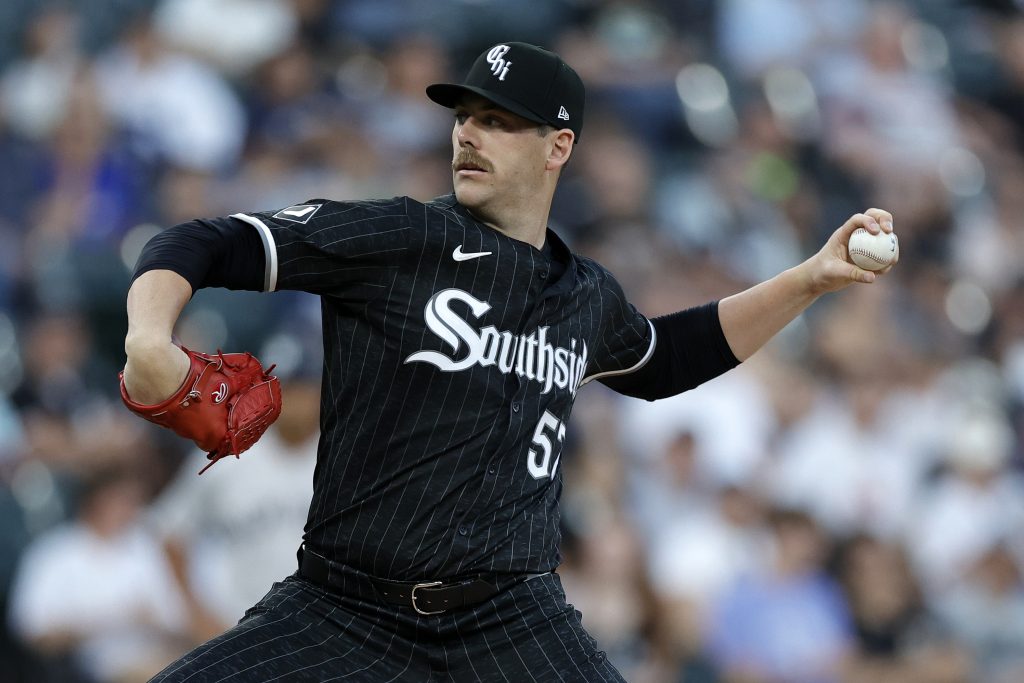
The White Sox have shut down left-hander Ky Bush due to a lat strain, removing any remaining possibility of his return before the season ends. Bush was already on the 60-day injured list and will remain there through the final out of the campaign. This marks the second consecutive year of complete organizational loss—a frame of reference that matters for understanding both his collapse as a prospect and what Chicago will need to do in the offseason.
Bush underwent Tommy John surgery in February 2025 and spent all of last season in recovery. The typical window for TJ rehab runs 14 months or longer, which meant a second-half 2026 appearance was theoretically feasible if his arm cooperated. He threw in summer training and showed enough progress that a late-season appearance remained on the table. The lat strain short-circuits that timeline entirely. This is now a two-year void in his development—a career pause that typically proves permanent for mid-tier prospects.
Context sharpens the sting. The Angels drafted Bush in the second round in 2021 and traded him to Chicago in the 2023 deadline deal that sent Lucas Giolito and Reynaldo López to Anaheim. Bush made his big league debut in 2024 and posted a 5.60 ERA over 17⅔ innings—rough, but not disqualifying for a young starter. His minor league work that same year was considerably better: 3.30 ERA across 106⅓ innings, with a 23.1% strikeout rate and 44.3% ground ball rate. The fastball profile and ground-ball induced contact pattern suggested a back-of-rotation starter with legitimate staying power. Two years of injury have erased that trajectory entirely.
From a White Sox rotation standpoint, this removes what was already a thin contingency plan. The team entered 2026 in a rebuild phase but still needed depth arms. Bush was not a franchise lynchpin, but he represented organizational continuity and potential upside—the kind of low-cost, on-roster development bet that contending teams depend on during injury seasons. His absence this year costs Chicago institutional knowledge and forces deeper reliance on call-ups and waiver wire additions down the stretch. For bettors tracking Chicago's pitching matchups, this confirms the organization will run younger, less reliable arms as September games tighten. Team total unders on White Sox games gain a small mechanical edge when the rotation is stretched thin and forced to deploy unfamiliar names.
Bush still has two option seasons remaining and will remain a 40-man roster fixture through the offseason, collecting service time and salary despite two years of injury. The White Sox and Bush alike are banking on 2027 to deliver the reset both need. Whether a reliever role or a return to the rotation, his workload will almost certainly be managed in a way that reflects the extended absence. For now, the organization is simply hoping the lat strain doesn't compound into something worse during the offseason—a floor-level expectation after two consecutive lost years.