Kremer's Return Reshapes Orioles Rotation Ahead of Buyout Window
By Ty Whitney ·
Baltimore's ace returns from a 10-week injury layoff to stabilize a pitching staff that carried the team through June—and the timing could unlock deadline aggression.
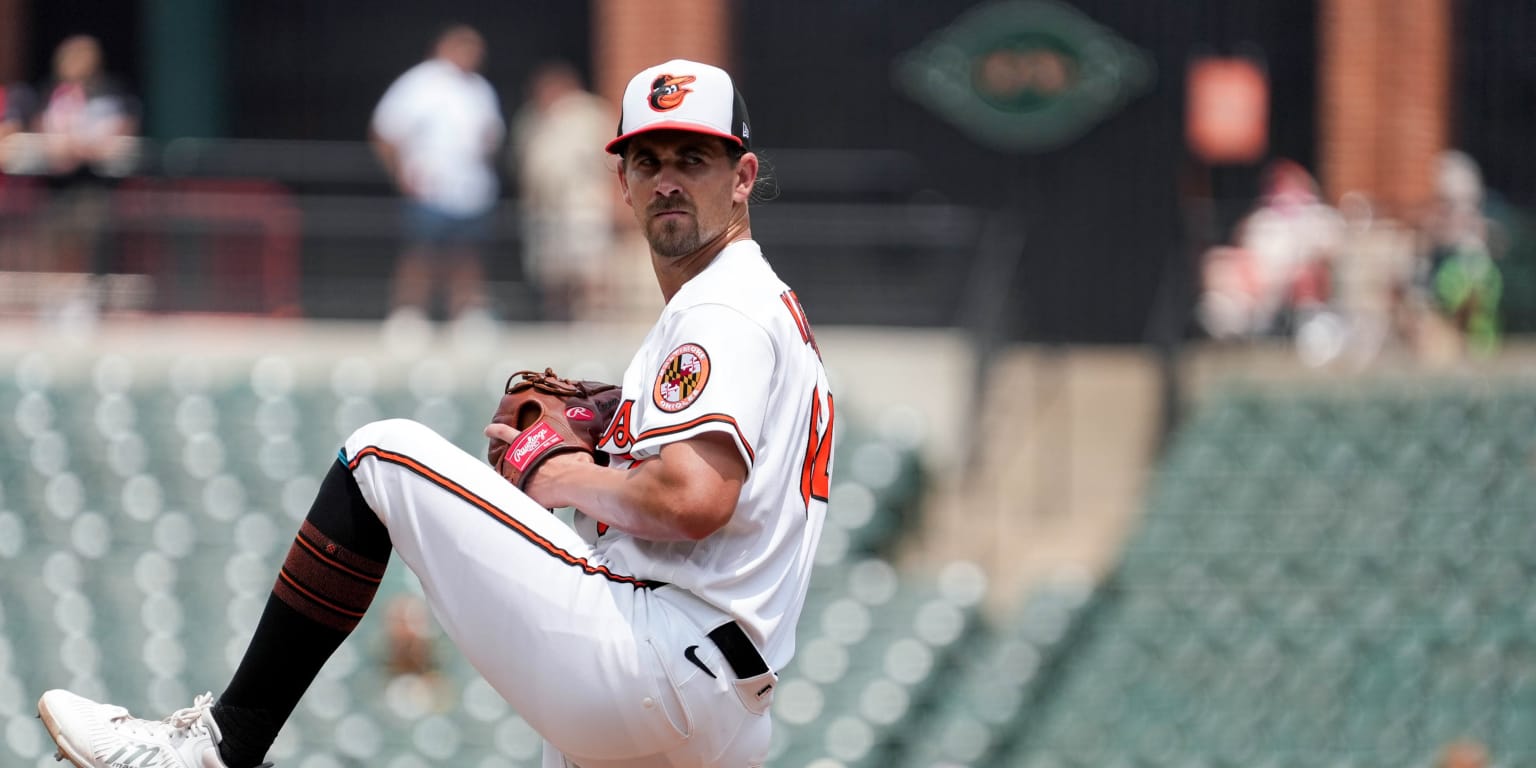
Dean Kremer took the mound Wednesday for the first time since April 20, and the Orioles got exactly what they needed: six innings of one-run baseball to snap a four-game skid and beat the White Sox 6-1. The 30-year-old right-hander allowed four hits and a walk on 79 pitches, striking his rhythm after surrendering a leadoff homer to Sam Antonacci. He retired 11 straight batters before surrendering Braden Montgomery's two-out double in the fourth, a performance that signals full health after a quad strain forced him onto the injured list over two months ago.
Context matters here. Baltimore's rotation weathered June without Kremer through a mix of competence and depth. Trevor Rogers posted a 2.05 ERA across five starts; Brandon Young matched that standard with a 2.76 ERA in five outings. Kyle Bradish showed flashes—including back-to-back gems on June 17 and June 22 with a combined 15 2/3 scoreless innings—while Shane Baz delivered a 3.68 ERA over six turns. That's a rotation that kept the Orioles competitive despite falling to nine games below .500 on Tuesday. But it was a rotation minus Kremer, a seven-year veteran who led Baltimore with 171 2/3 innings pitched in 2025. His workload last season wasn't overhead—it was the spine of the staff.
The Orioles' front office is watching the calendar. President of baseball operations Mike Elias signaled over the weekend that Baltimore intends to operate as a buyer ahead of the August 3 trade deadline, contingent on trending upward in July. Wednesday's victory—fueled by Tyler O'Neill's first home run since May 16 and Adley Rutschman's go-ahead single—hands the rotation a fresh anchor exactly when the team needs momentum to justify deadline spending. Kremer's return doesn't erase a 40-48 record, but it removes a justification for caution. When front offices evaluate whether to trade for starting depth, a staff suddenly anchored by a pitcher of Kremer's pedigree (with health verified over at least one major-league outing) shifts the calculus.
For bettors, Kremer's immediate impact centers on Orioles team total volatility. Baltimore's run production remains volatile—O'Neill's drought ended; Rutschman delivered clutch contact—but the pitching ceiling just moved up. Over his next three starts, expect to see team totals tighten around a higher baseline, assuming Kremer sustains this re-entry performance and doesn't require another IL stint. The edge isn't a single game; it's the recognition that a 40-win team with a full rotation plays with a different risk profile than one operating short-handed. Books will adjust Orioles team totals upward, but the adjustment will lag Kremer's first few starts because one outing rarely moves Vegas decisively. The real angle: avoid fading Orioles team totals in games where Kremer is pitching, and target them slightly under the initial opener in games where his return is already baked in but his durability hasn't yet been stress-tested.